
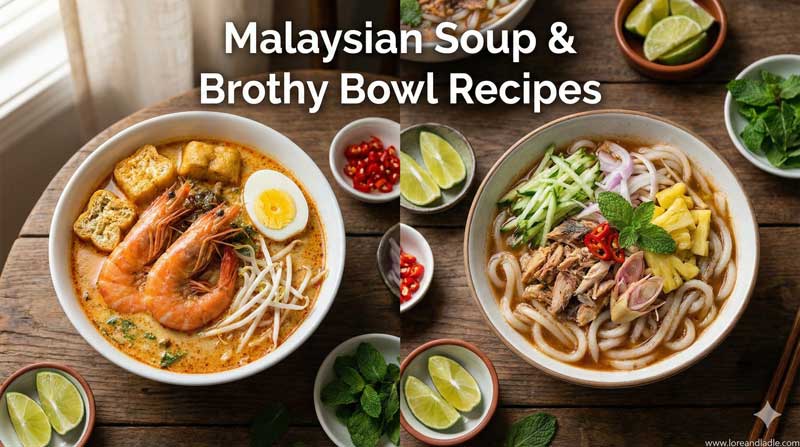
Seafood Tom Yum-Inspired Soup That’s Winning Over Foodies Across the U.S. is more than a dish. It is a reflection of shared tastes, regional harvests, and a restaurant-to-home cooking tradition that celebrates freshness, aroma, and balance. This post invites you to explore its cultural value and culinary significance, with a thoughtful lens on how the soup has grown from a regional favorite into a nationwide favorite.
A Quick Portrait of a National Favorite
This soup arrives at the table with a bright aroma and a welcoming glow. It embodies a spirit of accessibility and craft. Chefs from coast to coast honor the same core idea: a broth built from bright aromatics, clean seafood, and a fearless balance of flavors. It invites conversation about technique, ingredient sourcing, and the joy of sharing a steaming bowl. In kitchens across the U.S., the dish acts as a cultural signal that good cooking can be both comforting and adventurous. The result is a dish that feels familiar yet exciting, a bridge between home kitchen rituals and restaurant creativity.
Aromatics as Cultural Language
At the heart of this soup are aromatics that carry cultural memory. Lemongrass, galangal, and kaffir lime leaves release citrusy, peppery notes that feel both tropical and anchored in tradition. Garlic and shallots deepen the base, while fresh chilies deliver a clean, bright heat. These elements speak a language of balance that many culinary cultures recognize: aroma guides flavor, and scent invites taste before the first sip. The careful simmering of the broth preserves this language, allowing each herb to contribute without overpowering the others. When a bowl arrives with its fragrant steam, diners experience a sensory storytelling of technique, heritage, and care. The result is a culinary dialogue that travels well—from street stalls to refined dining rooms—without losing its core character.
The Seafood Mosaic: Local Waters, Global Inspiration
Seafood is a central cultural cue in this soup. Shrimp, scallops, and mussels appear as a chorus, offering tenderness and a clean bite that complements the tangy broth. The choice of seafood often mirrors what is fresh and sustainable in a given region, supporting local fishermen, markets, and seasonal menus. This flexibility is part of its cultural value: the dish adapts to place while keeping a recognizable voice. Across the United States, this dish invites cooks to celebrate regional seafood abundance and to honor global culinary inspiration at the same time. In this way, the soup becomes a living map of a nation’s diverse produce and urban markets, all harmonized in a single bowl.
The Flavor Triad: Sour, Spicy, and Umami
Tom Yum-inspired cooking centers on a precise flavor triad. The sour note—tart lime or a tangy citrus—clears the palate and brightens the seafood. The heat, delivered by chilies, awakens the senses and invites repeated tasting. Umami anchors the broth with a savory depth that makes the dish satisfying. Salt from fish sauce subtly rounds the edge, enhancing the brightness rather than masking it. This balance is more than technique; it is a philosophy of how flavors should interact in a shared meal. The way sour, heat, and savoring come together in this soup is a reflection of culinary values that many cultures prize: clarity of taste, playfulness with heat, and a finish that makes you want another bite.
Craft and Presentation: Techniques That Speak to Care
The craft of this soup rests on a few reliable techniques. A clear, aromatic broth is built first, then seafood is added so it stays tender. Fresh herbs and a final squeeze of lime wake the dish at the last moment. The presentation—bright broth, vibrant seafood, and a few herb leaves on top—communicates an emotional warmth. Chefs emphasize balance in texture as well: the crispness of fresh herbs against the tenderness of seafood, the slight bite of chili against the soft mouthfeel of the broth. This careful handling of ingredients is a cultural statement about respect for the food and the dining moment. It shows that cooking can be both precise and generous, a hallmark of thoughtful culinary practice.
A Modern American Narrative in a Bowl
Across the United States, chefs tell a modern American culinary story by reimagining this soup. They maintain the essence of tom yum while weaving in local produce, regional seafood, and contemporary presentation. The dish becomes a canvas for seasonal ingredients, sustainable sourcing, and inventive garnishes that reflect local taste cultures. This ongoing evolution demonstrates how a traditional flavor profile can adapt to new locales while preserving its core identity. The result is a heat-and-sour-tang balance that speaks to a broad audience, inviting both longtime fans of Thai-inspired cuisine and curious newcomers to discover a shared culinary language. In short, the soup acts as a bridge—honoring a specific flavor family while celebrating regional diversity in American kitchens.
Food as Culture: Shared Tables and Rituals
This dish thrives where people gather: tables at Home, neighborhood eateries, and celebratory meals. It becomes part of our shared table rituals—whether it is a weeknight bowl to lift the spirits or a dish chosen for a lively weekend gathering. The aromatic steam and the act of slurping broth are small rituals that build memory and connection. The soup’s cultural value lies in its ability to bring people together, to invite conversation about where ingredients come from, how they’re prepared, and why the flavors work so well together. By showcasing a refined yet approachable approach to Southeast Asian flavor, the dish invites appreciation for culinary cross-pollination and the joy of cooking with care.
How to Experience It at Home: Tips for Honor and Joy
To honor the dish’s cultural value at home, start with fresh ingredients and patience in the broth. Use lemongrass, galangal, and lime leaves if you can, and let the aromatics bloom gently. Choose seafood that is sustainably sourced and in season for your region. Keep the heat controlled to allow the brightness of lime and herbs to shine through. Experiment with garnishes like fresh herbs, a drizzle of lime juice, or a light sprinkle of chopped chili for a personal touch—always with respect for the balance that defines tom yum-inspired cooking. Serve with jasmine rice or a crusty loaf to extend the meal and encourage communal savoring. By cooking with intention and curiosity, you support a cultural exchange that is enriching for both cook and diner.
In closing, Seafood Tom Yum-Inspired Soup That’s Winning Over Foodies Across the U.S. stands as a meaningful signal of culinary collaboration and cultural appreciation. It honors a tradition of aromatic precision, regional adaptability, and shared joy at the table. This dish invites everyone to taste the harmony of brightness, heat, and savor, to celebrate local seafood, and to enjoy a bowl that speaks to the beauty of cooking as a communal and creative act.