
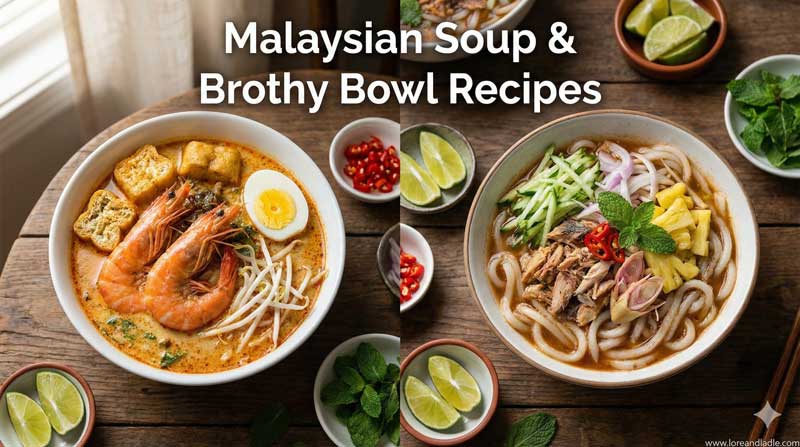
From Malaysia to America: A Home Cook’s Guide to Seafood Tom Yum-Inspired Soup
This dish celebrates the ease of home cooking and the joy of sharing with loved ones. Seafood Tom Yum-inspired soup offers a bright, aromatic experience that travels well from a Malaysian kitchen to American tables. The dish stands as a cultural beacon of flavor, technique, and hospitality. It invites cooks to honor traditional aromatics while adapting to local markets and personal tastes. In short, it is a celebration of how a single pot can carry memory, craft, and community.
The bright core: aroma, balance, and technique
At the heart of this soup lies a careful balance. Fresh herbs and citrus lift the broth, while heat and salt give depth. First, aromatic ingredients awaken the senses. Lemongrass, galangal, and kaffir lime leaves create a vivid, citrusy foundation. Next, chiles provide a warm glow that signals warmth without overwhelming brightness. Then, a touch of fish sauce adds a savory backbone, complemented by lime juice for a crisp finish. The seafood—shrimp, scallops, or white fish—brings sweetness and texture, while mushrooms add earthiness.
To honor the aroma, many cooks simmer the aromatics gently before adding liquid. This step releases essential oils and perfumes the kitchen. After the broth forms, seafood is added gently toward the end. This preserves delicate textures and preserves the fresh, briny character of the seafood. Finally, the finish is bright and clean: a squeeze of lime and a handful of fresh herbs. The result is a soup that feels quick and vibrant, yet deeply rooted in a tradition of careful seasoning and balance.
Ingredients as cultural signals
Each ingredient speaks to a larger story about taste and place. Lemongrass and galangal carry the sunlit brightness found in Southeast Asian markets. Kaffir lime leaves or lime zest whisper citrus complexity. Bird’s-eye chiles offer a precise kick, which diners can tailor to their heat tolerance. The fish sauce contributes a mineral savor that anchors the soup in its coastal heritage. Fresh seafood reflects the bounty of the water and the skill of the cook in selecting the best catch for the day. Mushrooms add a mellow counterpoint and a textural contrast.
In Malaysia, markets often showcase herbs like daun kesum or Vietnamese cilantro, which can lend distinctive peppery or herbal notes. In American kitchens, cooks frequently adapt by selecting seafood that is readily available, perhaps adding a splash of coconut milk for a richer mouthfeel or balancing with a light stock to preserve brightness. Across both settings, the recipe becomes a living map of local markets, seasonal produce, and personal preference. The result is a soup that feels both regional and recognizable, a familiar bowl that still sings with regional nuance.
Techniques that honor tradition while inviting home cooks
This dish invites careful technique without becoming rigid. Begin by preparing the aromatics. Bruise the lemongrass to release its oils, slice galangal into thin coins, and gently tear kaffir lime leaves to awaken their oils. Then, simmer these aromatics in a hot pot with a little oil or broth to perfume the space. This step anchors the soup in a traditional flavor profile.
Next, add the liquid and seasonings. A clear broth provides a lively canvas for the aromatic notes. If you prefer a creamier texture, a small amount of coconut milk can be stirred in, which changes the balance toward a richer finish while still highlighting the herbal notes. Introduce seafood toward the end of cooking to protect tenderness; this keeps the fish sweet and prevents overcooking. Finally, taste and adjust with lime juice and fish sauce. The goal is a bright, balanced bowl where sour, salty, and fragrant elements coexist in harmony.
Home Cooks can adapt with confidence. If a market is short on kaffir lime leaves, lime zest brightens the aroma. If shrimp are scarce, firm white fish or scallops work well. If the chillies must be toned down, reduce them or substitute milder peppers. The flexibility honors traditional flavor profiles while welcoming modern pantry realities. In this way, technique becomes a bridge between heritage and everyday cooking.
Serving, memory, and community around the bowl
The way this soup is served can deepen a sense of welcome. A simple bowl, warmed by a steady flame, invites lingering conversation. A side of jasmine rice or crusty bread helps transfer the broth’s brightness into a comforting meal. Fresh herbs—cilantro or Thai basil—offer a final aroma note that resonates with both Southeast Asian and broader kitchen traditions. A wedge of lime at the table invites personal brightness and a playful, shared ritual.
Culturally, the dish represents hospitality: a steaming bowl placed at the center of the table, inviting others to savor the fragrance before tasting. The act of gathering around the soup creates a social space for conversation, stories, and the joy of cooking together. The dish thus functions as a small ceremony—simple, gracious, and deeply satisfying.
A simple home practice to celebrate the dish
For home cooks seeking to honor the dish, try a relaxed, mindful approach. Start with a gentle stock of water or light broth, then introduce the aromatics to perfume the kitchen. Add the seafood last, keeping a close eye on texture. Finish with lime juice and a final sprinkle of fresh herbs. Serve with small bowls that invite a shared, unhurried meal.
Pair the soup with a light accompaniment, such as steamed rice, and offer subtle garnishes—cilantro, a thin slice of chile, and a lime wedge. This approach keeps the focus on aroma, flavor, and balance. It also makes the dish accessible to cooks at various skill levels, encouraging experimentation while preserving the essence of the tradition.
Closing reflection: the journey of flavor
Seafood Tom Yum-inspired soup travels gracefully from Malaysian kitchens into American homes. Its value lies in the way it combines bright aromatics, precise heat, and clean seafood flavors into a single bowl. The dish speaks to the beauty of shared cooking, the craft of layering flavors, and the warmth of hospitality. Whether prepared for a family weeknight dinner or a weekend gathering, this soup offers a marketplace of textures and scents that celebrate culinary heritage without losing modern relevance. In this way, the dish stands as a vivid reminder that good food is a universal language—rich, welcoming, and endlessly adaptable.