
Introduction
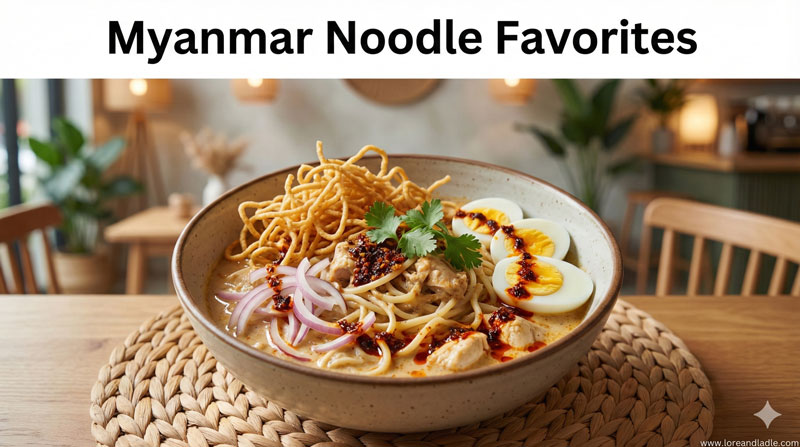
Myanmar noodle favorites invite you to a table where quick weeknight meals meet timeless flavor. These bowls honor everyday life, family routines, and the small rituals that make dinner special. Bright herbs, warm broths, and tender noodles come together with a gentle spice that warms the senses. By serving these noodles at Home, you join a long line of cooks who celebrate simplicity, balance, and care. This post explores the cultural value and culinary significance behind serving Myanmar noodle favorites for weeknight dinners. It also offers practical ways to bring those flavors to your kitchen with ease and grace.
What makes Myanmar noodle favorites sing
Myanmar noodle dishes are built on balance. They harmonize broth, noodles, herbs, and toppings so each bite feels complete. Fresh herbs like cilantro and mint add color and lift, while lime or tamarind provides a bright counterpoint to savory depths. The texture mix—slippery noodles, crisp vegetables, and silken broths—creates a satisfying sensory rhythm. These bowls are designed for shared meals, where everyone adds their own finishing touches. In daily life, the act of assembling the bowl mirrors the care families bring to meals. That inclusive, hands-on approach is a key part of their cultural appeal.
Core ingredients and techniques
A few ingredients do the heavy lifting in Myanmar noodle favorites. Rice noodles provide a tender, translucent base. A fragrant broth forms the heart, often built from stock, fish sauce, onions, garlic, and a touch of spice. Fresh herbs, lime juice, and chili oil brighten the dish just before serving. Pickled greens or shredded cabbage offer crisp contrast. For texture and depth, small toppings like fried shallots or roasted peanuts may appear. Technique matters too: blanch noodles briefly for al dente bite, simmer broth to develop aroma, and add herbs at the end to preserve their brightness. The result is a bowl that feels both comforting and thoughtfully assembled.
Weeknight serving: quick builds and assembly
For weeknights, you can streamline without losing character. First, prepare a pot of broth or stock early in the day or the night before. Next, cook a batch of rice noodles until just tender and drain well. Then, set out quick toppings: sliced herbs, lime wedges, chili oil, and crunchy vegetables. When it’s time to eat, ladle hot broth over the noodles, add toppings, and finish with a squeeze of lime. An efficient two-pot method helps too: simmer the broth in one pot while you sauté a few greens in a second. If you like, keep a small jar of chili oil ready for a quick, personalized kick. The result is a weeknight noodle bowl that feels special but comes together with calm, clear steps.
Flavor profiles and pairing ideas
These noodle bowls shine in balance. The savory depth of the broth pairs beautifully with tangy lime and fresh herbs. A light chili oil adds warmth without overpowering the dish. For sides, consider cucumber slices, soft steamed greens, or sesame-strewn greens to complement the bowl. A cooling yogurt or a bright pickle can provide a refreshing contrast if you enjoy variety. Pair these noodles with a simple tea or a lightly sparkling drink to cleanse the palate between bites. By focusing on harmony, you enable every element to contribute to a cohesive meal.
Regional influences and variations
Myanmar’s noodle culture reflects regional tastes and seasonal ingredients. In coastal areas, coconut milk and seafood notes may feature more prominently. Inland regions often highlight clearer broths and herbal brightness from fresh greens. Grains and noodles vary by market offerings, so flexible substitutions keep the dish lively. You can tailor toppings to local produce while staying rooted in the same comforting framework. The beauty lies in how a common technique adapts to place, season, and preference.
Make-ahead tips and storage for weeknights
Plan ahead with simple prep that saves time. Cook the stock or broth in advance and refrigerate, then reheat gently. Soak or rinse noodles just before serving to maintain texture. Pre-cut vegetables and herbs can be stored in the fridge for quick assembly. Keep a small jar of fresh lime juice and a bottle of light oil-based dressing to finish bowls fast. If you enjoy crunch, toast nuts or seeds ahead of time. With a few small steps, you can have a vibrant Myanmar noodle bowl ready in minutes on busy weeknights.
Cultural value: table care, memory, and community
Beyond taste, these noodles carry a sense of place and daily life. They honor careful preparation, shared eating, and seasonal rhythms. The act of gathering bowls, offering toppings, and sharing warmth reinforces family ties and neighborhood bonds. In markets and homes, the noodle ritual reflects a culture that values balance, generosity, and attentiveness to detail. By preparing and serving these dishes, you participate in a timeless practice of nourishment and welcome. This is the heart of Myanmar noodle favorites on weeknights: a meal that honors both the cook and the guest.
Conclusion
Myanmar noodle favorites are more than a quick dinner; they are a doorway to culture and care. With simple, fresh ingredients and thoughtful technique, you create a bowl that feels both comforting and meaningful. The dish celebrates balance, community, and everyday beauty in food. As you serve these noodles for weeknight dinners, you invite familiarity, warmth, and a sense of place to your table. Enjoy the aroma, the textures, and the shared moments that make every meal a small celebration of culture.