
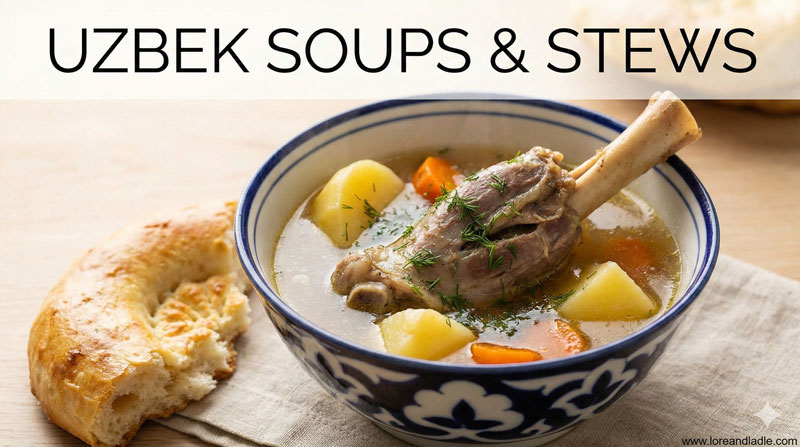
Introduction: Authentic Shurpa – Uzbekistani Soups & Stews Flavor You’ll Love
Authentic Shurpa is more than a dish. It Is a warm invitation to Uzbek hospitality and a treasured part of everyday life. This soup carries the rhythm of family meals, market strolls, and shared tables. You’ll taste clear, comforting broth, tender meat, and vegetables that sing with seasonality. In this post, we explore the cultural value and culinary significance of Shurpa, a centerpiece that brings people together around a simmering pot and a loaf of flatbread.
The heart of Shurpa: flavor that speaks of place
Shurpa begins with a simple truth: a perfectly clear, slowly simmered broth. Lamb or beef provides depth, while bones add body and a touch of sweetness. The broth is enriched by vegetables that complement the meat—onions for sweetness, carrots for color and sweetness, and sometimes potatoes for heartiness. Fresh herbs and spices lift the aroma without overpowering the core flavors. Each ingredient plays a role, and the result is a soup that feels both humble and celebratory. This balance is a hallmark of Uzbek cooking, where clarity of flavor invites you to taste every element.
Core ingredients: simple foods, profound flavor
The family of ingredients in Shurpa is intentionally simple. Meat is the star, cut into sizable chunks so it remains juicy as it softens. Carrots and onions provide sweetness and savoriness. Potatoes or peppers may appear in many regional styles, adding texture. Tomatoes, if used, brighten the stock and unite the vegetables. Spices are carefully measured: a pinch of cumin or coriander seeds, a few peppercorns, and a handful of fresh herbs at the end. The result is a broth that feels bright, steady, and deeply comforting, a true reflection of everyday Uzbek cooking.
The craft: how Authentic Shurpa is made
First, brown the meat to develop depth. Next, cover with cold water and skim the foam to keep the broth clear. Then, add onions, carrots, and any longer-cooking vegetables. Simmer slowly, letting flavors mingle and the meat become tender. Finally, season gently and finish with fresh herbs just before serving. This method rewards patience; the longer the simmer, the more the flavors blend into one elegant, readable broth. Each step shows care for technique and respect for the ingredients.
Cultural significance: meals that celebrate warmth and welcome
Shurpa embodies hospitality. In Uzbek homes, a pot of Shurpa often signals a gathering, a chance to share and connect. The dish supports conversation, storytelling, and mutual care around the table. It is versatile enough for everyday meals and special occasions alike, yet it remains deeply rooted in daily life. Serving Shurpa with attention to warmth and company reinforces a sense of belonging and communal harmony. The broth invites guests to linger, to savor, and to appreciate the moment together.
Regional variations: a dish that travels with nuance
Across Uzbekistan, Shurpa adapts to local tastes and harvests. In some regions, tomato and pepper contribute tang and brightness, while in others the soup leans toward a purer meat-forward profile. Potatoes might appear in inland areas for heartiness, and herbs such as dill or parsley add final freshness. These variations honor local farms and seasons, while preserving the core of Shurpa: a clear, comforting broth with tender meat and approachable vegetables. The regional touches celebrate culinary diversity within a shared tradition.
Serving traditions: how Shurpa graces the table
Shurpa is typically served hot in sturdy bowls, with flatbread on the side. A spoon of chopped fresh herbs or a squeeze of lemon can brighten the broth just before tasting. After the first slurp, many guests savor the meat and vegetables in turn, making the meal a small ritual of shared enjoyment. The bread acts as a natural accompaniment, perfect for dipping and sopping up the last golden drops of broth. These serving traditions emphasize generosity, patience, and the joy of slowing down to eat together.
Pairings and aromatics: enhancing the experience
Fresh herbs—dill, cilantro, or parsley—offer a fragrant, peppery lift that brightens the soup. Ground cumin or coriander seeds add a gentle warmth that lingers on the palate. A touch of chili oil or red pepper flakes can provide a desired kick for those who favor heat. Aromatics like garlic or a bay leaf may appear in some versions, but the goal remains to keep the broth clean and accessible. Pair Shurpa with a crisp cucumber salad or simple pickles to balance richness and texture.
A practical guide: tips for sourcing and freshness
To capture authentic Shurpa, seek fresh, quality meat with good marbling. Lamb is traditional, but beef can stand in well if it’s tender and well-marbled. Choose onions and carrots that feel firm and vibrant. Fresh herbs finish the dish with fragrance. If possible, cook with seasonal produce; it enhances flavor and brings color. Finally, a good stockpot and a patient simmer will reward you with a broth that tastes like home.
Conclusion: a timeless expression of Uzbek cuisine
Authentic Shurpa embodies the beauty of Uzbek cuisine: clear technique, warm hospitality, and a connection to season and family. This dish shows how simple ingredients can become a meaningful ritual when prepared with care. It invites you to slow down, listen to the simmer, and share a comforting bowl with others. If you seek a soup that carries culture, flavor, and welcome, Shurpa is a timeless choice you’ll love to revisit again and again.