
The Hook
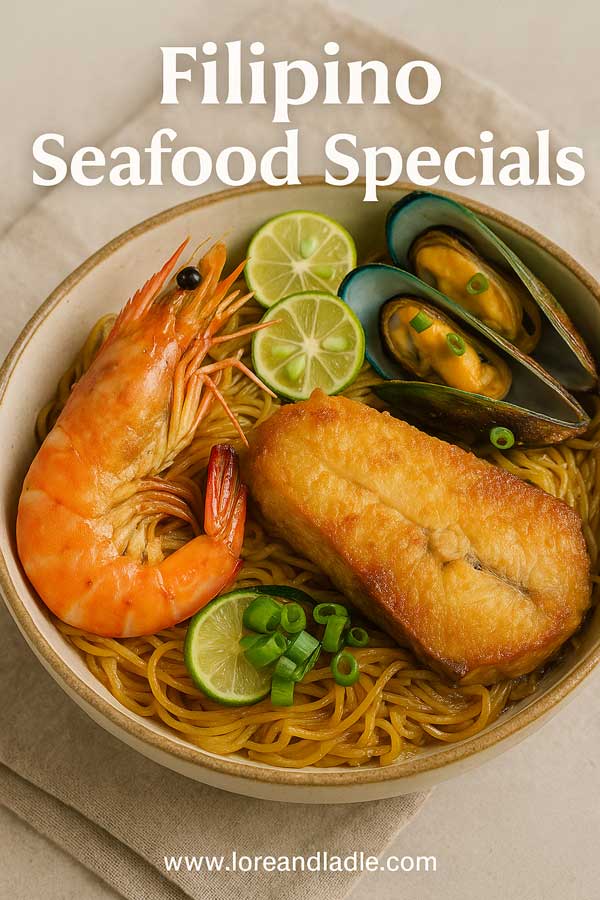
On a quiet weekday evening in a U.S. kitchen, the oven hums softly and the air carries a bright citrus note. A fillet of milkfish rests on a dish, its skin gleaming under the kitchen light. Simple Filipino Baked Bangus Recipe for U.S. home cooks for comfort food cravings sits at the center, inviting a calm, familiar kind of cooking. The scene feels simple: wash, pat dry, season, and let the flavors mingle while rice waits nearby. Garlic, onion, and a squeeze of calamansi wake the fish, and a gentle bake turns the meat tender and fragrant. It’s the kind of meal that makes a house feel warm and steady, a small ritual that travels well from one kitchen to another.
Jump to Recipe
- What you’re making: a baked milkfish dish that balances bright citrus with gentle garlic and onion notes.
- Key flavors: citrus tang, savory aromatics, light salt and pepper, and a touch of oil for a glossy finish.
- Texture to expect: tender, flaky fish with a soft, slightly caramelized edge from baking.
- How it’s usually enjoyed: with steamed rice, a simple green side, and maybe a fresh tomato-onion salad.
- The approach in brief: a light marinade or rub, a bed of aromatics, a gentle bake, and a clean, comforting finish.
Simple Filipino Baked Bangus Recipe for U.S. home cooks for comfort food cravings is typically explained in plain terms, so you can picture the method without getting lost in details. It’s straightforward, friendly to beginners, and easy to adapt with what you have on hand.
The Deep Dive
Simple Filipino Baked Bangus Recipe for U.S. home cooks for comfort food cravings sits at the heart of everyday cooking in many Filipino households. Milkfish, or bangus, has a mild flavor that invites a gentle handshake with bright citrus and savory aromatics. The fillet or whole fish yields a delicate, yielding texture when baked, and the skin adds a subtle richness that carries the dish from stove to table.
Flavors dance in a simple balance. The citrus — calamansi, lime, or lemon — lifts the meat without overpowering it. Garlic provides a soft, warming note, while onions bring sweetness and depth. Tomatoes can add a gentle acidity and a pop of color, and a little oil helps create a light glaze that keeps the fish moist as it bakes. Salt and pepper anchor the dish, letting the natural sweetness of the fish shine through. in the kitchen, you often hear the quiet sizzle of the aromatics, followed by the gentle aroma of baked fish that signals a comforting meal in progress.
Texture is a key character here. The meat stays moist and tender, with a slight flake that yields to a fork. The edges along the skin may pick up a touch of color, adding a subtle crispness that contrasts with the tender flesh. This combination is part of the dish’s charm: simple yet satisfying, familiar yet new enough to feel special.
Culturally, the dish fits into the broad, everyday world of Filipino home cooking, where rice anchors the meal and vegetables provide balance. It’s common to serve this with a crisp cucumber salad or a quick tomato-onion relish, letting each bite offer a little brightness. The dish is friendly to family meals, casual gatherings, and weeknight dinners alike. People enjoy it in different settings: a cozy kitchen, a sunny table outdoors, or a shared feast with neighbors and friends. There is a quiet tradition of hospitality around fish in many households, where a plate shared among loved ones becomes part of daily life rather than a formal event.
This dish also travels well in imagination. Simple Filipino Baked Bangus Recipe for U.S. home cooks for comfort food cravings evokes a sense of home and touchable memories: the way a grandmother taught the younger generation to trim the fish, the way a sibling peels a calamansi and squeezes a bright drop into the plate, the way a parent serves a generous scoop of rice to every person at the table. It’s non-political and non-controversial in tone, focusing on the warmth of shared meals, the textures of well-cooked fish, and the easy pleasure of comforting flavors after a long day. It’s a reminder that good food can be both simple and meaningful, a bridge between kitchens and a gentle way to celebrate everyday life.
The beauty of Simple Filipino Baked Bangus Recipe for U.S. home cooks for comfort food cravings lies in its adaptability. You can adjust the level of citrus, the amount of garlic, or the herbs to suit your family’s taste. A pinch of chili can add a soft heat for those who enjoy a little kick. Some households fold in sliced tomatoes to brighten the dish, while others prefer a clean, minimalist profile that foregrounds the fish’s natural flavor. Whatever the variation, the dish remains a quiet celebration of technique, balance, and home cooking that welcomes cooks of all levels.
The Recipe Card
Core ingredients:
– Bangus (milkfish), cleaned and prepared for baking (fillets or a whole fish)
– Garlic, finely chopped
– Onion, sliced
– Tomato, sliced or chopped (optional)
– Citrus juice (calamansi preferred; lemon or lime as a substitute)
– Salt and pepper
– Cooking oil or a light drizzle of butter
– Optional accents: soy sauce, sliced green onions or parsley, a pinch of chili for heat
High-level method:
– Lightly season the fish with salt and pepper and a splash of citrus juice to brighten the flavor.
– Arrange the fish on a baking dish with a bed of garlic, onion, and tomato slices for aroma and color.
– Drizzle a small amount of oil over the fish to help create a gentle glaze as it bakes.
– Bake or roast until the fish is cooked through and the flavors have melded, keeping the meat tender and flaky.
– Serve with steamed rice and a simple side or salad to complete the comfort-ready plate.
Simple Filipino Baked Bangus Recipe for U.S. home cooks for comfort food cravings invites you to celebrate straightforward cooking. It centers on a tender fish, bright citrus, and comforting aromatics, offered in a way that honors everyday meals and shared tables. If you’re looking for a dish that feels both familiar and slightly exotic, this is a warm, reliable choice to add to your weekly rotation.