
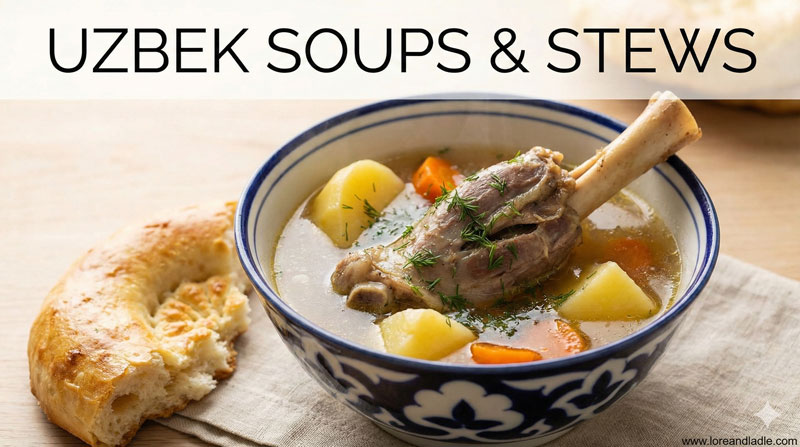
A Warm Welcome to Simple Non Bread – Uzbekistani Soups & Stews Flavor You’ll Love
This dish invites you into a table where care, craft, and culture mingle. Simple Non Bread is more than a side; it is a companion that elevates every bite of Uzbek soups and stews. The bread’s soft crumb and blistered crust carry the warmth of the clay oven, the rhythm of daily life, and the generosity of sharing a meal with family and friends. In Uzbek cuisine, meals often begin with bread as a greeting to the day. This particular bread celebrates that tradition with a straightforward elegance that lovers of food will appreciate.
What Non Represents in Uzbek Flavor and Culture
Non, the central bread of Uzbekistan, anchors many meals with its gentle aroma and familiar presence. It is made from simple ingredients—flour, water, salt, and a touch of leavening—yet the result speaks of place and time. The bread is baked in a clay oven called tonir, which gives a distinctive blistered surface and a moist, tender interior. Sesame seeds or nigella seeds often crown the top, adding a faint nutty note. The loaf is a quiet ambassador for nourishment, inviting the broth and vegetables of soups and stews to mingle with its own soft character. In this way, Simple Non Bread becomes part of a shared moment, not just a food item.
The Craft Behind the Crust
Caring hands and attentive timing shape this bread’s identity. The dough rests, then is divided and formed into round disks. The dough’s moisture, the touch of the baker, and the heat of the tonir create a crust that crackles gently at the edges while remaining lush within. Kneading develops gluten, giving the bread its springy bite, while resting ensures tenderness. When the bread emerges, steam rises and the surface glistens with a light sheen from the baking. This craft conveys respect for tradition and a desire to deliver a reliable, comforting texture with every bake. The result pairs beautifully with a variety of soups and stews because it holds its own when dipping without overwhelming the flavors.
Non and Uzbek Hospitality: A Gentle Tradition
Bread holds a special place in Uzbek homes. Sharing a loaf marks hospitality and warmth, inviting guests to linger at the table. Simple Non Bread embodies this spirit: it is easy to share, easy to savor, and versatile enough to accompany several courses. The moment of breaking bread together becomes a quiet ceremony—one that signals welcome, conversation, and the enjoyment of good food. This bread’s presence on the table helps set a mood of generosity and calm, making the meal feel complete. In many homes, the bread is placed near the main dishes so everyone can enjoy a fresh slice alongside steaming bowls of soup or hearty stews. The ritual is gentle, inclusive, and deeply rooted in everyday life.
Pairing with Uzbek Soups and Stews: A Harmonious Duo
Simple Non Bread shines when paired with soups and stews, especially those with rich broths and tender vegetables. The bread’s soft crumb soaks up flavorful liquids, yet it remains sturdy enough to hold its shape. When a bite includes a bit of meat or vegetable, the bread accentuates these notes with a subtle sweetness from the baked crust. In turn, the broths and stews gain depth as the bread offers texture and moisture balance. This pairing turns a bowl into a complete meal: the soup or stew supplies warmth and savor, while the bread supplies heartiness and comfort. The combination exemplifies how Uzbek cuisine teaches balance—between liquid and solid, between spice and sweetness, between everyday simplicity and culinary grace.
Regional Variations: Shape, Seeds, and Touches
Variations exist across regions, yet the essence remains the same. Some bakers shape Non into round disks; others make slightly oval forms. Top seeds can vary—sesame is common, sometimes nigella or a light sprinkle of salt adds a final touch. The crisper crust in hotter ovens contrasts with the softer interior, a contrast that many enjoy as the bread cools. These subtle differences celebrate local ovens, local grains, and personal family recipes, weaving a tapestry of flavor that still honors a universal Love for bread at the table.
A Cultural Palette: Color, Aroma, and Texture
The aroma of Simple Non Bread rises from the oven as a signal to gather. The crust offers a gentle crunch, while the interior remains tender and slightly springy. The pale tan color with speckled seeds is inviting, a visual cue of warmth and care. The aroma blends with the steam from a pot of shurpa or another Uzbek stew, creating a scent-scape that says home and tradition. Texture, aroma, and taste work together to make this bread a sensory anchor for a meal—one that invites you to slow down and enjoy the moment.
Practical Tips to Enjoy Simple Non Bread at Home
- Choose a simple flour blend with a touch of whole grain for a subtle nutty note.
- If you bake at Home, heat your clay oven or a very hot home oven to mimic the blistered crust.
- Sprinkle sesame seeds on top before baking for a fragrant finish.
- Serve warm, ideally the moment you’ve finished shaping the dish, to catch the fresh bread aroma at its peak.
- Store leftovers in a clean cloth or breathable bag to keep the crumb soft and approachable for dipping.
In Conclusion: A Living Tradition on Your Plate
Simple Non Bread – Uzbekistani Soups & Stews Flavor You’ll Love celebrates the quiet power of bread in daily life. It is a bridge between bowls and hands, between family and guests, between morning routines and evening meals. The bread’s craft, its shared nature, and its ability to complement hearty soups and stews speak to a culinary culture that values warmth, balance, and hospitality. By welcoming this bread into your kitchen, you invite an element of Uzbek food culture to your table—an invitation to savor, share, and remember why food is a universal language of care.