
Introduction
Simple Non Bread – Uzbekistani Dumplings & Noodle Plates Flavor You’ll Love invites readers into a kitchen where memory, texture, and teamwork come together. This dish is more than food; it is a small celebration of Uzbek culinary craft. Non bread, manty dumplings, and lagman noodles meet on one plate to tell a story of daily life, hospitality, and shared meals. You feel the warmth of a clay oven, the crackle of a fresh crust, and the simmer of a comforting broth. In this dish, bread acts as a stage for filling dumplings and savory noodles. Together they create a balanced, inviting experience that echoes the spirit of Uzbek dining. The flavors are clear, the textures appealing, and the approach accessible to cooks who want to honor tradition while cooking with modern ease. This article explores the cultural value and culinary significance behind Simple Non Bread, focusing on how non bread anchors meals, how manty and lagman reflect regional skill, and how hospitality shapes every bite.
The Core Trio: Non, Manty, and Lagman
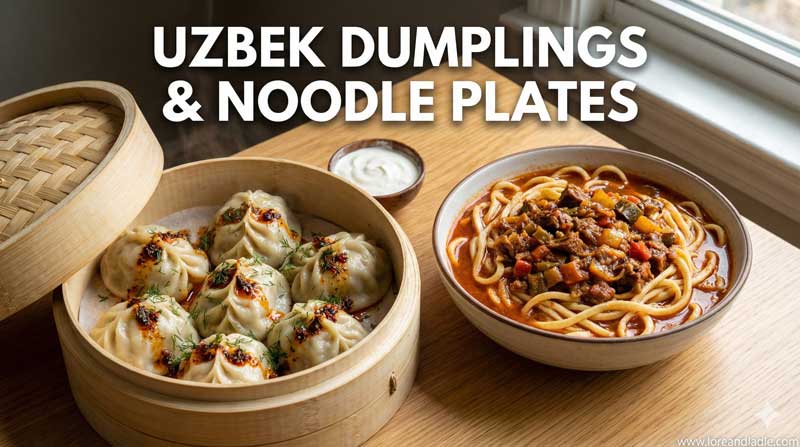
Non bread is a centerpiece in Uzbek meals. Baked in a tandir or open oven, it develops a crisp crust and a soft, steamy interior. Families use non to scoop, wrap, and dip. It absorbs slow-simmered sauces and hearty broths, tying the meal together with comforting continuity. Manty are delicate dumplings that carry seasoned meat, onions, and herbs. Their folds show care and precision, a small display of kitchen artistry. Lagman stands as a counterpoint with long, hand-cut noodles, vegetables, and a soulful broth or sauce. Each component—bread, dumplings, noodles—speaks a different technique: the bread shows bake and steam, the manty reveals folding and steaming, the lagman showcases hand-pulled or hand-cut noodle craftsmanship. Together they create a dialogue of textures and flavors that feel both rustic and refined. This trio demonstrates how Uzbek cuisine blends simple ingredients into a memorable whole.
Craft in the Kitchen: Techniques that Shape Flavor
The beauty of Simple Non Bread lies in its focused techniques. The non dough is simple: flour, water, salt, maybe a touch of oil. It is kneaded until smooth, rested, then rolled and baked. The result is a bread that carries texture as well as taste. Manty wrappers require a careful touch: thin sheets that hold filling yet steam without tearing. The shaping is a small craft, a ritual that travelers might watch and imitate with admiration. For lagman, the noodles are the thread that holds the dish together. They are sliced and prepared to a perfect bite, then simmered with vegetables, spices, and broth. Spices like cumin, coriander seeds, black pepper, and sometimes paprika lend warmth without overshadowing the main ingredients. The balance of bread, dumplings, and noodles depends on mindful timing: the bread should be fresh and sturdy, manty should be tender, and lagman should carry a flavorful, well-seasoned broth. The result is a cohesive meal where every element supports the others.
Flavor, Texture, and Balance: A Sensory Chorus
Think of the plate as a chorus of textures. The crust of non adds crisp bite, a satisfying contrast to the tender mantle of manty. The dumplings supply a rich, savory center that releases juices with every bite. Lagman noodles offer chew and a comforting body, especially when bathed in a broth that echoes herbs and roasted aromatics. The flavors are direct and inviting: a hint of sweetness from onions, fragrant notes from cumin and coriander, a gentle heat from peppers, and the earthiness of slow-cooked meat or vegetables. The textures dance together: the bread softens slightly against the steam, manty provide a delicate bite, and lagman supplies substantial sustenance. The overall effect is a comforting, well-rounded meal that remains bright and accessible to the palate. This balance is a hallmark of Uzbek food, where simplicity and depth meet in every bite.
Hospitality and Family at the Table
In Uzbek culture, food is a medium for hospitality and family connection. Non bread is often shared as a welcome gesture to guests; it sits at the center of the table as a symbol of generosity. Manty and lagman are dishes that invite group participation—pinching and tearing bread, dipping manty into sauce, lifting noodles with chopsticks or spoons. Meals like Simple Non Bread become a format for conversation, storytelling, and mutual care. The process of preparing manty and lagman can be collaborative, with family members sharing tasks—rolling dough, shaping dumplings, or adjusting the broth. This shared labor strengthens bonds and creates a sense of belonging. By focusing on the cultural value of hospitality, the dish becomes more than sustenance; it becomes a daily ritual that reinforces memory, community, and gratitude around the table.
From Market to Table: Cultural Significance in Everyday Life
This dish reflects Uzbek life in its practical choices. Non bread is a sturdy, everyday bread that travels well from market stalls to family kitchens. Manty echo regional flavors, with fillings that can vary by season or family tradition, while lagman represents the broader Central Asian skill of balancing vegetables, meat, and noodles in a single dish. The combination shows how cooks adapt local ingredients to timeless techniques, preserving flavor while remaining approachable. The cultural value here lies in consistency and generosity: a reliable meal that can be shared with neighbors, friends, and relatives, across generations. The dish also serves as a gateway to Uzbek culinary traditions for those new to the cuisine. Its familiar components invite exploration, teaching appreciation for the texture of bread, the tenderness of dumplings, and the comforting heartiness of noodles.
Practical Tips to Taste and Honor the Dish at Home
If you want to honor Simple Non Bread in your kitchen, start with good bread. Fresh, soft non that still holds up to dipping provides the foundation. For manty, seek thin wrappers or make your own with patience and care. For lagman, choose noodles that have a satisfying bite and a broth with depth. Build a simple aromatic base: onions or garlic sautéed with a pinch of cumin, coriander, and pepper, then add water or stock to simmer vegetables and meat. Taste for balance, not heat or heaviness. Serve with warm, freshly baked non on the side for scooping and dipping. Finally, remember the social element: cooking is a chance to share, to invite others to the table, and to celebrate the small rituals that define everyday life. With these steps, you can capture the essence of Uzbek culinary culture, right in your own kitchen.
A Respectful Tribute to Uzbek Culinary Arts
Simple Non Bread honors a long tradition of Uzbek cooking that blends practical skill with heartfelt hospitality. It celebrates the bread that feeds the family, the dumplings that comfort the soul, and the noodles that sustain in busy days. The dish stands as a testament to regional artistry, where simple ingredients are transformed through technique, patience, and care. Whether shared during a family meal, at a festive gathering, or during a quiet weekend, this trio of non, manty, and lagman speaks of cultural pride and culinary craft. It invites us to savor flavor with curiosity, to learn from careful technique, and to honor the warmth of the table. In this way, the dish remains not only delicious but deeply meaningful, connecting taste with tradition and people with the joy of being together.