
Introduction
Food can carry bright memories and new discoveries in every bite. Simple Pancit Malabon Recipe in the U.S. for sharing Filipino flavors invites you to explore a dish that blends the sea, the market, and home cooking into one satisfying plate. This post focuses on the dish’s charm, the textures that delight the palate, and the moments it creates when friends and family come together. You will find high-level ideas for building the dish in a U.S. kitchen, but no detailed instructions. The goal is to celebrate flavor, color, and warmth without getting into politics or heavy topics. Simple Pancit Malabon Recipe in the U.S. for sharing Filipino flavors shows how a beloved Filipino classic can become a friendly, approachable meal for gatherings and simple dinners alike.
What Pancit Malabon Is
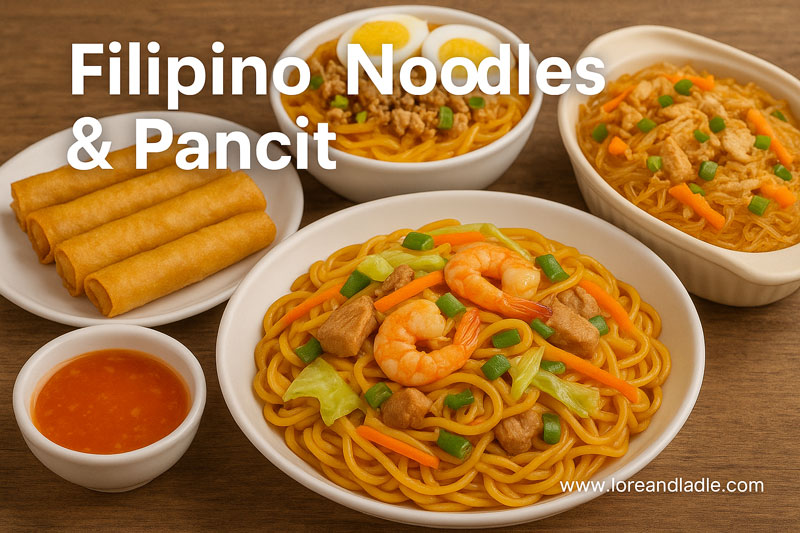
Pancit Malabon is a noodle dish that reflects the coastal character of its home city. It uses thick, soft noodles that take on a glossy, seafood-driven sauce. The sauce balances salt, sweetness, and a touch of brightness from citrus. Toppings bring texture and color: shrimp, pieces of squid, fish flakes, and often a crisp finish from fried toppings. A few slices of hard-boiled egg add richness, while a sprinkle of green onions and a squeeze of calamansi brighten every bite. Simple Pancit Malabon Recipe in the U.S. for sharing Filipino flavors centers on these elements—no fuss, clear flavors, and a finished plate that feels both special and comforting.
Flavor Profile and Texture
The flavor is layered and balanced. The sauce carries a savory backbone from seafood and a hint of depth from salt and fish sauce. There is a briny kiss from the seafood, with a soft sweetness that comes from the onions and the natural sweetness of the noodles. A citrus note from calamansi or lemon lifts the dish, keeping it lively rather than heavy. The texture contrasts make the dish lively: tender noodles, yielding seafood, and a possible crisp touch from toppings or fried elements. The overall effect is a comforting, coastal-inspired dish that feels grand enough for a family gathering and simple enough for a weeknight meal. Simple Pancit Malabon Recipe in the U.S. for sharing Filipino flavors emphasizes these contrasts, delivering a tasty experience without complexity.
Key Ingredients and Substitutions (High-Level Ideas)
- Thick noodles, often bihon or similar rice noodles that soften beautifully.
- A seafood-forward sauce or “sarsa” built from shrimp flavor, light stock, and color from annatto oil.
- Shrimp, squid, and fish flakes or shredded fish for texture and aroma.
- A few toppings for crunch and color: crushed chicharrón or crisp elements, sliced hard-boiled eggs, green onions.
- Aromatics and brightness: onions, garlic, calamansi or lime, and a touch of chili if you like heat.
- Optional add-ins: fried shallots, toasted sesame, or a dash of soy sauce for extra savor.
In Simple Pancit Malabon Recipe in the U.S. for sharing Filipino flavors, you can adapt these components with ingredients available in U.S. markets. For example, frozen shrimp or fresh seafood, dried fish flakes, and canned fish can stand in for traditional elements. The emphasis stays on building a glossy sauce, layering seafood, and finishing with fresh brightness. The goal is to keep the core idea intact while making substitutions that feel natural in your kitchen.
High-Level Cooking Concepts for U.S. Kitchens
- Build a simple, seafood-forward sauce: Combine elements like a seafood stock base with a pop of color from annatto or paprika, and a gentle saltiness from fish sauce. The idea is to create a glossy, flavorful coating for the noodles rather than a heavy sauce.
- Layer toppings for texture: Plan a mix of tender seafood and a crisp finish. Consider halved hard-boiled eggs for richness, and add a final crunch with lightly fried toppings or crisp bits.
- Think color and aroma: Use a small amount of herb or citrus to keep the dish lively. A squeeze of calamansi or lime just before serving brightens the entire plate.
- Prepare components ahead: Noodles can be rinsed and kept ready, toppings prepped, and sauce ready to warm. Simple Pancit Malabon Recipe in the U.S. for sharing Filipino flavors is designed to feel smooth and uncomplicated, even when assembling for a crowd.
- Adapt to local ingredients: If you can’t find a particular seafood or fish flaky topping, substitute with accessible options like canned fish flakes or firm white fish, keeping the texture and flavor balance intact.
These ideas keep the preparation approachable while preserving the dish’s character. The aim is to encourage practical, enjoyable cooking in U.S. homes without imposing strict steps. Simple Pancit Malabon Recipe in the U.S. for sharing Filipino flavors can be a friendly template for families and friends who want to celebrate Filipino flavors with confidence.
Occasions to Share and Enjoy
Pancit Malabon is a dish born for sharing. It works well for gatherings where a larger group wants a single, satisfying platter rather than many small dishes. Consider serving it at:
- Family Dinners on weekends when everyone is ready to linger over plates.
- Potlucks at work or with community groups, where a bold, crowd-pleasing option can anchor the meal.
- Birthday meals or anniversary celebrations, where a nod to Filipino flavors adds a special touch without being fussy.
- Casual parties or BBQs where the dish can sit on a long table and be enjoyed with friends and neighbors.
- Sunday lunches that invite lingering conversations and a relaxed atmosphere.
In every case, Simple Pancit Malabon Recipe in the U.S. for sharing Filipino flavors can be prepared to suit the size of the gathering and the available ingredients. The dish invites conversation about flavors, textures, and family stories, rather than complicated techniques.
Serving and Enjoying: A Simple Approach
- Presentation: Plate the noodles on a wide platter or shallow bowls. Arrange the seafood on top and add slices of hard-boiled eggs along the side. A few sprigs of green onions give color and freshness.
- Accompaniments: Calamansi wedges on the side invite guests to add brightness as they prefer. A light chili or crushed pepper can provide a gentle kick for those who enjoy heat.
- Mixing: Encourage guests to toss the noodles lightly at their own tables. This keeps the dish feeling communal and interactive, a small ritual that enhances the sense of sharing.
- Sides and balance: Fresh cucumber slices or a simple pickled veggie can offer a crisp counterpoint to the soft noodles and tender seafood.
- Simple Pancit Malabon Recipe in the U.S. for sharing Filipino flavors fits well with a relaxed, family-friendly table where everyone can contribute to the final mix and enjoy the company as much as the food.
Cultural Value and Traditions (Non-Political)
Food carries memory and warmth. Pancit Malabon embodies coastal flavors, seafood abundance, and the care of home cooking. It celebrates the ocean’s gifts and the skill of turning simple ingredients into a satisfying meal. The dish is a reminder that a home kitchen can bring together different textures and tastes into one harmonious plate. The practice of gathering around a platter, sharing a meal, and enjoying the aroma as noodles mingle with seafood is a gentle, enduring tradition that many households cherish. Simple Pancit Malabon Recipe in the U.S. for sharing Filipino flavors highlights these values: hospitality, attention to detail, and the joy of serving others with care. There is beauty in the way a dish invites people to pause, savor, and connect over food.
A Thoughtful Approach to Freshness and Quality
Freshness matters in this dish. The aroma of seafood, the brightness of citrus, and the crispness of toppings all come together when ingredients are at their best. In the kitchen, a mindful approach to selecting seafood, choosing fresh greens, and balancing salt helps deliver consistent results. The idea is to honor the ingredients, not overwhelm them. Simple Pancit Malabon Recipe in the U.S. for sharing Filipino flavors invites cooks to trust simple choices, and to adjust flavors gently to suit local tastes. The dish remains approachable, whether you are cooking for a small family dinner or a larger gathering.
Final Thoughts
Pancit Malabon holds a place in Filipino cooking that many people find comforting and inspiring. Its combination of soft noodles, seafood-rich sauce, and thoughtful toppings makes it a versatile centerpiece for many occasions. Simple Pancit Malabon Recipe in the U.S. for sharing Filipino flavors demonstrates how a traditional favorite can adapt to U.S. kitchens while preserving the essence of its coastal flavors and home-spun charm. The dish invites curiosity, encourages sharing, and offers a clear, welcoming path to a satisfying meal. By focusing on flavor, texture, and togetherness, you can enjoy a dish that feels both familiar and special, a bridge between kitchens and a shared love of good food.
Conclusion
In every kitchen where Simple Pancit Malabon Recipe in the U.S. for sharing Filipino flavors is prepared, the goal is clear: celebrate Filipino flavors with warmth and balance. The dish remains grounded in simple components, strong seafood notes, and a gentle brightness that lifts the entire plate. It invites cooks to explore, to adapt, and to share with friends and family. If you are looking for a dish that feels festive yet approachable, that offers both comfort and a touch of excitement, this is a thoughtful choice. Simple Pancit Malabon Recipe in the U.S. for sharing Filipino flavors is more than a recipe; it is a way to bring people together, one flavorful noodle at a time.