
Introduction
Simple Ingredient Swaps to Lighten Up vegan bean and veggie pupusas offers a gentle celebration of flavor and craft. This dish blends a warm, comforting masa with bright vegetables and beans, highlighting how traditional foods evolve with fresh ingredients. The result is a meal that feels both deeply rooted and refreshingly modern. In this post, we explore the cultural value and culinary significance of pupusas, and how small swaps can lighten the dish without losing its heart.
The heart of pupusas: masa, fillings, and shared moments
Pupusas are a staple in Central American cuisine, crafted from masa (corn dough) and a variety of fillings. They shine in markets, home kitchens, and family gatherings, where the process of shaping, cooking, and sharing creates a simple, joyful ritual. The masa carries the memory of corn’s everyday nourishment, while the fillings tell a story of what grows and thrives in a given season. When you bite into a vegan bean and veggie pupusa, you taste a harmony of textures: tender outer crust, soft interior, and a lively mix of vegetables and beans inside. This balance embodies a culinary philosophy that values reachable ingredients, careful technique, and meals that invite connection.
Simple ingredient swaps to lightened the dish
Lightening a pupusa does not mean losing its character. It means inviting more vegetables, bright flavors, and mindful preparation. Here are practical swaps that preserve texture and taste while keeping things lighter:
- Beans and vegetables
- Swap some mashed beans for finely chopped vegetables. Use a mix of grated zucchini, shredded carrot, corn kernels, and finely chopped peppers. This adds color and crunch while reducing heaviness.
- Mash beans with a splash of veggie broth and a pinch of cumin for depth, then fold in the chopped vegetables for a lively filling.
- Masa and hydration
- Soften the masa with a touch more water or vegetable broth and a little lime juice. This helps the dough stay pliant without adding fat.
- Rinse and drain beans well to lighten their density, and let them dry briefly before mixing with vegetables.
- Oil and cooking technique
- Cook on a hot nonstick skillet or comal with a minimal brush of oil, or use a light spray. A properly heated surface creates a crisp exterior with less fat.
- Steam or roast the vegetables before mixing. This concentrates flavors and reduces moisture that can weigh down fillings.
- Cheese and flavor enhancers
- If you enjoy a touch of dairy-free cheese, use a small amount to keep the filling light. Alternatively, rely on nutritional yeast, lime zest, cilantro, and minced garlic to boost savoriness without added fat.
- Texture balance
- Add a small amount of finely chopped cabbage or grated jicama for a crisp contrast inside the pupusa. This keeps the bite lively and refreshing.
- Accompaniments that lift the meal
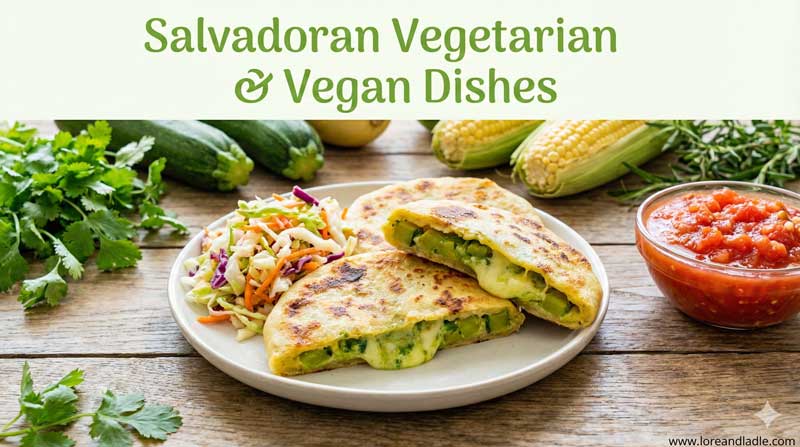
- Serve with curtido (a tangy cabbage slaw) and a bright tomato salsa. The acidity from these sides brightens every bite and can reduce the need for heavier fillings.
- Portion control
- Make smaller pupusas or stretch a filling with more vegetables. Smaller portions are satisfying and help keep the meal light.
The craft: shaping, filling, and cooking with care
To honor the dish’s heritage, handle the masa with gentle, confident motions. Keep the dough evenly hydrated so it doesn’t crack and can encase the filling smoothly. When you press the dough, aim for a uniform disc that’s about the thickness of a coin. Add the filling in a slender line across the center, then fold and seal with a pinch to prevent leakage during cooking. A hot, dry skillet delivers a crisp crust and a tender interior without requiring additional oil. With each flip, you reinforce the timeless technique that makes pupusas both sturdy and comforting.
Cultural value and culinary significance
Pupusas symbolize nourishment shared among neighbors, families, and friends. The dish embodies the idea that simple ingredients can become a dish of character when prepared with care, patience, and attention to balance. The vegan bean and veggie version demonstrates culinary adaptability—how tradition can welcome plant-based ingredients while preserving signature flavors and textures. This adaptability helps communities celebrate abundance, seasonal produce, and the joy of cooking together. By highlighting vegetables and beans, the dish also invites a broader audience to experience a beloved staple in a lighter, accessible way. The result is not just a meal; it is a small act of cultural appreciation, where technique, taste, and tradition mingle in a single, satisfying bite.
The sensory journey: color, aroma, and harmony
Inside each pupusa, color tells a story. Bright greens from zucchini and cilantro pair with the warm gold of corn masa. The aroma of roasted vegetables mingles with toasty corn, inviting the mind to linger at the table. A squeeze of lime over the finished pupusa awakens the filling, while curtido adds a zesty crunch that keeps the palate interested. This sensory balance—soft masa, crisp edges, and fresh toppings—celebrates the beauty of everyday food transformed through thoughtful preparation.
Serving ideas and how this dish fits into meals
Pair vegan bean and veggie pupusas with fresh sides like curtido and salsa for a complete, refreshing plate. Add a side of avocado slices or a light bean soup to extend the meal without heaviness. This dish fits into casual gatherings, weekend meals, and weeknight dinners alike, offering resilience and warmth in every bite. It also serves as a gentle invitation to explore regional flavors and seasonal produce, reinforcing the link between food, place, and shared experience.
Conclusion
Simple Ingredient Swaps to Lighten Up vegan bean and veggie pupusas honors a dish that is both traditional and evolving. By embracing lighter fillings, mindful cooking, and bright accompaniments, you preserve the core of the original while inviting more people to enjoy its cultural richness. The result is a vibrant, respectful, and inviting expression of how food can celebrate the gifts of the garden, the craft of the kitchen, and the joy of sharing meals with others.