
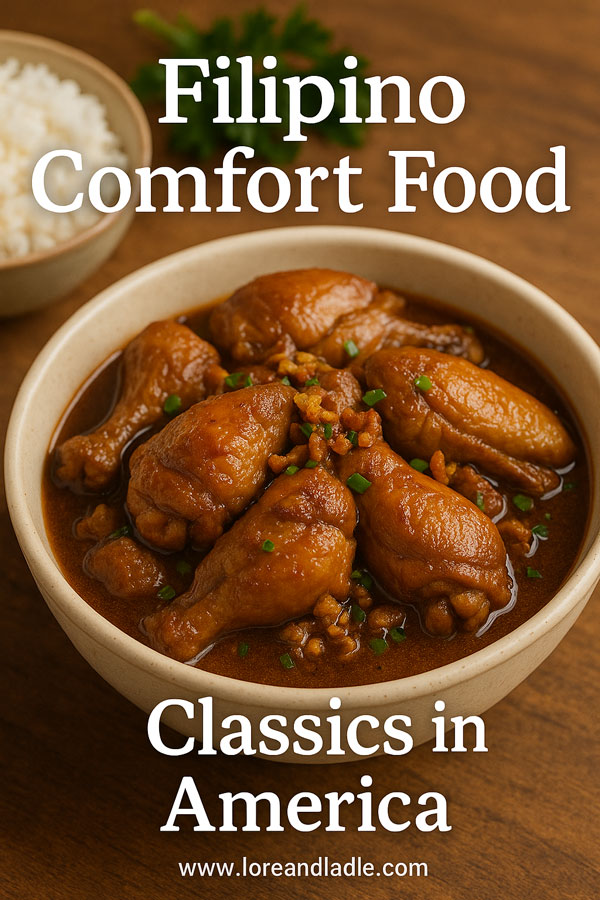
Hook
On a rainy afternoon, a pot hisses softly on the stove and a small crowd gathers around the counter. The air wakes with citrusy brightness and a hint of tang. An elder ladles the soup and smiles, saying softly that this is comfort in a bowl. Why Sinigang Is A Must-Try Filipino Dish in the U.S. feels like a name for that moment—a reminder that a shared pot can warm both table and heart.
Why Sinigang Is a Must-Try Filipino Dish in the U.S. is more than a recipe. It is a everyday ritual of seizing freshness, balancing bold sour notes with gentle sweetness, and savoring each bite with rice on the side. The soup invites conversation, friends, and family to gather as flavors bloom in the steam.
Jump to Recipe
This section gives you a quick, friendly sense of how Why Sinigang Is a Must-Try Filipino Dish in the U.S. comes together. It is designed to be easy to understand in any kitchen.
Core idea: A bright, sour broth anchors tender protein and crisp vegetables, all shared over rice.
Key ingredients (typical lineup): tamarind or sinigang sour mix for the broth, a protein such as pork, shrimp, or fish, onions, tomatoes, and a rainbow of vegetables (daikon radish, okra, eggplant, green beans, and leafy greens). Seasonings include a light touch of fish sauce and salt. Calamansi or lime can brighten the finish.
High-level method: simmer a sour broth, introduce the protein to cook gently, add vegetables by their cooking times so they stay crisp, then balance salt and sourness to taste. The soup is warm, not heavy, and ready to be enjoyed with rice.
Why Sinigang Is a Must-Try Filipino Dish in the U.S. works well in many kitchen setups because it adapts to what you have. This is a dish you can rotate with seasonal produce and still keep its core character.
The Deep Dive
Why Sinigang Is a Must-Try Filipino Dish in the U.S. reflects a warm, everyday culture of sharing meals. The bright sourness comes from tamarind, which gives a lively starting note that settles into a comforting depth as you eat. The broth remains light yet flavorful, letting the natural sweetness of onions, tomatoes, and vegetables shine through.
Texture plays a central role. The meat or seafood stays tender, the radish and beans stay crisp enough to bite, and the eggplant soaks a gentle flavor from the broth. The greens on top bring a soft, leafy finish. This balance—tender, crisp, bright, and mellow—defines Why Sinigang Is a Must-Try Filipino Dish in the U.S. for many households.
Flavor is the guiding thread. The sour tang wakes the palate, then harmonizes with salt from fish sauce and the sweetness of ripe vegetables and meat. The result is a bowl that feels both refreshing and comforting at the same time. People cook sinigang at home for everyday meals, for easy weeknight dinners, and for weekend gatherings when friends drop in.
In daily life, Why Sinigang Is a Must-Try Filipino Dish in the U.S. often appears at the center of shared tables. It is common to serve it with rice on the side, a squeeze of calamansi or lime, and a little chili for those who want extra zing. This dish adapts to many settings: a cozy family meal, a casual potluck, or a simple weeknight supper after a busy day. The act of cooking, tasting, and adjusting sourness and salt becomes a small ritual that helps people connect.
Cultural value is found in the way the pot travels around the table. It invites conversation, demonstrations of How to balance flavors, and stories about favorite vegetables or local twists. Why Sinigang Is a Must-Try Filipino Dish in the U.S. carries memory through ingredients that are both pantry-staple and seasonal treats. It also shows how a single recipe can travel and still feel close to home.
Occasions for sinigang are everyday and festive alike. A family dinner after work, a weekend lunch with neighbors, or a simple celebration of a new season all suit the dish. People enjoy the soup for its bright aroma, its comforting warmth, and its practical, flexible nature. The dish is a companion to rice, not a rival, and that balance is part of its charm.
Non-political traditions surround the cooking and sharing of Why Sinigang Is a Must-Try Filipino Dish in the U.S. Common practices include choosing a souring agent (tamarind or a ready-made sinigang mix), preparing a colorful mix of vegetables, and letting each person adjust the level of sourness at the table. Some households fold in greens at the end for a fresh finish, while others brighten the broth with a squeeze of citrus. The result is a dish that feels welcoming, communal, and consistently comforting.
Recipe Card
Why Sinigang Is a Must-Try Filipino Dish in the U.S. — Recipe Card
Core ingredients:
– Tamarind-based sour broth or sinigang mix
– Protein: pork (cut into chunks) or shrimp/fish
– Tomatoes and onions for base flavor
– Vegetables: daikon radish, okra, eggplant, green beans, leafy greens
– Seasoning: fish sauce, salt; optional chilies or pepper
– Water, and rice to serve
High-level method:
– Create a bright broth with the tamarind base and water.
– Add the protein and simmer until tender.
– Introduce vegetables in stages so each stays crisp and flavorful.
– Check balance: adjust salt and sourness, then finish with greens and a final aroma of citrus if you like.
– Serve hot with steamed rice on the side.
Why Sinigang Is a Must-Try Filipino Dish in the U.S. is best enjoyed at a table where conversation and bowls mingle. The dish invites a calm, unhurried pace and a shared sense of home, no matter where you are.