
Hook
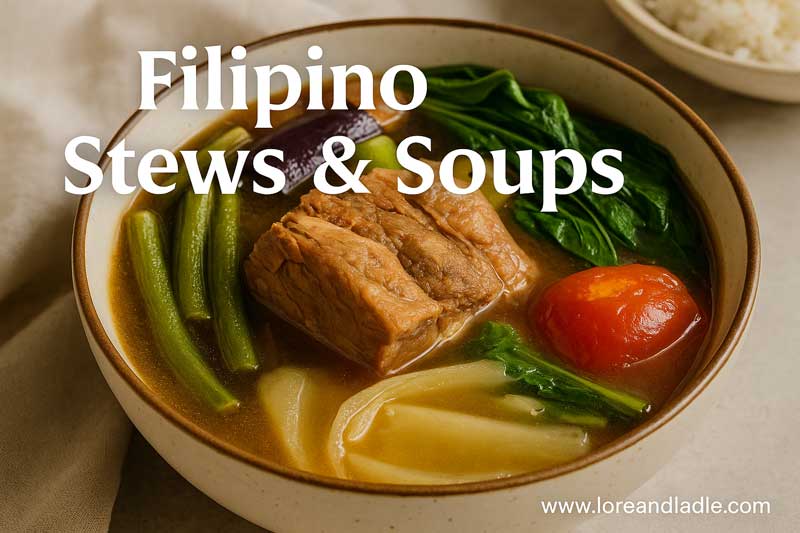
On a rainy Saturday in a small apartment kitchen, a pot of Why Sinigang na Baboy Is a Must-Try Filipino Dish in the U.S. bubbles softly. The scent of tamarind and pork drifts through the hall, inviting smiles and quiet conversation. A child dips a spoon and discovers the bright, sour warmth in every sip. This everyday scene shows how flavor can turn a simple bowl into a shared memory.
The Trust Indicator
Jump to Recipe: Why Sinigang na Baboy Is a Must-Try Filipino Dish in the U.S. centers on a bright, sour broth built from tamarind, balanced with pork and vegetables. The approach is straightforward: simmer pork with onions and aromatics, add tamarind for tang, fold in vegetables, and season to taste with fish sauce and salt. Serve hot with rice. It’s easy to grasp, flexible for different kitchens, and ready to enjoy with family or friends. This quick summary helps you sense the dish’s spirit before you dive deeper.
The Deep Dive
Why Sinigang na Baboy Is a Must-Try Filipino Dish in the U.S. captures more than a recipe. It embodies everyday warmth, comfort, and a shared love of bright, clean flavors. The sour note comes from tamarind, kalamansi, or a sang of local tamarind products, which gives the broth its lively character. Pork adds depth and richness, while a chorus of vegetables—such as daikon or radish, green beans, okra, tomato, and leafy greens—brings crunch, sweetness, and color. The balance among sour, salty, and savory shines through in every bowl.
People enjoy sinigang in many moments. It shines on weeknights when a family wants something wholesome and quick. It appears at weekend gatherings where a pot feeds several generations with generous servings. It travels well in hot weather and cool weather alike, always returning to the table with a comforting glow. The dish embraces simple, fresh ingredients found in many kitchens, and it rewards cooks who taste and adjust as they go. This dish, Why Sinigang na Baboy Is a Must-Try Filipino Dish in the U.S., thrives on the everyday rituals of home cooking—the chop of garlic, the soft sigh of onions, the gentle bloom of sour broth as vegetables soften. It is a dish that invites conversation about flavors, seasonality, and favorite add-ins, while staying approachable and kind to the palate.
Texture plays a central role. Pork becomes tender and succulent, while vegetables offer a mix of crisp bite and soft tenderness. The broth remains bright and clear, carrying the aroma of citrus and onions. Some households add a final squeeze of kalamansi at the table for an extra zing. Others keep it simple, letting the core ingredients shape the experience. Why Sinigang na Baboy Is a Must-Try Filipino Dish in the U.S. is loved for its balance and its ability to adapt to what’s on hand, season after season. This is culture in a pot, inviting guests to gather, taste, and celebrate the everyday beauty of Filipino cooking.
In the U.S. pantry, cooks blend traditional elements with local produce. Fresh greens, taro, or long beans may appear alongside familiar staples. Some families experiment with different souring agents, while others stay true to tamarind in a classic approach. The dish remains deeply practical and deeply comforting, a dish that serves both a quick weeknight meal and a slower, lingering meal with friends. Why Sinigang na Baboy Is a Must-Try Filipino Dish in the U.S. continues to grow in kitchens as a dependable favorite that brings brightness and balance to a table.
The Recipe Card
The Recipe Card
Why Sinigang na Baboy Is a Must-Try Filipino Dish in the U.S. – Core ingredients
– Pork: spareribs or pork belly
– Sour base: tamarind pulp, tamarind paste, or a sinigang mix
– Aromatics: onion and garlic
– Tomatoes for brightness
– Vegetables: radish or daikon, green beans, okra, eggplant, leafy greens (like spinach or kangkong)
– Seasonings: fish sauce (patis), salt, pepper
– Liquid: water or light broth
– Optional: kalamansi or lime for at-the-table brightness
– Accompaniment: steamed rice
Why Sinigang na Baboy Is a Must-Try Filipino Dish in the U.S. – High-level method
Start with a pot of pork, onions, and garlic to build a warm, savory base. Add tomatoes to brighten the broth, then introduce tamarind to create the signature tang. Fold in the vegetables so they cook to tender-crisp, maintaining color and texture. Season with fish sauce and a touch of salt to balance the sourness. Finish with greens if you like, and serve hot over rice. This high-level method keeps the focus on flavor and balance, while leaving room for personal touches. Why Sinigang na Baboy Is a Must-Try Filipino Dish in the U.S. remains a flexible, welcoming dish that fits many tables.