
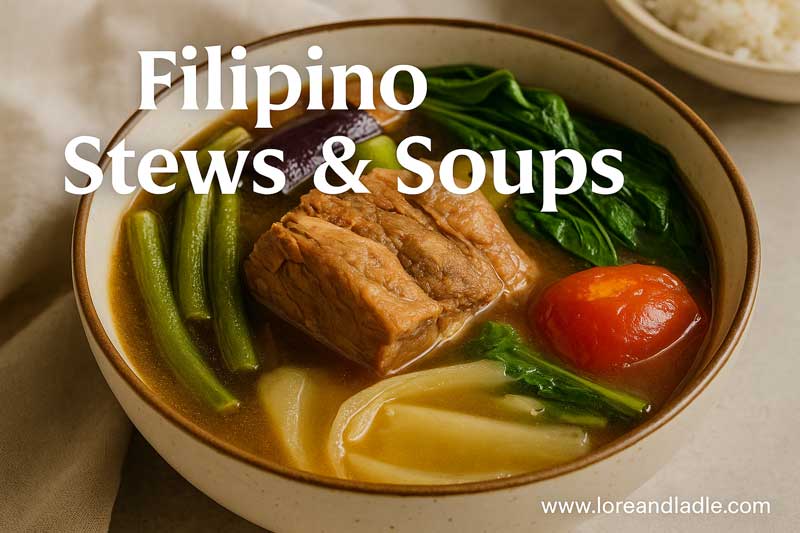
The Hook
On a rainy afternoon, a pot hums softly on the stove. Steam curls around a wooden spoon as pork relaxes in a sour broth. A family gathers, bowls in hand, as the kitchen fills with a bright tang and the comfort of home. Why Sinigang na Baboy Is A Must-Try Filipino Dish in the U.S. slips into that moment like a welcome guest. It is simple, warm, and endlessly satisfying, a dish that invites conversation as it invites slurps of its tangy broth.
The Trust Indicator
Jump to Recipe summary for Why Sinigang na Baboy Is a Must-Try Filipino Dish in the U.S.
- What it is: a bright, sour pork soup built from pork, aromatics, a tamarind-based souring agent, and a chorus of vegetables.
- Core idea: simmer pork to tenderness, balance sour and savory with tamarind or sinigang mix, and fold in vegetables for texture and color.
- Core ingredients (at a glance): pork, onions, tomatoes, tamarind (paste, fresh, or mix), fish sauce, water, and a selection of sturdy vegetables like daikon, long beans, okra, eggplant, and leafy greens.
- High-level method: create a savory broth, introduce the souring element, add vegetables by readiness, then season to taste.
Why Sinigang na Baboy Is a Must-Try Filipino Dish in the U.S. is designed to be understood quickly: you can imagine the pot, the tasting, and the way the broth balances bright sourness with comforting fullness.
The Deep Dive
Why Sinigang na Baboy Is a Must-Try Filipino Dish in the U.S. stands out for its cultural value, its lively flavors, and its inviting texture. The dish centers on balance: sourness from tamarind or sinigang mix pairs with a savory pork base, while vegetables add crunch, sweetness, and tenderness. The result is a soup that feels bright enough for a warm afternoon and soothing enough for a long evening at the table.
Cultural value and setting
– Family dinners and weekend meals anchor the dish. Many households prepare sinigang as a way to gather, to share stories, and to slow down the pace of a busy day.
– The broth acts as a unifier. A single bowl carries a chorus of ingredients that represent seasonality, care, and togetherness.
– In daily life, the dish is about accessibility. It uses common ingredients and flexible vegetables, so home cooks can adapt based on what’s on hand.
Flavors and textures
– The signature aroma comes from simmered pork, onions, and tomatoes, which release a gentle sweetness that grounds the sour tang.
– The tang comes from tamarind or a sinigang mix, delivering a crisp brightness that wakes the palate without overpowering it.
– Textures vary with every bite: the pork can be fork-tender, while vegetables bring a mix of crispness and softness. A spoonful of rice often soaks up the last, flavorful droplets of broth.
Key characteristics
– Bright, tangy, and savory in harmony.
– A light broth that still feels hearty due to meat and vegetables.
– Fresh green leaves and crunchy vegetables that contrast with the soft meat.
– A customizable degree of sourness, allowing cooks to tailor the experience to their taste.
Occasions and daily life
– Comfort meals on rainy days or after a long day.
– Hydrating, nourishing bowls that pair with plain steamed rice.
– Casual gatherings with friends or family, where the pot sits center stage and everyone helps themselves.
– Seasonal cooking, using veggies that are at their best locally.
Ways people enjoy it
– With a generous bowl of rice on the side.
– Dilluted with a splash of fish sauce and a squeeze of lime or calamansi for extra brightness.
– Added chili for heat or fresh greens stirred in at the last moment for vibrancy.
– Served with friends and family; the shared experience matters as much as the flavor.
Non-political traditions
– The ritual of tasting: a first sip to gauge tang, then careful adjustments to balance flavors.
– The act of sharing: bowls passed around, spoons clinking softly, a sense of hospitality in every ladle.
– A focus on freshness and seasonality: using vegetables that are widely available and at their peak.
– The emphasis on simplicity: a clear, approachable recipe that welcomes cooks at any skill level.
Why Sinigang na Baboy Is a Must-Try Filipino Dish in the U.S. also invites readers to think about how a dish travels with us in daily life. It travels not as a grand statement but as a comforting, everyday conversation between pot, plate, and people. The result is a dish that feels both timeless and timely, a gentle reminder that flavor can be bright and nourishing without being complicated.
The Recipe Card
Why Sinigang na Baboy Is a Must-Try Filipino Dish in the U.S.
Core ingredients
– Pork: shoulder, belly, or spareribs, cut into serving pieces.
– Souring agent: tamarind paste, fresh tamarind, or sinigang mix.
– Aromatics: onions and tomatoes; garlic as desired.
– Liquid: water or light stock.
– Fish sauce (patis) and salt to taste.
– Vegetables: daikon radish (labanos), taro root (optional), long beans (sitaw), okra, eggplant, leafy greens (spinach or kangkong), and a tomato to brighten the broth.
High-level method
– Build a gentle pork broth with aromatics to create a clean, savory base.
– Introduce the souring agent to achieve the characteristic tang while maintaining balance with salt and fish sauce.
– Add sturdier vegetables first (daikon, taro, long beans) and finish with delicate greens (spinach or kangkong) so textures stay distinct.
– Taste and adjust sourness and salt until the broth feels bright but comforting, then serve with plain rice.
This compact recipe card provides core ideas for Why Sinigang na Baboy Is a Must-Try Filipino Dish in the U.S. without detailed steps, keeping the focus on flavor, texture, and daily life. The dish remains a reliable crowd-pleaser that invites conversation, warmth, and shared meals—an everyday tradition you can carry into the kitchen any night.