
Siomay Bandung: A Glimpse of West Java on a Plate
Siomay Bandung invites the senses with a bright medley of textures and colors. The centerpiece is a group of delicate fish dumplings, steamed to tenderness, resting beside potato slices, crisp cabbage, and slices of boiled egg. Cucumber and corn add sweetness and crunch, while a handful of crackers (kerupuk) provide a final pop of saltiness. All of this finds its harmony in a generous drizzle or dip of peanut sauce, sometimes balanced with a touch of tangy lime and a hint of chili. The result is a balanced plate that feels both comforting and exciting.
Beyond the plate, Siomay Bandung communicates a playful street-food ethos. Vendors shape the dumplings by hand, steam them in bamboo baskets, and serve the dish quickly to patrons who linger over conversations, savoring each bite. The presentation—colorful vegetables beside soft dumplings, with the glossy swath of peanut sauce— invites sharing and conversation. In the United States, this dish often serves as a tasty welcome to Indonesian flavors, a reminder that Simple Ingredients can deliver complex, satisfying depth.
What Makes Siomay Bandung Unique
Siomay Bandung stands out for its method and mood. The fish dumplings come from a light fish paste that blends with tapioca to hold shape and yield a delicate bite. The dumplings are steamed, not fried, so their flavor remains clean and bright. The accompanying components—cabbage, potatoes, egg, and corn—provide textures that contrast with the softness of the dumplings. The peanut sauce is the unifying thread: nutty, slightly sweet, and enriched with a hint of garlic and palm sugar. A squeeze of lime adds brightness, while a chili splash can wake the palate.
The Bandung style emphasizes balance. It shows how a single household recipe can travel into the market and into home kitchens far from its origin, adapting to what’s available while honoring tradition. This balance—between freshness, heartiness, and bright sauce—defines the dish’s appeal. For Indonesian food fans in the U.S., it offers a friendly entry point into a wider world of regional flavors, encouraging curiosity without overwhelming the senses.
The Cultural Value of Bandung Flavors
Food carries memory and meaning, and Siomay Bandung is a prime example. The dish embodies a culture of togetherness, where meals are shared, conversations flow, and every bite invites a gentle discovery of regional character. The vegetable mix speaks to the seasonality of ingredients, while the fish dumplings reflect a coastal influence that remains central in many Indonesian kitchens. The peanut sauce ties the plate to a broader Indonesian pantry, where spices and nuts create a unifying language.
In daily life, Siomay Bandung is both snack and meal, a flexible option for casual gatherings, family dinners, or a quick treat after work. Its approachable flavors—savory, nutty, and subtly sweet—make it accessible to a wide audience, while its craft hints at the care and skill behind Indonesian cooking. For fans in the U.S., enjoying Siomay Bandung can feel like a small ceremony: a moment to appreciate texture, balance, and the joy of sharing food that travels well.
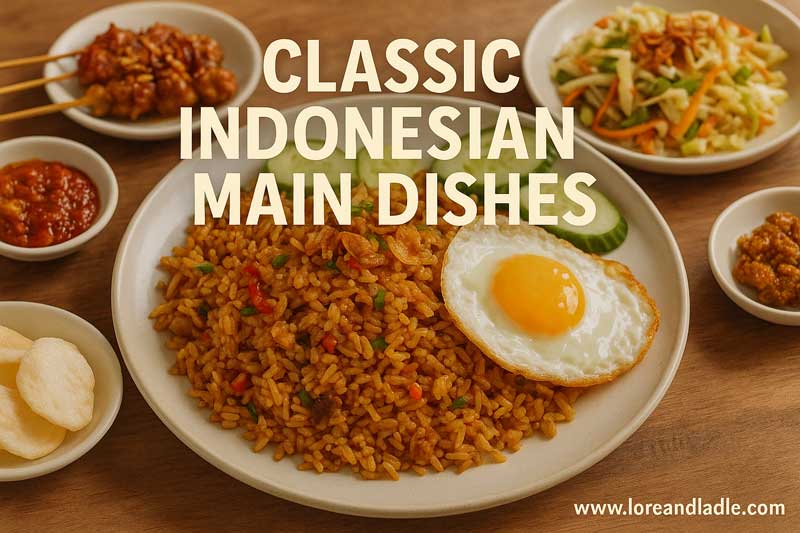
Classic Indonesian Main Dishes: A Tapestry of Tastes
Beyond Siomay Bandung, Indonesian main dishes offer a broader map of flavors and techniques. Nasi Goreng, or fried rice, is a staple of home cooking and street stalls alike. It is built on a foundation of aromatics, wok heat, and a touch of sweet soy, with room for eggs, chicken, seafood, or vegetables. Rendang, with its slow-cooked, deeply spiced coconut gravy, shows the art of patience and richly developed bumbu. Sate, skewered meat grilled with a smoky edge and served with peanut sauce, illustrates a tradition of careful grilling and balanced accompaniments. Mie Goreng, a flavorful fried noodle dish, and Soto Ayam, a comforting chicken soup, round out a set of favorites that celebrate balance and versatility.
Culinarily, these dishes share a respectful use of spices and a focus on technique. They rely on fresh ingredients and purposeful heat, turning simple components into meals with lasting resonance. The idea of bumbu and rempah—spice blends that carry aromatic warmth—appears in every bite, connecting dishes across regions and seasons. For Indonesian food fans in the U.S., these classics offer a bilingual taste experience: recognizable comfort with a hint of unfamiliar adventure, all anchored by well-practiced techniques and a love of communal eating.
Techniques and Ingredients That Matter
Key elements unite these dishes: careful preparation, regional spice blends, and a balance of textures. Steaming keeps dumplings tender; quick stir-frying creates the lively Nasi Goreng and Mie Goreng; slow-simmering thickens rich sauces in Rendang. The backbone is a well-proportioned rempah or bumbu—garlic, shallot, chili, ginger, and spices that create depth without overwhelming the palate. Pantry staples such as palm sugar, tamarind, and kecap manis add sweetness and complexity, while fresh produce provides brightness and color.
In the U.S., cooks adapt by using available ingredients while preserving the essence of the dishes. The result is a fusion of faithful technique and practical creativity. This adaptability is part of the cultural value: Indonesian cooking welcomes variation, encouraging cooks to honor tradition while making recipes their own. The outcome is a kitchen that speaks both to heritage and contemporary taste.
Bringing Indonesian Flavor to the United States
For Indonesian food fans in the United States, these dishes offer a bridge between familiar comfort and new discovery. They encourage cooking at Home, visiting neighborhood markets, and sharing meals with friends and family. The flavors invite curiosity, yet they remain approachable—peanut sauce, savory broths, and fried or steamed textures provide reliable anchors even when ingredients differ.
Ultimately, Siomay Bandung and the classic Indonesian main dishes celebrate craft, balance, and community. They remind us that food is a living tradition—one that travels, adapts, and continues to delight. Enjoying these dishes can deepen appreciation for Indonesian culture, one bite at a time.
A Gentle Invitation to Explore Further
If you are exploring Indonesian cuisine, start with Siomay Bandung as a tasty ambassador. Then expand to Nasi Goreng, Rendang, Sate, and Soto Ayam to complete a well-rounded palate. Each dish offers a window into a rich culinary world where ingredients, technique, and heart come together in flavorful harmony. Welcome the journey, savor the textures, and celebrate the beauty of Indonesian cooking.