
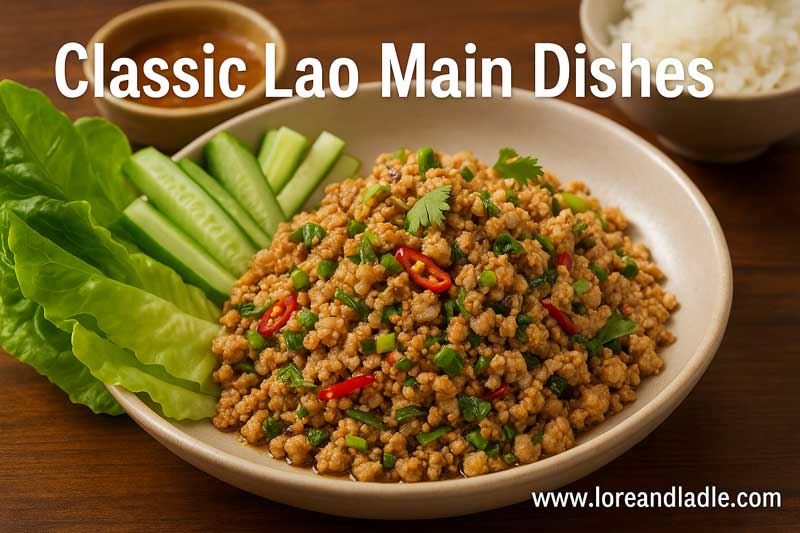
Slow-Cooked Classic Lao Main Dishes Meals for Relaxed Weekends
This post celebrates a thoughtful idea: slow-cooked Lao main dishes that shine on relaxed weekends. These meals embody patience, hospitality, and a deep respect for fresh ingredients. They invite families to gather, share, and savor flavors that have traveled through generations. The approach is simple: let time do its work, and let the ingredients tell their story.
The heart of Lao cuisine in slow-cooked meals
Lao cooking centers on balance and harmony. Dishes aim to please the palate with a clear, clean aroma and a comforting mouthfeel. Core elements include fragrant herbs, bright citrus, and a savory backbone from fish sauce or salt. Sticky rice acts as a warm, textual companion that holds the flavors together. In this slow-cooked collection, the dishes reveal how patience enhances aroma, tenderness, and the natural sweetness of vegetables and meat. The result is meals that feel both intimate and generous, perfect for weekend dining where there is time to linger.
Slow-cooking as a kitchen philosophy
Slow cooking is more than a technique; it is a gentle attitude toward food. In Lao kitchens, low heat and long simmering coax out richness without heaviness. Fans of Or Lam, a traditional Lao stew, know that a clay pot helps flavors mingle as aromas rise slowly. Even dishes that are steamed or braised show the same spirit: time softens textures and deepens herbaceous notes. With slow methods, pork, beef, or fish absorb the herbs, lime, and peppers, creating a depth that quick cooking seldom achieves. This philosophy fits relaxed weekends, when you can plan ahead and let aromas fill the home.
Signature dishes in this classic collection
- Or Lam: This is a hallmark Lao stew. It blends meat with vegetables, herbs, and a fragrant stock. Long simmering makes the meat tender and the vegetables silky. The broth carries lemongrass, galangal, and fragrant greens, producing a comforting, soulful flavor.
- Mok Pa (steamed fish in banana leaf): A cherished technique where fish is seasoned and wrapped in banana leaf. Steaming preserves moisture and infuses a clean, bright taste with herbal notes. It highlights the freshness of the fish while maintaining a gentle, fragrant finish.
- A gentle pork or chicken variant: Slow- cooked meats with lemongrass, garlic, and chilies, finished with lime and herbs. These dishes showcase how white rice or sticky rice becomes a soft counterpoint to the savory and sour elements.
These dishes illustrate Lao culinary values: a calm pace, respect for ingredients, and a bright, comforting finish. They work together to form a weekend menu that feels both refined and welcoming.
Flavor harmony: what makes the Lao palate sing
Lao flavors balance sour, salty, spicy, and umami in a cohesive chorus. Key components include:
– Aromatic herbs: lemongrass, lime leaves, dill, and cilantro lend a fresh lift.
– Heat and brightness: chilies provide warmth, while lime or tamarind adds tang.
– Savory depth: fish sauce or salt anchors the dish and lifts other flavors.
– Natural sweetness: a touch of palm sugar or rock sugar softens sharp notes.
In slow-cooked Lao dishes, these elements unfold gradually. The broth becomes brighter, the meat more tender, and the herbs release their oils slowly. The result is a tasting experience that invites a second helping and a longer conversation at the table.
Serving and weekend rituals
On weekends, Lao meals are often shared in a relaxed circle. A central pot or platter invites multiple hands to serve. Sticky rice is arranged in small baskets, ready to be pinched and rolled with the fingers. Dips and side dishes – jeow (spicy dips) and fresh herbs – accompany the main course. The beauty lies in the interaction: passing bowls, adjusting flavors with lime, and savoring textures together. The ritual itself becomes part of the meal, reinforcing feelings of warmth, hospitality, and community.
Practical tips for a relaxed weekend cook
- Plan ahead: choose one slow-cooked main and prepare the stock or marinade the day before.
- Choose a dependable method: a clay pot on the stove, a slow cooker, or a heavy pot in the oven all work well. Maintain a gentle simmer and check moisture occasionally.
- Build flavor in layers: start with aromatics, add meat, then vegetables, and finish with herbs and lime at the end.
- Manage heat: moderate heat prevents tough meat and preserves delicate fish flavors.
- Balance and adjust: taste as you go. A squeeze of lime or a dash of fish sauce can brighten the dish just before serving.
- Pair thoughtfully: serve with sticky rice and a light cucumber or herb salad to balance richness.
The cultural value of slow-cooked Lao mains
These dishes celebrate Lao hospitality. They honor farmers and markets by highlighting fresh vegetables, herbs, and proteins available locally. The slow approach reinforces care, attention, and respect for ingredients. Sharing a patiently cooked meal signals gratitude and generosity. Families learn together at the stove, and guests feel welcomed when a warm pot sits at the center. These meals foster quiet conversations, mindful eating, and a sense of belonging around the table.
A note on regional nuances and adaptability
Laotian cuisine varies by region, season, and household tradition. While Or Lam and Mok Pa anchor this collection, cooks adapt with what is on hand. Fresh river fish, herbs from a kitchen garden, or vegetables from the market can all become a part of the slow-cooked main. This adaptability is another layer of cultural value: it shows how food reflects place, time, and personal memory. The weekend cook can honor these traditions while adding personal touches that feel right in their home.
Final reflections
Slow-Cooked Classic Lao Main Dishes Meals for Relaxed Weekends invites you to slow down and savor. It is a celebration of patience, flavor, and shared meals. The dishes offer a bridge between tradition and everyday life, showing how time can deepen taste and how food can bring people together. If you try a Lao slow-cooked main this weekend, you may discover that the quiet rhythm of the stove mirrors the warmth of the family table. In this way, cuisine becomes a living expression of culture, hospitality, and joy.