
Introduction
Slow-Cooked mushroom-filled vegetarian khinkali for Extra Comfort invites you to slow down and savor. This dish blends a timeless dumpling craft with a gentle, plant-forward filling. It emphasizes care, texture, and warmth, turning a simple meal into a moment of welcome. Each bite carries a quiet celebration of technique, season, and shared tables. The name promises more than flavor; it promises comfort that lingers.
Cultural value of khinkali in Georgian cuisine
Khinkali holds a central place in traditional Georgian cooking. They are more than a meal; they are a symbol of hospitality and togetherness. The process of shaping each dumpling reflects patience, hand skill, and respect for ingredients. In households and kitchens, khinkali gatherings become a small, joyful ceremony. The vegetarian version honors that ritual while welcoming diverse tastes. Slow-Cooked mushroom-filled khinkali keeps the same spirit of care and sharing, now accessible to vegetarians and curious eaters alike.
The filling: mushrooms as an earthy, respectful star
Mushrooms bring depth without heavy cream or meat. When slow-cooked, they release moisture and absorb aromatics, becoming deeply savory. Onions, garlic, and herbs lift the mushrooms, creating a layered, umami-rich filling. The result feels comforting yet bright, with a scent that invites lingering at the table. This filling honors the land and the seasons, echoing vegetarian cooking traditions that celebrate restraint and flavor. Each bite offers texture — tender mushrooms meeting a gentle chew from the dough.
The dough: a soft and welcoming wrapper
The dough forms a delicate, yet sturdy cradle for the filling. A simple blend of flour, water, and salt yields a flexible sheet. Gentle kneading builds gluten just enough to hold in juices while remaining tender. Rolling the dough to a thin but resilient sheet allows the mushroom center to shine. The wrapper acts as a quiet stage where aroma and texture can unfold. When wrapped well, the dumpling becomes a small sculpture of care and craft.
The slow-cook method: flavor that grows with time
The title calls for patience. Slow cooking concentrates flavors and softens textures toward comfort. The mushrooms braise gently with onions and herbs, releasing their essences over a slow, steady flame or gentle oven. This approach preserves moisture, so the dumplings stay juicy after boiling. The result is a pronounced, mellow savor rather than a quick, hot punch. The technique connects cooks with traditional methods that prize depth and balance.
The eating experience: a ritual of sharing and delight
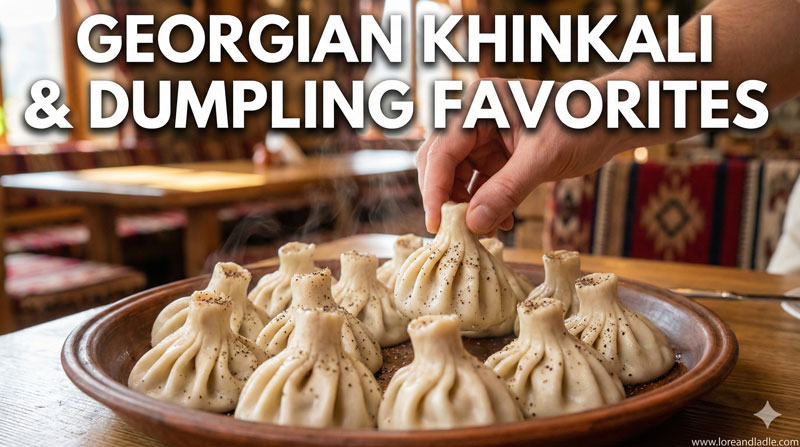
Eating khinkali is a tactile, communal ritual. Hold the dumpling by its twisted top and bite a tiny opening to sip the flavorful broth inside. Then enjoy the tender dough and the savory heart of the filling. in the vegetarian version, the broth is richer than expected and comforting in its own right. The dumplings invite conversation and slow tasting. A platter of these little moons becomes a centerpiece for warmth and friendly chatter.
Aroma, texture, and plating: senses in harmony
Steam rises, carrying mushroom earthiness and herb notes. The filling stays juicy, while the wrapper remains soft and slightly chewy. The aroma brings a cozy sense of home, even in a modern kitchen. Plate them with a sprinkle of fresh herbs and a light oil drizzle to heighten sheen and scent. A small bowl of clear broth on the side can elevate the experience further. The overall effect is a harmony of texture, fragrance, and visual comfort.
Regional echoes and culinary conversation
Across regions, khinkali adapt with local herbs and techniques. In our vegetarian rendition, classic Georgian flavors meet contemporary kitchen sensibilities. Dill, cilantro, or mint can brighten the filling without overwhelming it. Ground pepper or chili flakes can offer a gentle kick. These variations honor local tastes while preserving the dish’s core identity. They show how a traditional dish can evolve thoughtfully while staying rooted in its heritage.
Pairings: tea, herbs, and simple accompaniments
A light, fragrant tea complements the mushroom filling beautifully. Fresh lemon wedges add brightness and balance. A yogurt-based dip or herb-scented oil can provide a cool contrast. Pickled vegetables offer a crisp counterpoint to the softness of the dumplings. Simple salads and crusty bread can round out a meal. The goal is balance, not heaviness, so the dish remains comforting and uplifting.
Craft and care: what makes this dish special
This khinkali asks for mindful preparation. The dough is rolled evenly to ensure uniform cooking. The filling is cooled slightly before shaping to keep the dumplings neat. Each knot or fold is done with intention, reflecting the care that Georgian home cooking embodies. The slow cook time mirrors values of patience, precision, and attention to detail. When you plate them, you honor the effort invested from first chop to final boil.
A modern favorite: accessibility in home kitchens
Vegetarian, plant-forward dishes grow in popularity because they respect both flavor and variety. Slow-Cooked mushroom-filled khinkali fits modern dining while retaining traditional charm. It travels well from family dinners to intimate gatherings. The dish teaches that comfort can be both elegant and straightforward. It also demonstrates how a classic technique adapts to current tastes without losing its soul. This balance is precisely what makes it a cherished addition to many kitchens.
Conclusion: a dish of warmth, culture, and craft
Slow-Cooked mushroom-filled vegetarian khinkali for Extra Comfort values craft, seasonality, and the joy of sharing. It honors a storied dumpling tradition while welcoming vegetarian ingredients with grace. The dish invites cooks to slow down, listen to the pan, and savor every step. In doing so, it reveals the beauty of food as cultural storytelling—quiet, generous, and deeply human. This is comfort with character, and it invites everyone to partake in a timeless kitchen ritual.