
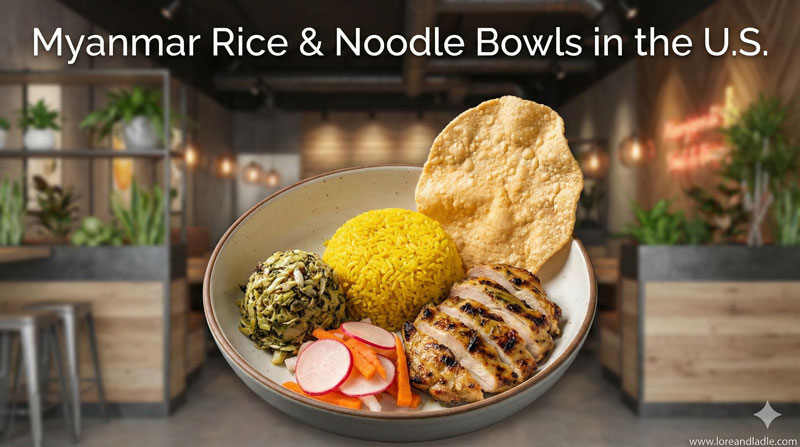
Introduction
Smart Meal Prep with Leftover Myanmar Rice & Noodle Bowls in the U.S. celebrates a dish that shines in both home kitchens and busy days. This bowl is more than food; it is a bridge between flavors, textures, and traditions. Cooks transform humble leftovers into bright, comforting meals. In doing so, they honor Burmese culinary ideas while fitting into American meal routines.
The heart of Myanmar rice and noodle bowls
Myanmar rice and noodle bowls center on balance. Rice anchors the bowl with a soft, satisfying base. Noodles add a springy contrast, inviting a chew. Bright herbs, tangy citrus, and savory seasonings wake the palate. Together, these elements form a simple yet elegant harmony that can hold up under quick reheating and creative remixing. The bowls invite mindful eating and attentive tasting, even on hectic days.
Flavor, texture, and balance
In these bowls, texture matters as much as taste. The creamy warmth of rice meets the chew of noodles. Fresh vegetables bring crispness, while peanuts or sesame seeds add a light crunch. Aromatics—garlic, shallots, and chili—deliver depth without heaviness. A splash of lime or a dab of fish sauce ties the flavors together with a bright finish. The result is a versatile canvas that can be adjusted for brightness, warmth, or subtle sweetness.
Meal prep magic: leftovers turned bright
Leftovers become a source of inspiration. Begin with cooled rice and any remaining noodles. Reheat gently to preserve texture, then layer with a quick-savory sauce. The process saves time while preserving quality. As a result, a few pantry staples can revive yesterday’s meals into something fresh and inviting. This approach fits well with the rhythm of busy schedules and encourages careful kitchen planning.
Key ingredients in Burma-inspired bowls
- Rice (any long-grain or jasmine variety) as a comforting base
- Rice noodles or other soft noodles for a satisfying bite
- Garlic and shallots for aroma
- Turmeric or mild curry powder for warm color and depth
- Fish sauce or a soy-based alternative for umami
- Lime juice or tamarind for brightness
- Fresh herbs such as cilantro or mint for lift
- Crunchy toppings like peanuts or fried onions for contrast
- Light vegetables such as cucumber, tomatoes, or cabbage for freshness
These components come together with minimal fuss, yet they carry a confident, cultural feeling that honors Burmese flavors while fitting modern American kitchens.
From bowl to table: serving and customization
Serving is where the dish truly shines. Pair with lime wedges for a zesty finish, and offer chopped herbs on top to release aromatics at the moment of eating. For variety, mix in small portions of protein or finely sliced vegetables. A drizzle of a quick-spiced oil can elevate the bowl, while roasted peanuts add a warm crunch. The beauty of this dish lies in its adaptability: you can adjust heat, brightness, and texture to suit the moment.
Cultural value in the U.S.
These bowls celebrate culinary diversity in everyday life. They invite curious eaters to explore Burmese-inspired flavors through familiar formats. The bowls also showcase how traditional taste fundamentals—balancing salty, sour, and savory notes—translate into contemporary, convenient meals. By embracing leftovers as a canvas, families and individuals engage in thoughtful cooking that honors craft, seasonality, and personal taste. The result is a welcoming food experience that respects both heritage and modern routines.
Practical tips for home kitchens
- Store leftovers promptly in airtight containers to preserve texture.
- Reheat gently to avoid sogginess; add a splash of lime juice to freshen the dish.
- Keep a small stash of core aromatics for quick upgrades: garlic, lime, and a pinch of chili.
- Customize with seasonal vegetables to keep flavors bright and aligned with what’s on hand.
- Don’t fear a little experimentation; a new topping can transform the bowl’s character.
Conclusion
Smart meal prep with leftover Myanmar rice and noodle bowls offers more than nourishment. It presents a respectful, delicious way to honor Burmese flavors while fitting into American life. With simple steps and flexible ingredients, the dish becomes a cherished ritual of taste, texture, and togetherness. In every bowl, there is a story of careful preparation, balanced flavors, and the pleasure of sharing a well-made meal.