
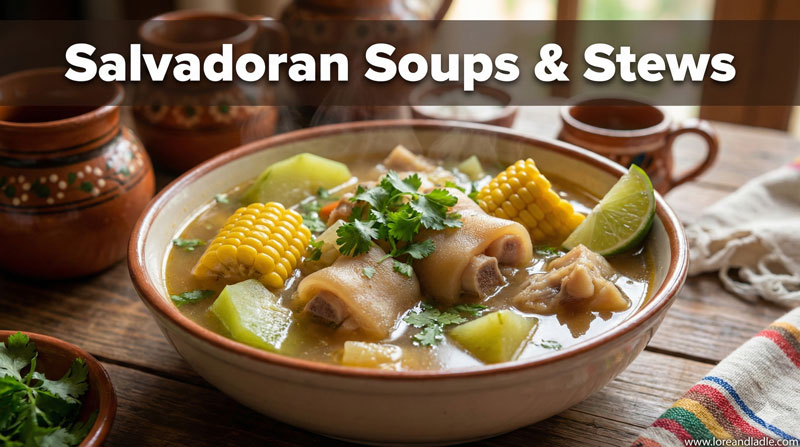
From El Salvador to Your Kitchen: sopa de res, hearty Salvadoran beef soup
Sopa de res is a comforting, bright centerpiece in Salvadoran cuisine. The dish invites you to slow down and savor the moment. It blends warmth, nutrition, and family tradition in a single pot. In every simmer, you can sense the care of home kitchens and the joy of sharing a meal.
A portrait of flavor: the ingredients that tell a story
The heart of sopa de res is a generous beef base. Common cuts include beef shank and marrow bones, which lend depth and a succulent, silky texture. Add-in essentials are corn on the cob, hearty potatoes, and yuca for a starchy balance. Some cooks include chayotes or carrots for color and sweetness. A simple trio of onion, garlic, and herbs builds a bright foundation. Fresh cilantro or culantro brings a herbaceous lift, while bay leaves and black peppercorns add subtle spice. Salt ties the flavors together. Finally, a touch of lime at the end brightens the broth. This lineup creates a harmony between savory meat, starchy comfort, and fresh greens that defines the dish.
- Beef shank or bones
- Corn on the cob
- Potatoes and yuca
- Optional: chayote, carrots
- Onion, garlic
- Cilantro or culantro, bay leaves
- Peppercorns, salt
- Lime for finishing
The gentle simmer: crafting a layered broth
Sopa de res begins with a clear, patient simmer. First, you sear the beef to develop a rich aroma. Then you meet the bones and water, letting the stock come alive on low heat. As the broth gathers character, you skim away fat to keep the soup clean. Next, you add corn, potatoes, and yuca to build body and texture. Vegetables join in stages so each one contributes its best flavor and bite. Finally, you finish with herbs and a squeeze of lime. This method emphasizes balance: a robust beef core, bright vegetables, and a fresh finish. The result is a broth that feels both nourishing and uplifting.
Aromatics and texture: the culinary voice of the dish
Herbs and vegetables carry the signature of Salvadoran home cooking. Cilantro or culantro adds a green, peppery note that brightens the broth. Oregano or bay leaves lend a gentle earthiness, echoing garden plots and market stalls. The starches—potatoes and yuca—create a satisfying, velvety mouthfeel that welcomes spoonfuls of meat and broth. Corn adds sweetness and texture, sliding into each bowl with warmth. The overall texture is a comforting tapestry: a clear, flavorful broth beneath chunks of meat and colorful vegetables.
Cultural value: family tables and daily rituals
Sopa de res shines in family life as a dish of care and connection. It is often prepared for Weekend Gatherings or special brunches, inviting others to gather, chat, and savor. The act of sharing a pot of soup reinforces goodwill and mutual nourishment. The kitchen becomes a place of learning—young cooks observe simmering rhythms, measure ingredients, and practice patience. This ritual strengthens memory and pride in traditional flavors, while inviting new cooks to contribute their personal touches. In this way, sopa de res becomes more than a meal; it is a doorway to belonging and warmth.
Regional flair: variations across Salvadoran kitchens
Within El Salvador, households tailor sopa de res to their pantry and preferences. Some regions favor different corn varieties or additional vegetables, while others emphasize a lighter broth for warmer months. The timing of adding greens, and whether to include plantains or squash, can shift the dish’s character. Across families, these small choices reveal a shared culinary language and a wide spectrum of personal memories, all tied to the same comforting concept: a hearty pot that feeds both body and spirit.
Pairings and serving: a complete culinary moment
Serve sopa de res with Simple accompaniments that complete the meal. White rice provides a clean counterpoint to the rich broth. Fresh tortillas or crusty bread invite you to mop up every drop. A lime wedge on the side encourages bright, citrusy contrasts. A light salad or pickled onions can add a crisp, refreshing note. Together, these elements form a complete, satisfying dining experience that honors tradition while inviting personal interpretation.
Modern kitchen tips: making sopa de res accessible
To bring sopa de res into a contemporary kitchen, start with a generous, well-burnished cut of beef and a strong stock. Use a slow cooker for hands-off simmering, or give it a longer stovetop simmer for deeper flavor. If you crave quicker results, pre-cut vegetables and a flavorful broth base can speed things up without sacrificing depth. Freeze portions for future meals, and label them with the date for Easy planning. Above all, keep the core balance: a hearty beef foundation, wholesome vegetables, and a bright finish with cilantro and lime.
A closing note: the beauty of Salvadoran soup at home
Sopa de res embodies the beauty of Salvadoran home cooking: generous, nourishing, and hospitable. It invites you to slow down, enjoy a well-made broth, and share a kitchen moment with others. By honoring the careful layering of flavor and the joy of gathering, this dish stands as a timeless expression of culture and care. From El Salvador to your kitchen, sopa de res invites you to celebrate food as a conduit for warmth, memory, and connection.