
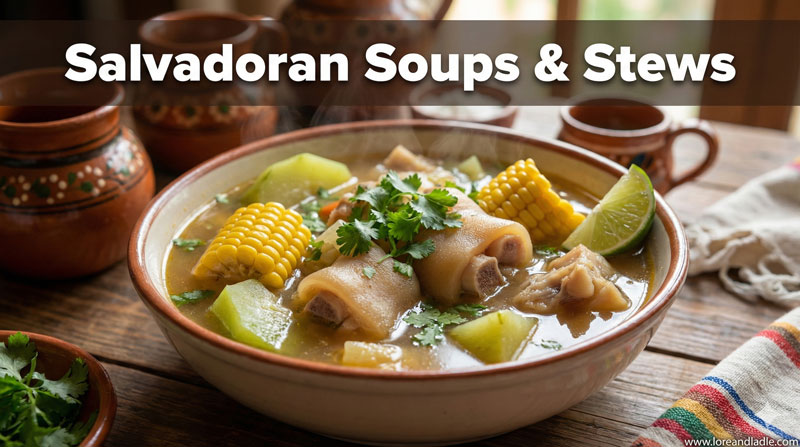
Sopa de res, a hearty Salvadoran beef soup, holds a warm place at many dinner tables. Its aroma fills the kitchen with promise, and its generous bowls invite lingering at the table. This post explores the cultural value and culinary significance of this classic dish, and it offers a simple path to making it at Home.
What is sopa de res?
Sopa de res is a comforting beef soup that glows with a rich, nourishing broth and a bounty of vegetables. It is built on a sturdy beef base, often using bone-in cuts that release depth and collagen into the stock. The result is a clear, flavorful soup that welcomes rustic textures and bright, fresh herbs. In Salvadoran cooking, the dish is a testament to patience and care in the kitchen, turning simple ingredients into something communal and enduring.
Key ingredients and their significance
- Beef shank or bone-in cuts: Provides flavor and a comforting, meaty backbone to the broth.
- Vegetables such as yuca (cassava), potatoes, corn on the cob, chayotes, and plantains: Each adds texture, sweetness, and color, reflecting the season and local markets.
- Aromatics like onion, garlic, and cilantro: Build the perfume that greets the senses as the pot warms.
- Salt, pepper, and citrus or fresh herbs at the end: Finish the dish with brightness and balance.
Families often adjust the mix of vegetables to reflect what’s fresh or preferred locally. The soup can showcase a farmer’s market haul or the vegetables already waiting in the kitchen, which makes each pot feel personal and connected to the day.
The cooking process and texture
- Begin with browning the beef to develop a deep, comforting aroma.
- Add water or stock, bring to a gentle simmer, and skim any foam for a clear broth.
- Simmer slowly to extract flavor and soften meat, which becomes tender and succulent.
- Introduce root vegetables and corn, letting them join the simmering melody.
- Finish with delicate greens or herbs, and a splash of lime or cilantro for lift.
The beauty of this dish lies in its patience. The long simmer smooths out edges, while the vegetables hold their identity, giving each bite a balance of broth, beef, and texture.
Serving traditions and cultural significance
Sopa de res is more than a meal; it is a ritual of sharing. It is commonly enjoyed with warm tortillas or a side of rice, accompanied by fresh cilantro, lime wedges, and a pinch of hot sauce for those who like a gentle kick. The act of serving a steaming bowl to a loved one communicates hospitality, care, and welcome. The dish often makes appearances on weekend tables, family gatherings, or celebratory meals, where the aroma travels through the home and invites conversation. Its presence on the table signals comfort, generosity, and a sense of belonging.
Regional variations and modern twists
Within Salvadoran kitchens, regional and family twists bring nuance to sopa de res. Some cooks add calabaza (pumpkin) for sweetness, while others favor extra root vegetables or a touch of cilantro chopped finely for brightness. Modern takes might present a lighter broth or incorporate a squeeze of lime at the end to brighten the finish. Yet the core remains the same: a hearty beef soup that nourishes, invites conversation, and honors every family’s daily ritual of gathering around food.
How to Make Sopa de Res at Home
How to Make sopa de res at home blends technique with affection for the dish. Start with choosing sturdy, bone-in beef to build a flavorful foundation. Brown the meat to color and aroma, then add water or stock and let it simmer gently. Skim foam as it rises to keep the broth clear. Add vegetables in stages: heartier roots first, then quick-cooking items so each piece reaches its ideal tenderness. Season gradually with salt and pepper, and finish with fresh cilantro or herbs. Serve hot with tortillas or rice, offering lime wedges for bright bursts of citrus. This approach preserves the dish’s character while inviting Home Cooks to make it their own.
Tips for home cooks
- Use bones or bone-in cuts to maximize depth and body in the broth.
- Do a gentle simmer and skim regularly to keep the stock clear and clean.
- Add delicate vegetables at the end to preserve texture and color.
- Taste as you go and adjust salt slowly; a final herbal finish can lift the dish beautifully.
Conclusion: A dish of warmth and shared meals
Sopa de res embodies the beauty of Salvadoran cooking: patient preparation, generous portions, bright finishes, and a true sense of hospitality. Its cultural value rests in how it gathers people, nourishes the body, and sparks conversation across generations. By making sopa de res at home, you invite a piece of Salvadoran culinary heritage into your kitchen, offering warmth, comfort, and a sense of belonging with every comforting bowl.