
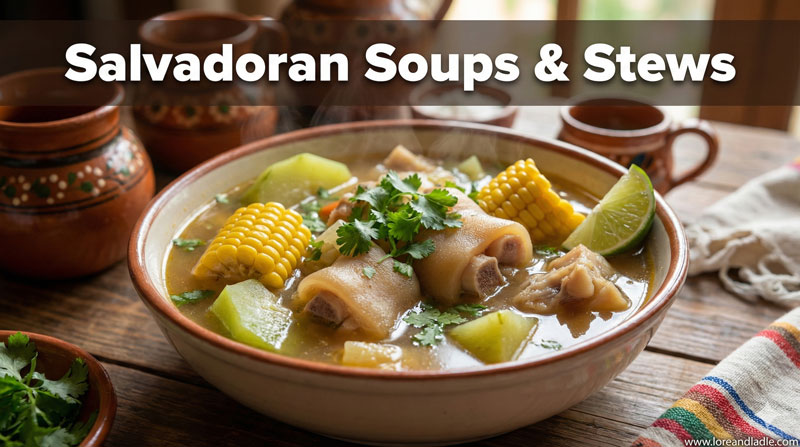
The Ultimate Guide to sopa de res, hearty Salvadoran beef soup for Beginners
Introduction
Sopa de res is more than a soup. It Is a warm, inviting ambassador of Salvadoran cooking. In a single pot, it celebrates home, family, and good ingredients. For beginners, this dish offers a friendly path into traditional flavors. The broth feels comforting yet bright, with tender beef and approachable vegetables. Each spoonful invites you to slow down and savor the culture behind the food.
Cultural Value in Salvadoran Kitchens
In Salvadoran kitchens, sopa de res often signals care and hospitality. It appears on family tables after a busy day, on Sundays, and during gatherings where friends share stories over steaming bowls. The process of making it mirrors daily life: selecting fresh produce at the market, tending a bubbling pot, and serving generous portions to loved ones. The dish teaches patience, balance, and respect for simple, high-quality ingredients. When friends and family gather around the pot, the aroma becomes a shared memory—an everyday celebration of togetherness and nourishment.
Classic Ingredients and Meaning
- Beef shank or bone-in beef: provides a rich, comforting broth as the bones release flavor and collagen.
- Corn on the cob: lends natural sweetness and gentle starch.
- Potatoes and carrots: add heartiness and color.
- Chayote or calabaza (pumpkin squash): lightens the mix with fresh texture.
- Onions and garlic: build a savory foundation.
- Cilantro and a bay leaf: offer brightness and aroma that lift the finished soup.
- Salt, pepper, oregano: simple seasonings that highlight the beef’s depth.
These ingredients are chosen for balance, texture, and warmth. They reflect a respect for seasonal produce and the ability of a few high-quality items to become something memorable. The result is a soup that feels rooted in daily life yet poised to comfort anyone who tastes it.
The Making: A Beginner’s Guide
- Prep: wash vegetables; cut corn into smaller portions if desired; trim the beef.
- Brown the beef: in a large pot, sear beef pieces to develop color and flavor.
- Begin the stock: cover the meat with water; bring to a gentle simmer. Skim any foam to keep the broth clear.
- Add aromatics: add onion, garlic, bay leaf, and oregano. Let the flavors mingle.
- Introduce vegetables: add corn, potatoes, carrots, and chayote or calabaza.
- Simmer slowly: cook until the meat is tender and the vegetables are soft. This often takes 1.5 to 2.5 hours, depending on the cut.
- Finish: season to taste, and stir in chopped cilantro just before serving.
- Serve: ladle into bowls and offer warm tortillas or white rice on the side.
The method emphasizes calm, attentive cooking. It rewards patience with a broth that feels both hearty and clear, and with vegetables that retain gentle bite.
Flavors, Textures, and Techniques
The charm of sopa de res lies in its balance. The broth should sing with depth from the beef’s collagen, yet stay bright from cilantro and aromatics. Soft potatoes and corn provide comforting textures, while carrots and squash give color and subtle sweetness. Technique matters: gentle simmering keeps the broth clean; occasional skim keeps it bright; finishing with fresh cilantro adds a finishing lift. The result is a soup that feels generous and refined at once.
Serving Traditions and Pairings
- Plate or bowl: present with a light, fragrant broth and a piece of tender beef.
- Sides: warm tortillas and a side of rice are classic companions.
- Garnishes: fresh cilantro, a squeeze of lime, and a dash of pepper brighten the dish at the table.
- Atmosphere: serving sopa de res with smiles and conversation enhances its cultural warmth.
Regional Variations and Modern Twists
Across Salvadoran kitchens, small twists appear with the seasons and pantry choices. Some cooks add yucca or green plantains for extra heartiness. Others include different root vegetables or swap herbs to suit taste. Variations keep the dish inclusive and adaptable while preserving its essence: a nourishing bowl built on beef, vegetables, and clear, comforting broth.
Tips for Beginners
- Choose a sturdy cut: beef shank or bone-in cuts render the most flavorful broth.
- Patience pays: longer, gentle simmering yields a richer stock and tender meat.
- Balance flavors: taste as you go; adjust salt toward the end for a clean finish.
- Freshness matters: use bright cilantro and fresh vegetables for the best aroma and color.
A Quick Flavor Map
- Depth: beef bones and long simmering.
- Brightness: cilantro, bay leaf, and onion.
- Comfort: corn, potatoes, and carrots.
- Balance: simple salt and pepper with oregano.
Conclusion
Sopa de res is a beautiful expression of Salvadoran food culture—simple ingredients, careful technique, and a warm welcome to the table. For beginners, it offers a gentle yet meaningful introduction to traditional cooking, where every bowl carries a story of home, care, and shared meals. Try this soup and discover how a humble pot can connect us to people, places, and the heart of a culture.