
Why Sotanghon Guisado Is a Must-Try Filipino Dish to try this year in the U.S.
In every kitchen, a simple dish can carry a warm memory. Sotanghon guisado is one of those dishes. It blends delicate noodles with bold flavors, and it arrives on the table with a comforting aroma and a bright, satisfying finish. Why Sotanghon Guisado Is a Must-Try Filipino Dish to try this year in the U.S. invites you to pause, notice the textures, and taste a balance of savoriness and subtle sweetness. The dish is easy to adapt, friendly to different diets, and generous in spirit. It invites conversation, sharing, and a little bit of kitchen improvisation—traits that many home cooks value on busy evenings as well as leisurely weekends.
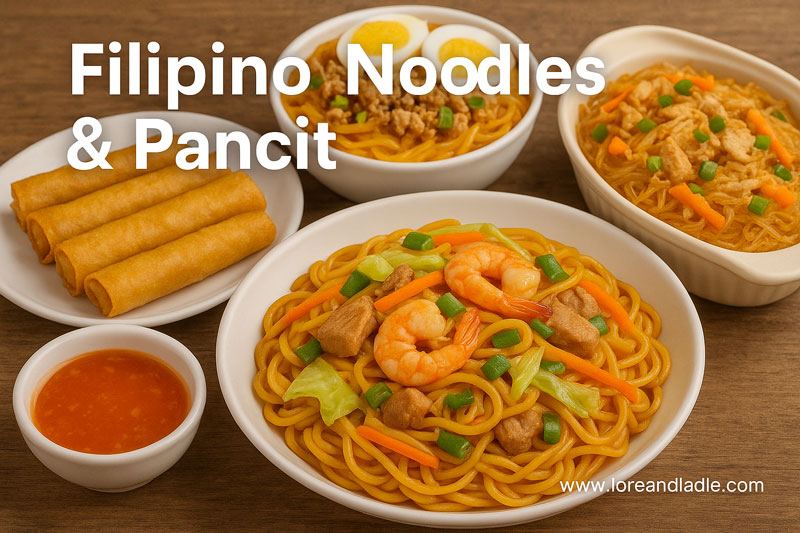
A bowl of sotanghon guisado typically features glassy, translucent noodles tossed with garlic, onion, and a savory sauce. The noodles, made from mung bean starch, offer a light, springy bite that contrasts nicely with tender pieces of chicken, pork, shrimp, or tofu. Crunchy vegetables such as carrots, cabbage, and bell peppers add color and firmness, while mushrooms deepen the umami. The result is a dish that feels both homey and refined, suitable for weeknights and special gatherings alike. Why Sotanghon Guisado Is a Must-Try Filipino Dish to try this year in the U.S. reminds us that great meals can come from simple ingredients, prepared with care and shared with others.
The beauty of this dish lies not only in its flavors but in its versatility. It is a cooking canvas that welcomes substitutions and personal touches. You can adjust it to your pantry, your dietary needs, and the season. Its core remains straightforward: sauté aromatics, introduce protein, add vegetables, fold in soaked or lightly cooked noodles, then finish with a balanced sauce. This simplicity makes it approachable for cooks at any level, while its small details—garlic that’s just kissed with color, noodles that cling to a delicate glaze, vegetables with a crisp edge—remain memorable.
Understanding Sotanghon and Guisado: What It Is and How It Differs
Sotanghon refers to the thin glass noodles made from mung bean starch. They cook quickly and take on the flavors of the dish they join. Guisado is the Spanish-influenced Filipino term for a dish that is stir-fried or sautéed with aromatics and sauce. When these two ideas meet, you get a dish that feels bright and balanced: a stir-fry with a delicate noodle that carries its own light texture.
In many homes, sotanghon guisado is a practical meal. It uses affordable ingredients, stretches one protein to feed several, and comes together in a single pan. Yet it remains inviting and somewhat celebratory, especially when bright vegetables and a glossy sauce shine in the pan. The dish’s charm comes from its harmony—no single element dominates. Instead, each bite offers a piece of the whole: the noodles’ soft bite, the protein’s tenderness, and the vegetables’ crisp sweetness.
Flavors and Textures: A Sensory Snapshot
- Textures: The noodles are springy and slippery in a pleasant way, offering contrast to crisp carrots, cabbage, and peppers. When mushrooms are added, they contribute an earthy softness that complements the protein. The overall texture profile feels balanced, never mushy and never dry.
- Flavors: The base leans savory and umami-forward. Garlic and onions provide a fragrant foundation. Soy sauce or tamari adds depth and a gentle saltiness. A touch of sweetness from a hint of sugar or carrot can round the edges. If available, a splash of oyster sauce or a dash of fish sauce can deepen the savory notes, while a squeeze of citrus at the end adds brightness.
- Aromas: Sautéed aromatics fill the kitchen with warmth. The scent is inviting but not overpowering, signaling a meal that is comforting and refreshing at the same time.
- Visuals: The dish shines with color—pale noodles glistening beneath a bed of vegetables and protein. A finishing garnish of green onions or sesame seeds can add a final, fresh note.
Why Sotanghon Guisado Is a Must-Try Filipino Dish to try this year in the U.S. highlights how flavor, texture, and aroma come together in a way that feels both everyday and special. It is a dish that invites careful attention to balance—how much soy, how crisp the vegetables, how tender the protein—without demanding expert technique.
Occasions and Ways to Enjoy It
- Everyday meals: This dish fits into a weeknight dinner plan. Quick to prepare when you keep a few Pantry Staples on hand, it offers nourishment without fuss.
- Family gatherings: When extended family visits, sotanghon guisado can feed many with generous portions. It presents well on a shared table and pairs nicely with a few side dishes.
- Potlucks and casual celebrations: A dish that travels well in the fridge and reheats with minimal loss of texture. It’s always a welcome addition and can be served alongside rice or crusty bread.
- Lunchbox option: Leftovers can be packed for lunch, maintaining flavor and texture when gently reheated.
- Practical comfort: On cooler days, a light, savory plate like this provides warmth and satisfaction without heaviness.
Ways people enjoy it vary, but common threads hold steady. Some savor it with a squeeze of calamansi or lemon for acidity. Others sprinkle fried garlic bits on top for extra crunch and aroma. A guest may prefer extra vegetables for a brighter bite, while another enjoys a simple version with just protein and noodles to highlight the sauce. The adaptability of this dish—its easy customization without losing its character—adds to its appeal in the U.S. and beyond.
High-Level Recipe Ideas: Building a Sotanghon Guisado
As you think about a meal, consider these high-level ideas to shape your sotanghon guisado:
- Protein options: Chicken, pork, shrimp, or tofu all work well. Slice into bite-sized pieces so they cook evenly and join with the noodles rather than overpower them.
- Aromatics: Start with garlic and onion for a familiar base. Ginger can add a subtle lift if you like a slightly different aroma.
- Vegetables: Carrots, cabbage, bell peppers, and mushrooms offer satisfying texture and color. You can swap in snap beans, bok choy, or snow peas based on what you have.
- Noodles and texture: Soaked sotanghon or short-cooked noodles can be used. They should be tender but still springy.
- Sauce balance: A simple blend of soy sauce, a touch of sugar, and a splash of broth or water creates a glossy sauce that coats the noodles. Oyster sauce or fish sauce optional accents deepen the savory notes.
- Finishes: Finish with a bright element, like lime or calamansi juice, and a sprinkle of green onions or sesame seeds for color and aroma.
Keep the cooking approach flexible: start with aromatics, add protein, then vegetables, toss in the noodles, and pour in the sauce. Stir gently so the noodles don’t break, and adjust the balance to taste. The goal is a harmonious plate where every component is visible, yet none is overpowering.
A Short Guide to Variations and Personal Touches
- Vegetarian or vegan version: Use tofu or mushrooms as the protein, and rely on a robust vegetable mix for texture and flavor. A dash of mushroom soy or a touch of miso can add depth.
- Heat level: Offer a gentle kick with a small amount of chili or a hot sauce on the side for those who want it, while keeping a milder version for others.
- Regional twists: Some kitchens like to add shredded cabbage for extra crunch, or toss in a few peas for color. One family may prefer a slightly sweeter finish, while another leans toward a crisp, savory glaze.
- Gluten considerations: If gluten is a concern, choose a gluten-free soy or tamari and check other ingredients for gluten content. The dish remains adaptable without losing its essence.
- Presentation: A bright garnish of scallions, sesame seeds, or a few cilantro leaves can lift the dish visually and in aroma.
Why Sotanghon Guisado Is a Must-Try Filipino Dish to try this year in the U.S. invites cooks to think of it as more than a recipe. It’s a way to observe how ingredients talk to one another, how textures interact, and how a single pan can feed a moment of togetherness.
In the U.S.: Access to Ingredients and Friendly Adaptations
Finding sotanghon noodles in the United States is easier than ever. Asian grocery stores and well-stocked supermarkets commonly carry mung bean thread noodles. If they’re not available, look for similar glass noodles or even rice vermicelli as a substitute, keeping in mind that textures differ slightly. For the sauce and aromatics, ordinary pantry items—soy sauce, garlic, onion, and a bit of sugar—are usually within reach.
Adapting the dish to what’s fresh in your market is part of the charm. In some seasons, you might add peppers of different colors for extra sweetness and crunch. In others, mushrooms or snow peas can be the star of the vegetable mix. The essence of Why Sotanghon Guisado Is a Must-Try Filipino Dish to try this year in the U.S. remains unchanged: the dish invites practical creativity while maintaining a comforting core.
If you want a protein-forward version for a crowd that prefers meat, you can pre-cook chicken or pork with a simple marinade and then fold it into the dish. If you’re aiming for a lighter option, extra vegetables and a smaller portion of noodles will still carry the signature flavor.
Why Sotanghon Guisado Is a Must-Try Filipino Dish to try this year in the U.S.
In closing, Why Sotanghon Guisado Is a Must-Try Filipino Dish to try this year in the U.S. celebrates a dish that is approachable, adaptable, and gently adventurous. It welcomes cooks who enjoy a straightforward method and diners who appreciate a dish that feels both familiar and new. The combination of springy noodles, savory sauce, and colorful vegetables offers a balanced experience that can suit everyday meals or special-occasion tables. It is a dish that respects tradition while inviting personal touches, and it travels well into kitchens across the United States.
The dish’s strength lies in its simplicity and generosity. It is not hurried wealth of flavor, but rather a steady, confident blend that makes people pause and savor the moment. Sharing sotanghon guisado can become a small ritual—plates passed, stories exchanged, and a sense of belonging built around a warm, nourishing meal. If you are exploring Filipino cuisine this year in the U.S., this dish provides a gentle, flavorful entry point that many home cooks find accessible and satisfying.
Closing Reflections: A Gentle Invitation to the Table
Sotanghon guisado invites patience and care. It rewards people who take a moment to balance flavors and textures, and it welcomes improvisation without complicating the process. The dish’s warmth and versatility make it a welcoming entry into Filipino cooking for households, friends, and neighbors in the United States. Why Sotanghon Guisado Is a Must-Try Filipino Dish to try this year in the U.S. is a reminder that cooking can be a quiet joy—an opportunity to connect over something delicious and comforting. Whether you prepare it for a family dinner, share it at a casual gathering, or simply enjoy it as a quick weeknight meal, sotanghon guisado holds a place of friendly familiarity on the table.
If you read this through and feel inspired to try, you’ll discover a dish that invites you to savor the present moment: the aroma, the color, the textures, and the conversation that happens around a pot of well-made noodles. Why Sotanghon Guisado Is a Must-Try Filipino Dish to try this year in the U.S. remains a useful reminder that good meals bring people together, one tasty bite at a time.