
Why Sotanghon Guisado Is a Must-Try Filipino Dish to try this year in the U.S.
Sotanghon guisado shines in a kitchen with equal parts comfort and brightness. It is a dish that welcomes a busy week and a relaxed weekend alike. In the United States, it offers a gentle bridge between familiar flavors and new textures. The dish uses glass noodles, vegetables, and a savory sauce to create a balance that feels light yet satisfying. Why Sotanghon Guisado Is a Must-Try Filipino Dish to try this year in the U.S. because it invites home cooking to be both easy and flavorful. It is approachable for beginners and flexible for seasoned cooks.
This dish centers on sotanghon, the glass noodles that soak up flavors while staying soft and pleasantly chewy. The sauce blends soy, garlic, and onions with a touch of sweetness and salt. Add a protein if you like, or keep it vegetarian. The result is a luminous pan of noodles that glisten with color from vegetables and the aroma of sesame and garlic. The beauty of sotanghon guisado lies in its simplicity and its ability to adapt to what you have on hand. It invites you to mix textures, from crisp vegetables to tender noodles, in a single, satisfying bite.
What Sotanghon Guisado Is
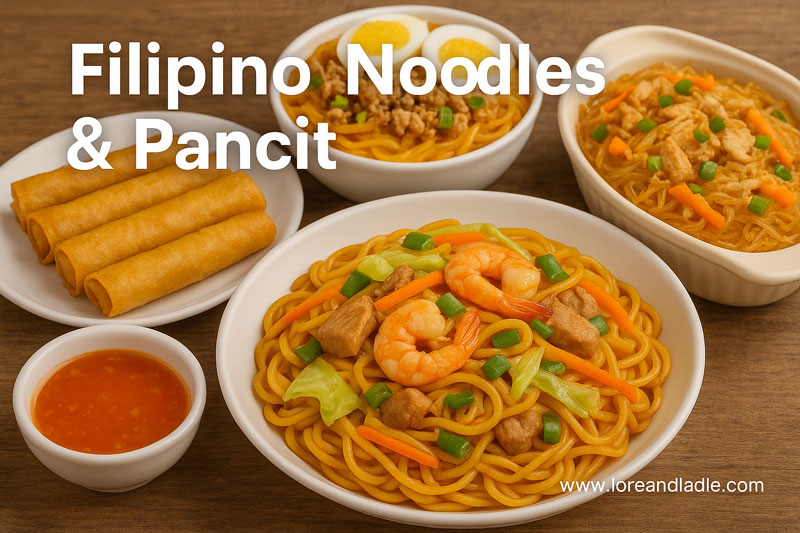
Sotanghon guisado is a stir-fried dish that balances elements found in many Filipino kitchens. The main component is thin glass noodles, or sotanghon, which absorb flavors without becoming mushy. Alongside the noodles, you usually find sliced onions, minced garlic, and a protein such as chicken, pork, or shrimp. Vegetables vary, but common choices include cabbage, carrots, mushrooms, and sometimes snow peas or peppers. The sauce brings depth with soy sauce, a splash of fish sauce or oyster sauce, and a bit of sugar. A finishing drizzle of sesame oil can add a gentle warmth.
This dish is not about exact measurements or ritual steps. It is about feeling the pan, tasting as you go, and adjusting to what you prefer. The texture is key: the noodles are soft but not limp, the vegetables retain bite, and the protein is tender. The color comes from the vegetables—greens, pale whites, and orange or yellow accents—that make the dish inviting on the plate. Why Sotanghon Guisado Is a Must-Try Filipino Dish to try this year in the U.S. is because it invites you to explore a simple, satisfying way to combine pantry items into a complete meal.
Flavor, Texture, and Balance
The flavor spectrum of sotanghon guisado is gentle on the palate but full in the mouth. You taste savory garlic and onion first, then the soy’s savory depth, with a hint of sweetness that rounds the edge. If a protein is included, its flavor becomes a part of the overall harmony rather than a separate note. When vegetables are crisp-tresh, they add a fresh crunch that contrasts with the soft noodles.
Texture plays a major role. The glass noodles are slick and slippery at first bite but stay resilient enough to hold their shape. Vegetables provide crispness, while any meat or shrimp offers a tender bite. The combination of soft noodles, crunchy vegetables, and a savory sauce makes the dish feel balanced and complete. A touch of citrus, if you choose to add it, brightens the plate without overpowering the other flavors. You can make it richer with a light sesame oil finish or keep it simple with a clean, soy-forward taste. The result is comforting and crisp at the same time.
Why Sotanghon Guisado Is a Must-Try Filipino Dish to try this year in the U.S. because it demonstrates how a few familiar steps and a handful of ingredients can create a dish that feels both everyday and special. The dish rewards careful sizzling, not hurry, and tasting along the way to reach the right balance of salt, sweetness, and aroma.
Cultural Value and Traditions
Sotanghon guisado carries a sense of home and shared meals. It is a dish that families often prepare when they want something bright and quick after a long day. It supports gatherings where multiple family members contribute ingredients or flavors, turning a simple stir-fry into a collaborative meal. The dish also represents careful kitchen craft: it respects ingredients, uses a sensible cooking method, and honors flavors that are familiar to many cooks.
In many kitchens, this dish is a reliable option for weeknights, and it also serves as a dependable choice for weekend gatherings. It travels well to potlucks and community meals because it is easy to portion and easy to reheat. The act of cooking sotanghon guisado becomes a small ritual—setting the garlic to sizzle, tossing in the vegetables, and watching the noodles soften and mingle with the sauce. The result is not just sustenance; it is a shared moment of cooking and eating together.
The dish also reflects the importance of balance in Filipino cooking. It shows how a few ingredients, prepared with care, can combine into something greater than the sum of its parts. The practice of tasting and adjusting, of balancing salty, sweet, and savory notes, is a gentle reflection of daily life. Why Sotanghon Guisado Is a Must-Try Filipino Dish to try this year in the U.S. is not about spectacle; it is about the everyday beauty of home cooking done well and shared with others.
Occasions and Ways People Enjoy It
This dish fits many settings. It can be a weekday supper that feels special enough to serve to guests without extra effort. It works well as part of a larger meal with rice, another vegetable dish, and perhaps a light soup. It is equally at Home as a standalone plate when you want something quick, bright, and satisfying.
For celebrations or simple gatherings, sotanghon guisado offers a flexible canvas. You can customize proteins to fit dietary preferences, incorporate seasonal vegetables, or add a splash of hot sauce for heat. Some families rotate through different versions, such as chicken with mushrooms, shrimp with snow peas, or a meatless version with tofu and a colorful mix of peppers. The dish adapts to the moment, the season, and what’s in the pantry. This adaptability makes it a favorite in many households.
In the United States, people often pair this dish with a side of rice and a light, refreshing salad or pickled vegetables. The combination of warm noodles and crisp sides can elevate the meal without complicating it. Why Sotanghon Guisado Is a Must-Try Filipino Dish to try this year in the U.S. appears here again as a reminder that the dish can be a centerpiece or a supporting star depending on your plan for the table.
High-Level Recipe Ideas
- Classic chicken and mushroom sotanghon guisado: tender chicken, sliced mushrooms, cabbage, carrots, garlic, onions, and a soy-based sauce.
- Shrimp and tofu version: shrimp for a gentle seafood note, tofu for protein and texture, plus a vibrant mix of vegetables.
- Vegetarian version: mixed mushrooms, bell peppers, snap peas, shredded cabbage, and a light sesame-ginger touch.
- Spicy option: a bit of chili or hot sauce added to the sauce for warmth without overwhelming the dish.
- Nutty finish: a small sprinkle of toasted sesame seeds and a drizzle of sesame oil to finish.
- Fresh finish: a squeeze of lime or calamansi for brightness after cooking.
These ideas are meant to inspire. They offer a sense of direction without turning cooking into a strict set of steps. The focus remains on flavors, textures, and the joy of creating a complete meal with simple ingredients.
In the U.S.: Shopping, Substitutions, and Modern Takes
Finding ingredients in the United States is usually straightforward. Look for sotanghon noodles in Asian markets or well-stocked grocery stores. Basic Pantry Staples—garlic, onions, soy sauce, and vegetable oil—are common in most kitchens. If you want a quicker version, you can substitute other thin noodles or rice vermicelli that hold the sauce well. Fish sauce or oyster sauce adds depth, but they can be omitted for a milder, more family-friendly flavor.
Seasonal vegetables offer room to experiment. Carrots, cabbage, and mushrooms are reliable choices, while peppers or snap peas add color and crunch. For a heartier dish, chicken or shrimp are excellent additions; for a lighter version, tofu or just vegetables work beautifully. Why Sotanghon Guisado Is a Must-Try Filipino Dish to try this year in the U.S. invites cooks to adapt with care and to enjoy the process of finding new favorites within a familiar framework.
Serving Tips and Leftovers
Serve sotanghon guisado with white rice or a simple side salad. A light squeeze of citrus can brighten the dish after plating. If you have leftovers, store them in a covered container and reheat gently on the stovetop or in a quick pan-fry to restore some of the original texture. The noodles may soften a bit with time, but careful reheating can bring back a pleasant chew.
Leftovers can become the base for a fresh remix: add a new vegetable, switch proteins, or top with toasted sesame seeds for a different finish. This adaptability makes the dish useful for a busy household that values variety without waste.
Final Thoughts
Why Sotanghon Guisado Is a Must-Try Filipino Dish to try this year in the U.S. is more than a flavor note. It is a dish that honors everyday cooking, celebrates a balance of textures, and invites sharing. It offers simplicity without sacrificing depth, and it travels well in a kitchen that values both speed and sincerity. The dish is a gentle introduction to Filipino flavors for new cooks and a reliable staple for seasoned cooks who want a bright, flexible, and comforting meal.
In the end, sotanghon guisado is easy to love. It combines familiar pantry ingredients with a touch of culinary patience. It proves that a small team of ingredients—noodles, vegetables, and a sauce—can bring joy to a family table. The dish stands up to a casual weeknight, shines at a weekend gathering, and remains inviting for anyone who wants to try something new yet comforting. If you are looking for a dish that embodies warmth, balance, and approachable cooking, sotanghon guisado deserves a place on your table this year. Why Sotanghon Guisado Is a Must-Try Filipino Dish to try this year in the U.S. is a reminder that good meals can be simple, vibrant, and deeply satisfying.