
Why Sotanghon Guisado Is a Must-Try Filipino Dish to try this year in the U.S.
There is a quiet confidence in a well-made sotanghon guisado. The dish brings a gentle balance of textures and flavors that feel both comforting and fresh. Sotanghon guisado features glass noodles that soak up the savory sauce, crisp vegetables, and tender bites of chicken or other proteins. It invites lingering at the table, with everyone savoring the way the flavors meld without overwhelming the palate. For home cooks in the United States, this dish offers a welcoming way to explore Filipino flavors using ingredients found in local markets and Pantry Staples. Why Sotanghon Guisado Is a Must-Try Filipino Dish to try this year in the U.S. becomes clear when you notice how easily you can adapt it to your preferences while keeping the essence of the dish intact.
The stir-fry process keeps things simple and musical. A quick bloom of garlic and onion opens the aroma, while a light sauce brings depth without heaviness. The noodles release a soft chew, giving way to crisp vegetables and tender chicken in every bite. It is not flashy, and that is part of its strength. The dish stands as a warm reminder that everyday meals can still be flavorful and satisfying. Why Sotanghon Guisado Is a Must-Try Filipino Dish to try this year in the U.S. appears again as a gentle invitation: try this dish and discover how a few well-chosen ingredients can carry a world of comfort.
What Sotanghon Guisado Is and How It Speaks to Filipino Flavor
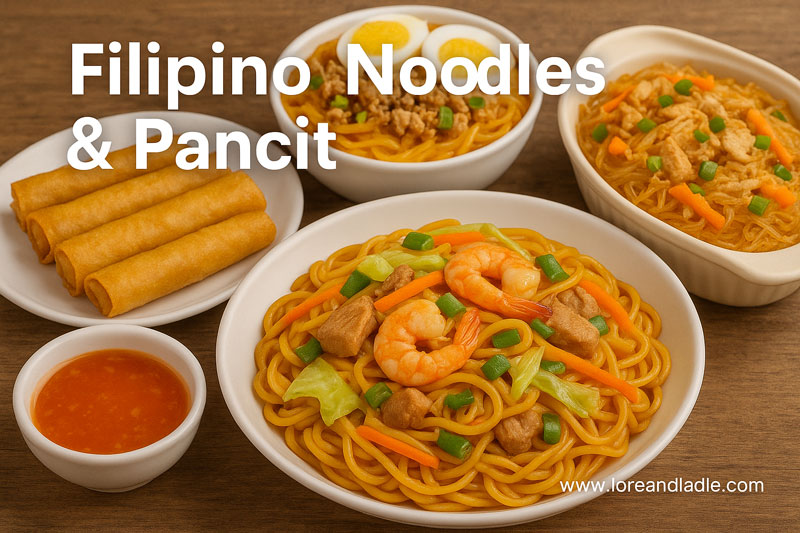
Sotanghon, or glass noodles, are the backbone of this dish. They are light, almost delicate, and they hold a glossy sheen when tossed with a glossy sauce. The flavor profile leans toward savoriness with a touch of sweetness, often aided by soy sauce, a hint of fish sauce, and sometimes oyster sauce. The dish typically includes protein, such as chicken, and an assortment of vegetables like cabbage, carrots, and mushrooms. The result is a harmony of umami, freshness, and a mild sweetness that makes it accessible to a wide audience.
In Filipino cooking, balance reigns. The dish aims to be comforting without being heavy, bright without being sharp. The garlic and onion create a fragrance that welcomes the senses, while sesame oil or other finishing oils can add a subtle, toasty note. The vegetables contribute color and crunch, which keeps the mouth engaged through each forkful. Why Sotanghon Guisado Is a Must-Try Filipino Dish to try this year in the U.S. reinforces this idea: a simple, well-composed dish can feel celebratory without requiring elaborate technique.
Texture and Color: A Play of Noodles, Veggies, and Protein
Texture is central to sotanghon guisado. The glass noodles are soft and slightly elastic, an inviting bite that contrasts with the crispness of cabbage and carrots. Mushrooms add a gentle bite that echoes the meat’s tenderness, and the protein—usually chicken—offers a mild, comforting flavor that blends with the sauce rather than competing with it.
Color also matters. The pale noodles glow under a glossy sauce, while greens from scallions or bok choy or cabbage brighten the plate. Orange from carrots and the brown tones from mushrooms create a visual rhythm that makes the dish appealing on the plate and in the bowl. Why Sotanghon Guisado Is a Must-Try Filipino Dish to try this year in the U.S. often appears in home menus because of this inviting combination of color and texture, which encourages slow, mindful eating rather than rush and repetition.
Key Characteristics That Define This Dish
- Glass noodles as the backbone: Delicate, quick-cooking, and capable of soaking up sauces.
- A balanced savory-sweet profile: Soy sauce provides depth; a touch of sugar or natural sweetness from vegetables lifts the dish.
- Aromatic fundamentals: Garlic and onion provide a fragrant base, with optional fish sauce or oyster sauce adding depth.
- A flexible protein core: Chicken is common, but shrimp, pork, or tofu can fit in without changing the spirit of the dish.
- Crisp, bright vegetables: Carrots, cabbage, bell peppers, and mushrooms contribute texture and color.
- A light, glossy sauce: The sauce coats the noodles evenly, giving shine and savor in every bite.
- Quick execution: Everything comes together in a short, steady stir-fry that keeps noodles from overcooking.
- Comfort in a bowl: The dish is easy to portion, share, and enjoy over a casual meal or a late supper.
Why Sotanghon Guisado Is a Must-Try Filipino Dish to try this year in the U.S. is reinforced by how these characteristics work together so neatly. The dish is approachable, but not bland; familiar, yet capable of refinement with small changes.
Occasions and Everyday Comfort
This dish fits a wide range of occasions. It works as a weeknight dinner when time is short, because the ingredients come together quickly and the cooking method is straightforward. It also suits casual gatherings where guests appreciate a savory, nourishing option that isn’t heavy or complicated.
For weekend lunches, sotanghon guisado can be the star or part of a multi-dish spread. It pairs well with a simple side like fried garlic rice or a light cucumber salad, creating a balanced plate. In colder weather, a bowl of sotanghon guisado brings warmth through its savory aroma and comforting texture. The dish also lends itself to family traditions of cooking together, where different family members can contribute toppings, vegetables, or protein choices, turning the meal into a small, shared ceremony of cooking and eating. Why Sotanghon Guisado Is a Must-Try Filipino Dish to try this year in the U.S. makes the case again for a dish that can adapt to the moment, mood, and crowd.
Ways People Enjoy It: Variations and Personal Touches
- Protein choices: Chicken is classic, but you can use shrimp, pork, or firm tofu for a meatless version.
- Vegetable riffs: Cabbage, carrots, bell peppers, and mushrooms are common; additions like spinach or snow peas can brighten the dish.
- Sauce depth: Soy sauce provides salt and savor; fish sauce adds a gentle oceanic note; oyster sauce offers sweetness and body; a touch of sugar balances heat or spice.
- Finishing touches: A splash of sesame oil, chopped scallions, or crushed fried garlic adds aroma and texture.
- Accompaniments: A squeeze of lime or calamansi can brighten the dish at the table, and a side of crisp vegetable salad can provide a refreshing contrast.
- Heat level: A little chili or a pepper blend lets you tailor the heat while preserving the dish’s core flavors.
In each variation, Why Sotanghon Guisado Is a Must-Try Filipino Dish to try this year in the U.S. is reinforced by how flexible and forgiving the dish can be, inviting cooks to bring in what they have and what they enjoy.
High-Level Recipe Ideas for Home Cooks
- Classic Chicken and Mushroom Sotanghon Guisado: Chicken sliced thin, mushrooms, cabbage, carrots, garlic, onion, soy sauce, and oyster or fish sauce with glass noodles.
- Shrimp and Veggie Version: Use shrimp with crisp vegetables; finish with a touch of sesame oil and scallions.
- Vegetarian/Tofu Version: Replace meat with firm tofu or extra mushrooms; keep the sauce bright with soy and a hint of sugar.
- Spicy-Umami Variation: Add a small amount of chili paste or fresh chilies and a dash of mushroom broth to deepen the flavor.
- Citrus-Bright Version: Finish with a squeeze of lime or calamansi to lift the richness without overpowering the dish.
- Nutty Touch: Sprinkle crushed peanuts or sesame seeds for a gentle crunch.
These ideas offer a versatile approach to home cooking. Why Sotanghon Guisado Is a Must-Try Filipino Dish to try this year in the U.S. can be a practical guide for menu planning and improvisation.
Cultural Value: Hospitality on the Table
Sotanghon guisado reflects a spirit of hospitality. The dish invites sharing, conversation, and a sense of welcome. It is common for a family to prepare a large skillet rather than just a small portion, inviting others to enjoy a dish that speaks of care and attention. The preparation itself can be a teaching moment for younger cooks, showing how flavors build gradually and how texture matters as much as taste.
The dish also carries a sense of belonging. It is common to see sotanghon guisado featured in casual gatherings and regular family meals, providing a sense of continuity and comfort. In homes across the country, it becomes a shared memory—effortless to prepare, satisfying to eat, and meaningful in its everyday presence. Why Sotanghon Guisado Is a Must-Try Filipino Dish to try this year in the U.S. becomes part of a broader narrative about home cooking traditions, where meals are a form of care and connection.
Flavor Pairings and Texture Combinations
- Side dishes: A light cucumber salad or a simple green salad can offer a refreshing counterpoint to the warm, savory noodles.
- Beverages: A lightly sweetened iced tea or a citrus-infused water can cleanse the palate between bites.
- Plate balance: Include a proteinful dish and a separate vegetable dish to create a well-rounded meal plan.
- Garnishes: Fresh scallions or cilantro add brightness, while sesame seeds offer a subtle nutty note.
These pairings keep the meal balanced and enjoyable, without distorting the dish’s simplicity and charm. Why Sotanghon Guisado Is a Must-Try Filipino Dish to try this year in the U.S. remains a helpful reminder that good flavor can come from a straightforward approach.
A Simple Roadmap for a Balanced Plate
- Start with the core: glass noodles tossed with a savory, soy-based sauce.
- Add protein: chicken or an alternative that suits your preference.
- Layer vegetables: choose a mix of crisp and tender greens for texture.
- Finish with a bright note: a squeeze of citrus or a light drizzle of finishing oil.
- Keep the heat in check: adjust spice to suit your guests and your own taste.
A balanced plate respects the dish’s essence while accommodating personal preferences. The result is a meal that feels cohesive and inviting to everyone at the table. Why Sotanghon Guisado Is a Must-Try Filipino Dish to try this year in the U.S. can be part of your kitchen routine as you explore new flavors without sacrificing familiarity.
Why the Dish Feels Modern in U.S. Kitchens
In modern kitchens, sotanghon guisado can live alongside other everyday dishes. The ingredients are accessible in many grocery stores, and the method is straightforward enough for busy days. The dish adapts to contemporary tastes—lighter sauces, more vegetables, and flexible protein options—without losing its Filipino identity. It fits well with both casual family dinners and small, relaxed gatherings with friends. The result is a dish that feels timeless and current at once, a good fit for kitchens that value both tradition and experimentation. Why Sotanghon Guisado Is a Must-Try Filipino Dish to try this year in the U.S. captures this sense: it is both familiar and adaptable.
Final Reflections: Why Sotanghon Guisado Is a Must-Try Filipino Dish to try this year in the U.S.
This dish invites curiosity without complicating the cooking process. It teaches patience in the gentle softening of noodles and the careful layering of flavors. It offers comfort in its warmth and practicality in its preparation. It celebrates a sense of home on a plate, where every bite carries a story of simple ingredients transformed by technique and care. Why Sotanghon Guisado Is a Must-Try Filipino Dish to try this year in the U.S. is not a claim of grandeur, but a recognition of an everyday dish that can bring people together around a shared meal. It invites you to experiment, to listen to your pantry, and to savor the balance of textures and flavors that make this dish special. If you are seeking a reliable, tasty introduction to Filipino flavors, this dish remains a thoughtful choice—an everyday delight that travels well from kitchen to table in homes across the United States.