
Why Sotanghon Guisado Is a Must-Try Filipino Dish to try this year in the U.S.
Sotanghon guisado shines in the Filipino kitchen for its simplicity and heart. It brings together glass noodles, vegetables, and a choice of protein in a quick, one-pan preparation. In the United States, it offers a familiar comfort with a gentle, unfamiliar twist at the same time. The dish invites cooks of all levels to create something fresh without heavy fuss. You can find it in many home kitchens, street-side stalls, and family gatherings, where the scent of garlic, soy, and a kiss of sesame fills the air. Why Sotanghon Guisado Is a Must-Try Filipino Dish to try this year in the U.S. captures the balance of ease and depth that this dish delivers. It is a reminder that flavor does not always require a long simmer or a long list of ingredients.
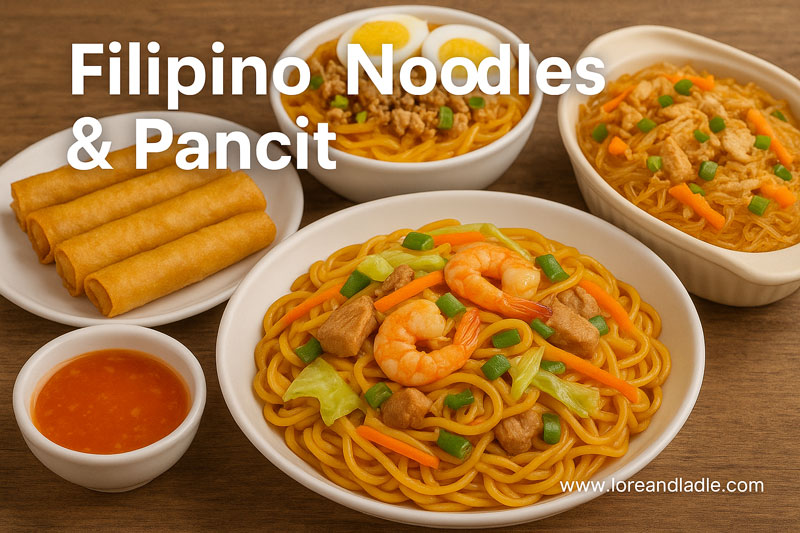
In its most beloved form, sotanghon guisado presents a slender, almost translucent noodle base that carries the flavors of the pan. The texture contrast is immediate: mellow, silky noodles mingling with crisp-tried vegetables and a tender protein. The taste profile leans savory and bright at the same time. A little soy sauce or fish sauce adds depth, while garlic and onion give warmth. A light drizzle of sesame oil or a squeeze of lime can lift the dish without overpowering it. Why Sotanghon Guisado Is a Must-Try Filipino Dish to try this year in the U.S. appears as a gentle invitation to explore a dish that feels both everyday and special, a reliable option for weeknights and a welcome star at weekend meals.
The beauty of this dish lies in its flexibility. You can shape it around what you have on hand and what your guests enjoy. The noodles soak up sauces and aromatics so well that even modest ingredients take on new life. The result is a plate that looks breezy but tastes satisfying. In the U.S., you may find sotanghon guisado in family kitchens alongside other quick stir-fries, each adding its own regional touch. Why Sotanghon Guisado Is a Must-Try Filipino Dish to try this year in the U.S. serves as a reminder that simple cooking can carry culture, care, and a shared smile across a table.
Flavor Profile and Texture: A Gentle Harmony
Flavor comes first in sotanghon guisado. The garlic aroma greets you, followed by a subtle sweetness from the onions and carrots and a salty, savory note from soy or fish sauce. The noodles soak in those flavors without losing their delicate character. For texture, think of a soft-yet-substantial bite from the noodles, crisp-tender vegetables, and the tender bite of meat or tofu. The overall balance is comfortable and inviting, not too bold, not too plain. The dish leaves room for bright accents added at the end, such as scallions, sesame seeds, or a squeeze of citrus. Why Sotanghon Guisado Is a Must-Try Filipino Dish to try this year in the U.S. often marks the moment when flavors feel both familiar and explorative, a gentle flip from plain to welcoming.
The sauce is typically a light, glossy coating rather than a heavy glaze. A mix of soy sauce, a touch of fish sauce or oyster sauce, and a hint of pepper creates a balanced base. If you prefer a hint of sweetness, a small amount of brown sugar or mirin can round the edges. A splash of sesame oil or a dash of chili flakes can introduce warmth or a gentle heat, depending on the cook’s mood. The texture remains crisp and bright, while the noodles keep their own tenderness. Why Sotanghon Guisado Is a Must-Try Filipino Dish to try this year in the U.S. highlights how a simple, well-balanced sauce makes every bite feel confident and complete.
Core Ingredients and High-Level Variations
Sotanghon guisado centers on glass noodles, meat or plant-based protein, and a variety of vegetables. Common proteins include shredded chicken, ground pork, shrimp, or firm tofu for a vegetarian option. Vegetables such as carrots, green beans, mushrooms, cabbage, and onions provide color, texture, and crunch. The flavor base usually features garlic, onion, soy sauce, and a splash of fish sauce or salt. Optional ingredients like sesame oil, oyster sauce, or a hint of sugar add depth. You can also finish with chopped scallions, fried shallots, or crushed peanuts for extra texture and aroma.
In the United States, cooks often adapt this dish to what they enjoy or what is on hand. For a lighter version, you might emphasize vegetables and keep the protein minimal. For a heartier rendition, you can add more protein and a few heartier vegetables. If you seek a vegetarian approach, tofu or tempeh works beautifully, especially when you give them a quick sear before tossing with the noodles. Why Sotanghon Guisado Is a Must-Try Filipino Dish to try this year in the U.S. remains a helpful reminder that the dish welcomes experimentation while keeping its core spirit: quick, balanced, and comforting.
High-level ideas for variation include swapping in different vegetables to reflect the season, such as bell peppers, snow peas, or baby corn. Some cooks introduce a touch of citrus zest or juice to brighten the dish at the end. A light sprinkle of toasted sesame seeds adds aroma and texture. The sauce can be tuned with more soy for a deeper savor or with a touch of sweetness to echo regional tastes. The aim is to keep the dish cohesive, so flavors stay harmonious rather than competing with each other. Why Sotanghon Guisado Is a Must-Try Filipino Dish to try this year in the U.S. serves as a guide for creative, respectful adaptation.
Occasions and Everyday Enjoyment
Sotanghon guisado fits many occasions. It is a reliable weeknight option, quick enough to pull together after a busy day. It also works well for weekend meals when you want something satisfying but not heavy. The dish shines at family gatherings, potlucks, and casual celebrations where people gather around a shared plate and chat over a steaming bowl. Its versatility makes it easy to pair with a simple side like a cucumber salad, fried eggplant, or a light broth soup. The bright colors of the carrots and greens make the dish visually appealing alongside other dishes on a table.
In lunch boxes, sotanghon guisado travels well. It remains moist but not soggy, and the flavors deepen as it rests a bit. The dish can be a comforting choice for school or work days, providing nourishment without heaviness. Why Sotanghon Guisado Is a Must-Try Filipino Dish to try this year in the U.S. echoes the notion that a good meal can be both convenient and meaningful, something you look forward to at the end of a busy day.
Techniques and Key Characteristics to Notice
A successful sotanghon guisado hinges on balance and timing. Soaking or briefly softening the glass noodles allows them to mingle with the sauce without turning mushy. A hot pan helps sear proteins and vegetables quickly, creating color and aroma that carry through the rest of the dish. Stir-frying in broad, even motions ensures the ingredients cook evenly and the flavors distribute evenly. The final toss should coat the noodles with a glossy sheen and a subtle aroma of garlic and sesame. The texture should be inviting: noodles that are soft but not soft to the point of collapsing, vegetables that retain a little bite, and protein that is cooked through but tender.
A well-made sotanghon guisado achieves a sense of unity. Each bite offers a touch of sweetness, salt, and savoriness with a gentle lift from citrus or sesame. Why Sotanghon Guisado Is a Must-Try Filipino Dish to try this year in the U.S. captures the idea that the dish is not about showy techniques but about harmony—each component supporting the others.
Cultural Value and Shared Flavor Stories
Sotanghon guisado represents a family-friendly approach to cooking. It reflects how a few Pantry Staples can come together to tell a story of home, care, and daily life. The dish invites people to gather around the stove, to chop, mix, and taste together, then to share a plate that feels personal and warm. In many homes, this dish becomes a familiar favorite that travels between meals and seasons, keeping the kitchen active and inviting. Why Sotanghon Guisado Is a Must-Try Filipino Dish to try this year in the U.S. underscores a sense of belonging through food, a way to celebrate everyday moments with flavor and grace.
The dish also offers a chance to honor regional preferences within the broader Filipino culinary landscape. Some cooks add local twists—like a splash of lime from a backyard tree, a handful of locally grown greens, or a regional variety of vegetables. These small touches demonstrate how a traditional dish can grow with a community’s tastes while preserving its core identity. The result is a dish that feels both timeless and current, a gentle bridge between tradition and modern kitchens. Why Sotanghon Guisado Is a Must-Try Filipino Dish to try this year in the U.S. serves as a reminder that food is a living practice, continually refreshed by the people who cook it.
Garnishes, Toppings, and Finishing Touches
Finishing touches make sotanghon guisado feel complete. Sliced scallions add a fresh, peppery note. Fried shallots or garlic chips contribute a savory crunch and aroma. A light sprinkle of toasted sesame seeds gives a tiny, nutty pop. Some cooks finish with a squeeze of lime or a drizzle of sesame oil to brighten the dish’s profile. These toppings offer a gentle contrast to the soft noodles and crisp vegetables, enhancing each bite without overpowering the base flavors. Why Sotanghon Guisado Is a Must-Try Filipino Dish to try this year in the U.S. highlights that texture and aroma are essential to the experience, inviting you to savor the final moment as you eat.
Accessibility and Friendly Adaptations
In the United States, ingredients for sotanghon guisado are widely accessible in supermarkets and Asian grocery stores. Glass noodles are easy to find, and most common vegetables and proteins can be sourced locally. For dietary needs, you can adapt the dish with different proteins or plant-based substitutes, or use gluten-free soy sauce alternatives. The dish remains approachable, encouraging home cooks to experiment without pressure. Why Sotanghon Guisado Is a Must-Try Filipino Dish to try this year in the U.S. can serve as a practical reminder that good cooking is welcoming to many kitchens and taste preferences.
A Final Thought to Carry Forward
Why Sotanghon Guisado Is a Must-Try Filipino Dish to try this year in the U.S. returns as a reminder that simple ingredients, respectful technique, and warmth at the table can create a dish that feels both comforting and fresh. The dish’s appeal lies in its balance, its flexibility, and its knack for making a busy day feel a little brighter. It invites cooks to be thoughtful about textures, to layer flavors gently, and to share a meal that nourishes both body and spirit. If you try this dish this year, you will likely find that sotanghon guisado becomes a quiet favorite—one that travels well from stove to plate, from kitchen to kitchen, and from family to friends.
Why Sotanghon Guisado Is a Must-Try Filipino Dish to try this year in the U.S.
Why Sotanghon Guisado Is a Must-Try Filipino Dish to try this year in the U.S. is more than a title. It is a friendly invitation to celebrate a dish that blends simplicity with depth. In the American kitchen, this dish fits naturally into many meal plans, offering a healthy, balanced option that can be enjoyed any day of the week. It is a dish that travels through time, weaving in new flavors while keeping its core character intact. If you seek something flavorful, comforting, and doable, sotanghon guisado deserves a place on your menu. Its charm lies in its quiet confidence and its ability to bring people together around a shared plate.