
Why Sotanghon Guisado Is a Must-Try Filipino Dish to try this year in the U.S.
Every year invites a new chance to savor flavors with warmth and balance. Why Sotanghon Guisado Is A Must-Try Filipino Dish to try this year in the U.S. because it captures a lively mix of textures, aromas, and comforting familiarity in a single skillet. It is a dish that feels both everyday and special, built from simple ingredients and a quick, confident stir-fry technique. If you are looking to expand your cooking horizons without stepping away from homey, family-friendly meals, this dish deserves a place on your table.
In many kitchens, sotanghon guisado appears as a bright, flexible option for weeknights and weekend gatherings alike. The name itself—sotanghon guisado—speaks to its essence: the translucent glass noodles, quickly tossed with vegetables, protein, and a savory-salty sauce. The result is a dish that glides between lightness and heft, with enough depth to satisfy without feeling heavy. This post will walk you through what makes the dish special, the flavors and textures you can expect, and simple, high-level ideas to inspire your own versions. Why Sotanghon Guisado Is a Must-Try Filipino Dish to try this year in the U.S. is not about perfection, but about a joyful approach to cooking that respects tradition while inviting creativity.
What Sotanghon Guisado Is
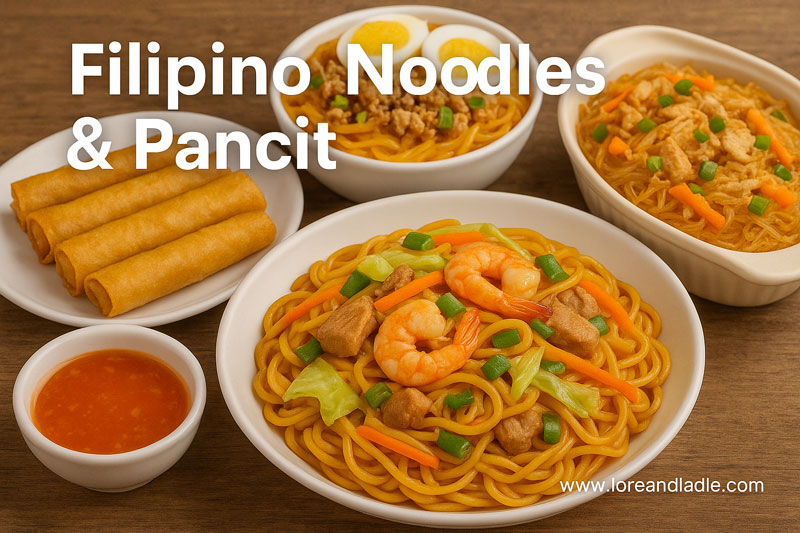
Sotanghon guisado is a Filipino stir-fry centered on sotanghon, or vermicelli noodles made from mung bean starch. When they hit the hot pan, the noodles soften quickly and take on the glaze of the sauce and the aroma of aromatics. The dish typically features garlic and onion for savory depth, a light soy-based sauce for color and savoriness, and a mix of vegetables that add crunch and sweetness. Protein options range from chicken or pork to shrimp or eggs, with plant-based varieties like tofu or mushrooms as thoughtful substitutes. The result is a dish that feels bright, approachable, and satisfying in a single skillet.
What makes the dish distinctly appealing is its balance. The noodles are slender, almost delicate in appearance, yet they carry flavor well. The vegetables provide crisp texture and color, while the protein lends heft. A touch of fish sauce or soy, a splash of sesame oil, and a pinch of pepper round out the profile. The overall effect is clean and comforting, with a gentle savory edge that invites you back for a second bite.
Flavor and Texture to Expect
Expect a lively mix of Flavors in every bite. The aroma begins with garlic and onion, leaving a warm, inviting base. Soy sauce and, depending on the pantry, a light fish sauce or salt bring a savory, umami depth. If you like a hint of sweetness, a touch of carrot or bell pepper can contribute that note without overpowering the dish. The glass noodles themselves remain soft and pliant, catching the sauce while staying distinct from the vegetables and proteins. There’s a pleasing contrast between the tender noodles and the crisp-tender vegetables.
Texture plays a central role here. The noodles are smooth and slippery, almost silky, while vegetables like cabbage, carrots, or green beans deliver crunch. When you add scrambled eggs or a light protein, you introduce another layer of texture—soft, creamy eggs or a savory bite from meat or seafood. The finish is lightly glossy with sauce, never overly saucy, so every element remains visible and balanced on the plate.
Cultural Value and Occasions
Non-political traditions and everyday rituals give any dish its heart, and sotanghon guisado has plenty. It’s a versatile dish that fits family meals, casual gatherings, and celebratory lunches alike. On busy weekdays, it serves as a reliable throughline: quick, flavorful, and easy to adapt based on what’s in the fridge. On weekends or during special meals, cooks may elevate the dish with more-or-less elaborate ingredients, but the core idea remains the same: a shared pan, a chorus of colors from vegetables, and a comforting aroma that signals nourishment and care.
In many households, the dish appears at regular family dinners because it travels well across ages and tastes. It pairs well with simple sides such as a crisp cucumber salad, a wedge of citrus for brightness, or a steaming bowl of rice. The act of cooking—chopping vegetables, sautéing aromatics, and tossing the noodles—becomes a small ceremony that brings people together around the stove. This communal and practical approach is part of what makes sotanghon guisado a beloved option year after year in homes across the Philippines and beyond.
Key Characteristics of Sotanghon Guisado
-
Translucent, slender noodles: The sotanghon threads give the dish its delicate, light look. They soak up sauce without becoming mushy.
-
Bright aromatics: Garlic and onion form a fragrant foundation, often complemented by ginger in some regional twists.
-
Balanced sauce: A modest blend of soy sauce and a salty element (like fish sauce or salt) creates a savory backbone with a hint of sweetness from vegetables or optional carrots.
-
Textural contrast: Crunchy or crisp-t tender vegetables juxtapose with soft noodles and any added protein, producing a pleasing mouthfeel.
-
Flexible protein: Chicken, shrimp, pork, eggs, mushrooms, or tofu all work, letting cooks tailor the dish to dietary needs or what’s on hand.
-
Quick cooking: Everything comes together quickly in a hot pan, making it ideal for weeknights or sudden cravings.
Variations and Adaptations
One of the delights of sotanghon guisado is how adaptable it is. Here are some high-level ideas you can explore:
-
Chicken and mushroom version: Use sliced chicken and earthy mushrooms for a comforting, satisfying combination.
-
Shrimp and crisp vegetables: Pair shrimp with snap peas or green beans for a fresh, light experience.
-
Pork and egg: Add thin strips of pork and gently scramble eggs to create a more substantial meal.
-
Vegetarian option: Use tofu or tempeh, plus extra vegetables like bell peppers, carrots, and cabbage for color and texture.
-
Mushroom-forward approach: For a meaty texture without meat, use a mix of oyster mushrooms and shiitake.
-
Noodle alternatives: If you can’t find sotanghon, other thin noodles or vermicelli can work with a similar technique and seasonings.
-
Fresh brightness: A squeeze of calamansi or lime at the end adds a lively citrus note that heightens the dish without overshadowing the core flavors.
These variations keep the dish familiar while inviting new flavors and colors to the plate.
How to Enjoy It in the U.S.
In the United States, sotanghon guisado often shines as a homey weekday meal, a weekend treat, or a crowd-pleasing dish at potlucks and family gatherings. It pairs well with steamed white rice, which soaks up the sauce and keeps the meal balanced. Some people like to serve it with a side of pickled vegetables or a small salad for brightness. The dish invites bright condiments on the side—fresh lime or calamansi wedges, chopped scallions, or sliced chiles for those who enjoy a little heat.
In a smaller kitchen, you can still enjoy the same energy and aroma by using a wide skillet or a wok. The technique remains the same: heat, aromatics, protein if using, vegetables, then noodles and sauce, all tossed together until glossy and well combined. The result is a comforting, satisfying meal that is easy to customize for family members with different tastes.
High-Level Recipe Ideas (No Detailed Instructions)
-
Start with a quick aromatics base of garlic and onion, then add your chosen protein and vegetables. Toss in the noodles and a light sauce, finishing with a drizzle of sesame oil for depth.
-
Build a layered flavor by toasting a bit of garlic first, then cooking mushrooms to intensify umami before adding protein and noodles.
-
Create a seafood-forward version with shrimp and a touch of citrus at the end to brighten the dish.
-
Make a nourishing vegetarian version with tofu, cabbage, carrots, and a handful of greens like spinach or bok choy to add color and nutrition.
-
For a kid-friendly approach, keep the sauce mild and let guests adjust heat with chili oil or fresh chiles at the table.
These ideas offer a framework to shape your own sotanghon guisado while keeping the core essence intact—the harmony of slender noodles, crisp vegetables, and savory sauce.
Why Sotanghon Guisado Is a Must-Try Filipino Dish to try this year in the U.S.
Why Sotanghon Guisado Is a Must-Try Filipino Dish to try this year in the U.S. is not just about flavor. It is about a dish that invites creativity, connection, and ease. Here are some reasons to try it this year:
-
Accessibility: The ingredients are common, flexible, and easy to find in many markets, making it a dish you can prepare without special trips to specialty stores.
-
Quick execution: A busy day becomes a chance to cook something fresh in a short period. The dish rewards efficient prep and a hot pan.
-
Flavor balance: The savory backbone of soy and fish sauce mingles with the fresh notes from vegetables and the bright finish of citrus when added at the end.
-
Textural interest: The contrast between the slippery noodles, crisp vegetables, and any tender protein creates a pleasing mouthfeel.
-
Customizable: You can tailor the dish to dietary preferences, seasonal produce, and Pantry Staples without losing its core identity.
-
Family-friendly: It’s approachable for cooks of all skill levels and adaptable for younger palates or more adventurous tastes.
-
Comfort with polish: It feels homey, yet the sauce and texture give it a touch of polish that makes it suitable for gatherings and dinner with friends.
-
Seasonal flexibility: You can swap vegetables with what’s fresh in your market, keeping the dish vibrant throughout the year.
-
Gentle elegance: The dish presents well on a plate, with a clean look and a soft glow from the glossy sauce and translucent noodles.
-
Cultural appreciation: Enjoying sotanghon guisado offers a respectful nod to Filipino flavors, encouraging curiosity about regional differences and shared culinary techniques.
A Thought on Tradition, Flavor, and Everyday Joy
The beauty of sotanghon guisado lies in its balance between simplicity and soul. It uses humble ingredients to create something that feels thoughtful and complete. The dish breathes in a way that many people recognize: a homey scent from garlic and onions, a savory warmth from soy and fish sauce, and a light sweetness from vegetables. The noodles carry flavor without overwhelming it, and the sauce clings just enough to tie everything together.
People enjoy sotanghon guisado in many familiar settings. A family dinner around a warm stove, a casual lunch at a small table with friends, or a quiet weeknight meal after a long day—all are perfect moments for this dish. The act of cooking—prepping vegetables, combining ingredients in a pan, and sharing the final plate—transforms a routine meal into a small celebration of everyday life. It’s a reminder that good food can be both simple and meaningful, and it celebrates the joy found in cooking with what you have.
Final Thoughts
If you are exploring Filipino flavors this year, consider trying sotanghon guisado. It offers a reliable, comforting taste of home with the flexibility to reflect your own kitchen and preferences. The dish’s light yet satisfying character makes it suitable for many occasions, from quiet weeknights to lively gatherings. Through its textures, aromas, and adaptable nature, sotanghon guisado demonstrates how a well-crafted stir-fry can feel both familiar and exciting.
Why Sotanghon Guisado Is a Must-Try Filipino Dish to try this year in the U.S. continues to hold true as more cooks discover its charm. The dish invites curiosity about ingredients and technique while staying grounded in a sense of shared meals and simple happiness. If you want to add a new Filipino favorite to your repertoire, this dish offers a welcoming path—one that respects tradition, embraces versatility, and serves warmth on a plate. Give it a try, and let the flavors guide your next cooking session, your next family dinner, and your next group gathering. The journey through sotanghon guisado is a gentle invitation to celebrate flavor, texture, and togetherness—one pan, one stir, one bright, satisfying bite at a time.