
A Flavorful Introduction: Spicy Tempeh Stir-Fry and Indonesian Main Dishes
Spicy Tempeh Stir-Fry is more than a recipe. It is a bright expression of Indonesian Home Cooking, where simple ingredients become a canvas for bold flavor. The dish celebrates balance: heat from chilies, warmth from garlic and shallots, depth from soy and a hint of sweetness. Tempeh, with its nutty bite, carries both nutrition and tradition. In every bite, you taste a connection to kitchens that value quick, honest cooking after a busy day. This dish also sits alongside classic Indonesian mains as a living example of everyday culinary artistry.
Tempeh: A Cultural Backbone of Indonesian Kitchens
Tempeh has a proud place in Indonesian cooking. It is a fiber-rich, fermented soybean cake that brings texture and a gentle, earthy flavor. Fermentation enriches aroma and nutrition, turning a humble bean into a versatile pantry staple. Tempeh adapts easily to bold sauces or mild glaze, making it a trusty partner in weeknight meals and festive gatherings alike. Its popularity in Indonesia reflects a culture that honors ingredients, technique, and the joy of sharing a meal with others.
The Spice Palette: Aromatics that Define Indonesian Flavor
Indonesian flavor rests on a lively set of aromatics. Garlic and shallots form the fragrant base. Fresh chilies bring warmth and brightness. A touch of palm sugar adds a soft sweetness, while soy sauce or kecap manis adds depth and a gentle savor. Fresh lime or tamarind can lift the dish with a bright tang. This harmony of sweet, salty, sour, and spicy creates a signature profile that is both comforting and exciting. Spicy Tempeh Stir-Fry demonstrates how these elements work together in a quick, focused stir-fry.
Stir-Fry Technique: Quick, Vibrant, and Respectful of Texture
The stir-fry method keeps flavors vivid and textures lively. A hot skillet or wok sears tempeh quickly, preserving its bite while locking in aroma from aromatics. Crisp vegetables contrast with the tender, nutty tempeh. A light, balanced sauce coats every piece without drenching it. The technique mirrors Indonesian cooking values: speed without losing character, precision without fuss, and a result that tastes like home even when you are far away.
Classic Indonesian Main Dishes: Favorites and Their Significance
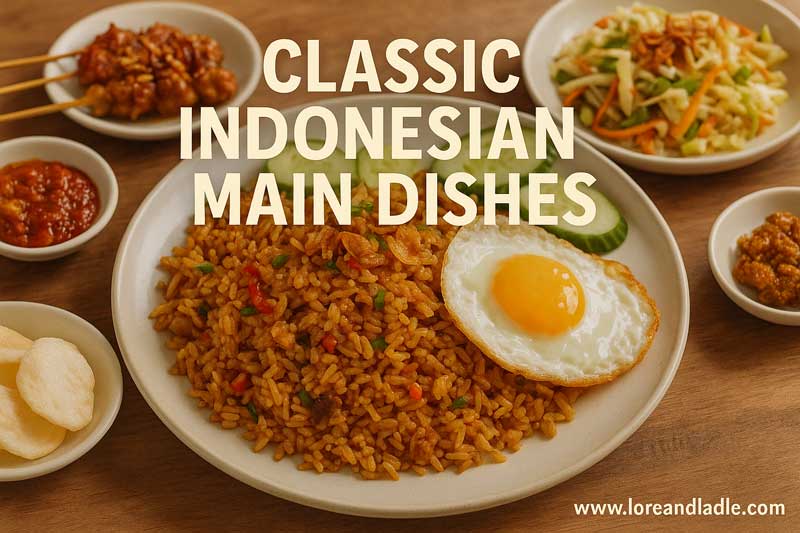
Classic Indonesian mains share a thread of bold flavor and careful balance. Rendang showcases slow-cooked richness with coconut milk and a chorus of spices. Nasi Goreng turns rice into a comforting, smoky centerpiece with sweet soy, aromatics, and a perfect fried finish. Sate (satay) brings succulent skewers with a nutty, fragrant peanut sauce, inviting social enjoyment. Mie Goreng transforms noodles with wok hei and lively seasonings. Each dish honors technique and seasonal ingredients, and together they form a pantry of favorites that Indonesian cooks revisit with pride and joy.
The Culinary Significance for Indonesian Food Fans in the United States
in the United States, Indonesian food fans bring these flavors into home kitchens with care. The dishes inspire curiosity, inviting home cooks to explore spice blends, textures, and timing. They reward attention to balance and to the way ingredients meet heat. The cultural value lies in continuity: passing down preferred methods, adapting with local produce, and sharing meals that celebrate Indonesian taste, color, and aroma. The result is a welcoming bridge from kitchen to table that honors tradition while encouraging everyday creativity.
Pairings, Seasons, and Serving Ideas
Pair Spicy Tempeh Stir-Fry with steamed rice, fresh herbs, and a squeeze of lime. Add steamed greens for color and balance. For a more elaborate feast, offer a peanut sauce on the side or mix in a small portion of tempeh with other classic mains. The dish shines in any season when you crave bright, satisfying flavors that come together quickly and beautifully.
Conclusion: Celebrating Flavor, Craft, and Community
Spicy Tempeh Stir-Fry stands as a vivid example of Indonesian culinary value. It honors tradition, celebrates texture, and invites thoughtful, joyful cooking. Alongside timeless Indonesian main dishes, it reminds us how food can be a daily art form—simple, bold, and inviting for Indonesian food fans wherever they are, including in the United States.