
A Fresh Beginning: Spring in Lao Cuisine
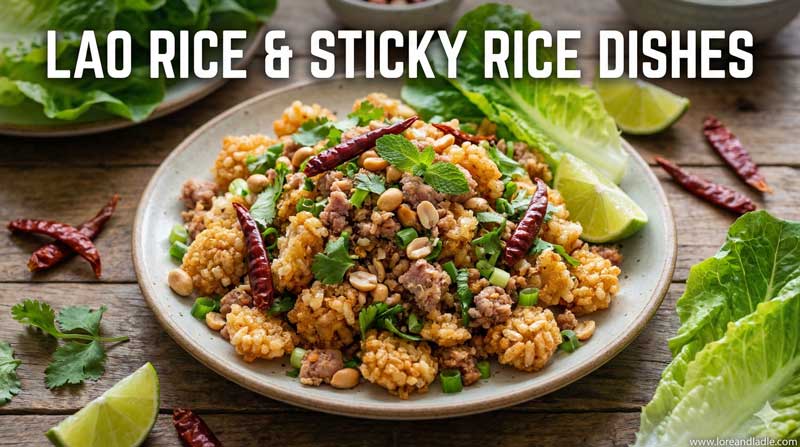
Spring arrives softly in Laos with bright mornings and markets spilling with green shoots, citrus, and fragrant herbs. The dish Light and Fresh Lao Rice & Sticky Rice Dishes for Spring celebrates that moment when the palate wakes to new life. Rice sits at the center of daily meals, offering texture, comfort, and a canvas for seasonal flavors. In spring, cooks lean toward lighter preparations, letting herbs, citrus, and delicate proteins shine. The result is meals that feel effortless, vibrant, and deeply rooted in Lao culinary heritage.
The Heartbeat of Lao Rice: Jasmine Rice and Sticky Rice
Rice is more than food in Lao culture; it is the daily rhythm that guides meals. Lao kitchens often embrace both jasmine rice and sticky rice, each bringing a distinct character. Jasmine rice offers a fluffy, fragrant base that carries subtlety well with soups, grilled fish, and fresh salads. Sticky rice, on the other hand, is the hand-held companion of many Lao dishes; its soft, cohesive texture invites you to scoop, pinch, and share. Together, they form a mobile plate of texture and balance. In spring, cooks may alternate between the two to highlight freshness: a warm bed of jasmine rice paired with a side of sticky rice and a bright herb salad, or a light mound of sticky rice that soaks up citrus-kissed fish sauces without overpowering the herbs’ brightness.
Spring Ingredients: Herbs, Citrus, and Freshness
Spring flavor in Lao cooking centers on green herbs, crisp vegetables, and citrus lift. Mint, dill, cilantro, Thai basil, and sawtooth coriander mingle with lime, lemongrass, and a touch of garlic. Fresh vegetables—cucumber, shredded cabbage, green beans, and young peppers—provide crunch and moisture. These ingredients give Lao spring dishes their signature cleanliness and vibrancy. When you plate Light and Fresh Lao Rice, a sprig of mint or dill can crown the dish, while a squeeze of lime adds a final, vivid note. The aim is balance: the natural sweetness of rice and vegetables meets the tang of lime and the savor of fish sauce or a light protein, all harmonized by the aroma of fresh herbs.
Techniques and Flavor Philosophy
The culinary philosophy behind these dishes rests on clarity and contrast. The technique is simple: steam or fluff the rice to keep each grain distinct, arrange a bright herb salad alongside the grains, and finish with a delicate protein or pickled vegetables. Flavor comes from balance rather than heaviness. A touch of fish sauce or salt deepens the savor, lime juice brightens the palate, and a hint of chili can wake the dish without overwhelming it. Fresh herbs release aroma the moment they touch the warmth of rice, creating an inviting scent profile that signals spring to the senses. The result is an approachable, satisfying plate that respects the integrity of each ingredient.
Cultural Value: Shared Tables and Seasonal Rhythms
In Lao culture, meals are often social and communal. Spring brings a mood of renewal to the table, where family and friends gather to Share simple, bright dishes. The act of eating together reinforces bonds and creates a sense of place. Fresh, light rice dishes become a seasonal highlight because they celebrate abundance without heaviness. Markets fill with herbs, leafy greens, and small fish or poultry, inviting cooks to compose plates that reflect the moment. The tradition of serving both jasmine and sticky rice at a single meal reinforces the idea that Lao cuisine welcomes variety while keeping a unifying thread: rice as the heart of every gathering.
Regional Threads: A Tapestry Across Lao Lands
Laotian cooking is diverse, yet spring meals often echo common threads. in the northern and upland regions, sticky rice can take a starring role, shaped into small portions that pair with herb-rich salads and grilled fish. In central Laos, jasmine rice more frequently accompanies lighter preparations, with fresh herbs lending brightness to every bite. Southern Laos blends influences from river markets with coastal flavors, bringing a delicate balance of citrus and herb-forward dishes. Across these regions, the spring table shares a sense of simplicity, seasonal abundance, and a respect for ingredients that are at their peak now.
Presenting Light and Fresh Lao Rice Dishes at Home
To honor the essence of Light and Fresh Lao Rice in your kitchen, build around three pillars:
- Base: choose either jasmine Rice for a soft, fragrant bed or sticky rice for a tactile, cohesive pairing.
- Fresh accents: pile on spring herbs and crisp vegetables, letting their colors and aromas lead the plate.
- Light protein or vegetarian option: add a gentle protein such as grilled fish, boiled shrimp, or a tofu preparation that absorbs the bright flavors without weighing the dish down.
A simple approach is to place a neat bed of rice on the plate, top with a herb-llecked salad (mint, cilantro, dill, lime leaves if available), and finish with a light protein and a citrus-dense dressing. The dressing can be a minimal mix of lime juice, a whisper of fish sauce, and a drizzle of sesame oil. This method respects the ingredients and keeps the dish lively and spring-forward.
A Thoughtful, Seasonal Invitation
Light and Fresh Lao Rice & Sticky Rice Dishes for Spring invites you to savor the harmony of texture, aroma, and seasonal brightness. By honoring both jasmine and sticky rice, you recognize how Lao cuisine embraces variety while preserving a shared cultural core. The spring season offers moments to gather, to taste, and to appreciate the care that goes into selecting fresh herbs and simple preparations. As you explore these dishes, you’ll discover not just flavors, but a sense of place—a reminder that food can be a gracious bridge between the earth’s gifts and the tables of family and friends.