
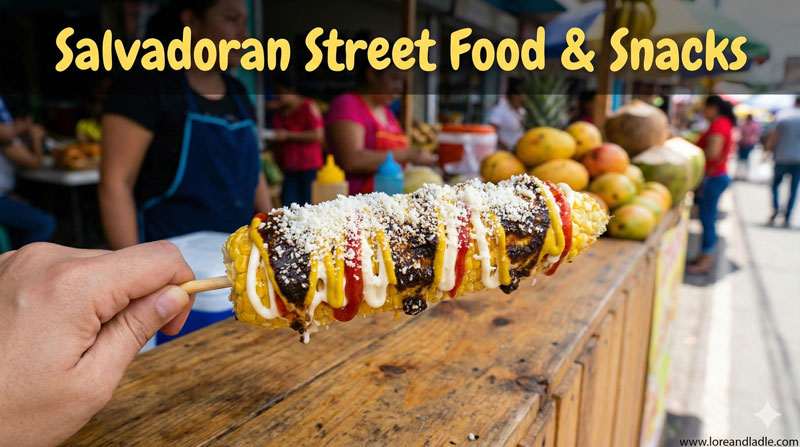
Discover street-style Salvadoran pastelitos de carne Loved Across the U.S.
A warm bite can carry a city’s flavor, and pastelitos de carne do just that. This street-style treasure from El Salvador is a savory pastry that blends practical craft with rich cultural meaning. It is a snack that travels easily, sharing its aroma with busy sidewalks and inviting corners of markets. In the United States, these pastelitos have found a broad audience, cherished for their balance of comforting texture and vivid filling. Here, we explore their cultural value and culinary significance with an eye on how they enrich everyday meals and celebrations.
The heart of a street snack: why pastelitos de carne matter
Pastelitos de carne emerged from kitchens and street stalls where quick, satisfying bites are valued. The pastry’s crisp, golden shell and the flavorful beef filling offer a straightforward, joyful experience. The dish thrives in open-air settings—from market stalls to food trucks—where vendors demonstrate care in every fold and fry. That immediacy is part of its cultural value: a simple plate or paper bag becomes a shared moment, a small ritual of taste that connects people to a tradition rooted in home cooking and street life alike. The street version emphasizes accessibility, speed, and the comforting scent of a hot pastry, making it a beloved option for hungry walk-through moments and casual gatherings.
Texture and balance: the craft behind the crust
The appeal of pastelitos de carne starts with the crust. The dough is prepared to be supple yet sturdy, rolled to a thin layer, and wrapped around a generous scoop of filling. When fried, the edges crisp while the center stays tender, producing a pleasing contrast that makes the taste linger. The texture invites a light crunch, followed by a soft interior, which then yields to the savory juices inside. This texture harmony is a hallmark of street-style preparation, where timing and heat bring out a consistent, crave-worthy bite. The crust’s golden color and aroma are immediate cues that signal a meal is within reach and a story is about to unfold with every mouthful.
The filling: beef that carries aroma and warmth
The filling—seasoned ground beef with aromatic vegetables—anchors the dish’s depth. Common components include onions, garlic, bell peppers, and tomatoes, simmered with herbs like oregano and cumin. A touch of pepper, salt, and a pinch of paprika heighten the savory profile. In some variations, cooks add olives or a hint of raisins to introduce a subtle, contrasting note. These small choices reflect regional preferences and family traditions, adding layers to a dish that remains approachable for street vendors and home cooks alike. The filling’s warmth and brightness make it easy to pair with crisp crust and tangy accompaniments, enhancing the overall experience without overpowering the pastry’s gentle sweetness.
Accompaniments: elevating the snack to a meal
No pastelito journey is complete without thoughtful pairings. Curtido, a tangy Salvadoran cabbage slaw with carrots and onions, brings acidity and brightness that cut through the richness of the pastry. A light salsa roja or a dollop of fresh lime juice can add a fresh, zesty note to each bite. Some vendors offer a sprinkle of fresh cilantro or a spoon of creamy sauce to balance textures. These accompaniments act like musical punctuation marks, highlighting the pastry’s savory core while inviting the palate to explore contrasts in flavor and texture. Together, the pastry and its accompaniments form a portable, well-rounded snack that can stand alone or anchor a larger meal.
Cultural value in everyday life
Pastelitos de carne carry a sense of daily life and shared moments. They travel with families to weekend markets, are enjoyed during quick lunches at busy corners, and surface at gatherings where friends catch up over a warm plate. The dish’s accessibility makes it a staple for many, inviting people to slow down just enough to savor a single, satisfying bite. The preparation and presentation—hand-folded pastries, crisp fry, and careful seasoning—also celebrate craft and skill. In this way, pastelitos de carne represent a bridge between home cooking and street culinary artistry, preserving techniques that are practical, generous, and deeply human. The result is more than flavor: it is a small ritual that marks time, place, and shared affection for good food.
The dish across the United States: a shared taste experience
Across the United States, pastelitos de carne have found welcoming kitchens and eager palates. In bustling urban markets, the aroma draws curious tasters to a stall, where a vendor’s technique becomes a quick, personal lesson in texture and balance. In neighborhoods with vibrant Latin food scenes, these pastries appear at pop-up events and family-run bakeries, where recipes migrate and adaptations flourish. The result is a sense of familiarity for many and a curiosity for newcomers, inviting all to explore a taste that feels both familiar and new. The dish’s portability and bold yet approachable profile help it travel well, maintaining its character whether enjoyed in a crowded market or a quiet home kitchen. In this way, pastelitos de carne serve as a doorway to Salvadoran street food culture, inviting everyone to savor a moment of warmth and comfort.
Home preparation: celebrating the craft in your own kitchen
For those who want to honor the dish at Home, start with a simple dough and a flavorful beef filling. Mix flour, a touch of oil, warm water, and a pinch of salt to form a pliable dough. Let it rest briefly, then roll into thin rounds. Fill each round with a portion of seasoned beef, fold over, and seal the edges tightly. Fry in hot oil until the crust turns a rich gold. Drain on a rack, and serve with curtido and a squeeze of lime. If you prefer a crisper texture, you can bake the pastries instead of frying, though frying is the classic method that yields the most immediate aroma and crunch. Whether you cook at home or enjoy a pastry from a street stall, you participate in a tradition that blends skill, flavor, and community.
A respectful invitation to savor and explore
Pastelitos de carne are more than a snack. They are a celebration of simple techniques, bold flavors, and shared moments. The street-style version emphasizes speed and accessibility, while still honoring the care of the cook and the freshness of ingredients. In every bite, there is a story of hands that folded dough, a pot that simmered, and a stall that welcomed neighbors and visitors alike. The dish invites reflection on how food travels, adapts, and remains true to its roots. It is a reminder that culture can be comforting, flavorful, and inviting, offering sustenance and joy in equal measure.
If you are curious about Salvadoran street food, pastelitos de carne provide a gentle, delicious entry point. They embody culinary value through texture, aroma, and balance. They symbolize the beauty of preparation learned from loved ones and shared with friends, in markets, homes, and gatherings across the United States. Whether you encounter them in a bustling stall or recreate them in a kitchen, these pastries invite you to pause, savor, and celebrate the simple pleasure of a well-made, storied snack.