
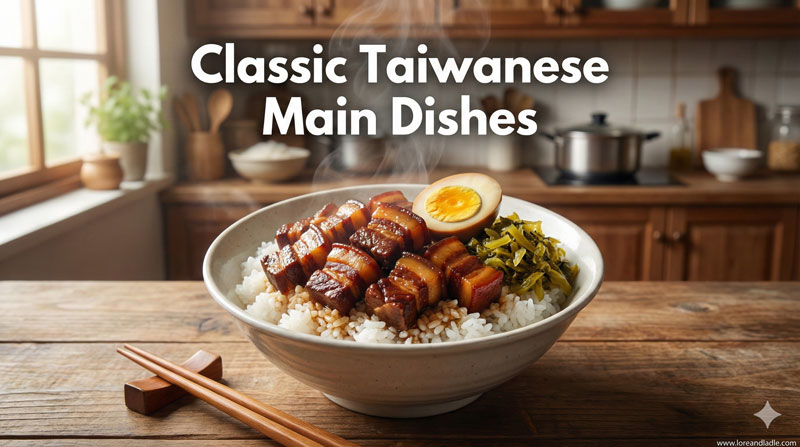
Introduction to a Cultural Favorite
Introducing the dish titled “Best Classic Taiwanese Main Dishes Recipes That Are Trending Right Now” invites readers to explore more than flavor. It opens a window into everyday meals that carry meaning, craft, and memory. These classic main dishes anchor family meals, festive gatherings, and simple weeknights. They showcase balance, technique, and the warmth of shared food. In short, they are both culturally meaningful and technically refined.
What this collection stands for
This collection highlights timeless Taiwanese main dishes that remain lively in today’s kitchens. First, the flavors feel both familiar and fresh. Next, cooks at home and in small eateries bring these dishes to life with personal touches. Finally, the recipes stay approachable, inviting Home Cooks to learn and adapt without losing their essence. Across these recipes, you will notice a consistent care for balance, aroma, texture, and a comforting sense of home.
The cultural value of Taiwanese main dishes
Taiwanese cuisine thrives on the idea that a good main dish satisfies not just hunger, but the senses and the day’s rhythm. The scents of soy, ginger, garlic, and aromatics tell a story of time spent in front of a simmering pot. These dishes celebrate seasonality—braising pork when peppers and greens are in peak, or simmering beef when markets offer tender cuts. They also honor technique, with lessons in braising, simmering, and precise wok cooking that honor tradition while inviting personal interpretation. In homes and eateries alike, these dishes become moments of connection, sharing, and comfort. They remind us that meals are a daily ceremony, a way to care for family, friends, and neighbors.
Signature dishes you’ll often see in this trend
- Beef Noodle Soup (Niu Rou Mian): A harmony of tender beef, chewy noodles, and a broth built on depth and brightness. This dish teaches how slow-cimming flavors become a single, comforting whole. The broth carries ringed notes of soy, star anise, and aromatics, inviting conversation as bowls disappear.
- Lu Rou Fan (Braised Pork Belly with Rice): A simply lovely plate where pork melts against a glossy, savory-sweet sauce. It is the art of turning humble ingredients into a memorable main that pairs perfectly with steamed rice. The dish speaks to patience, as slow braising releases layered flavors that linger on the palate.
- Three Cup Chicken (San Bei Ji): A fragrant, pop of herbs and warmth that comes from equal parts sesame oil, soy, and rice wine. The technique highlights careful tempering of heat and aroma, creating a glossy glaze that clings to tender chicken and absorbs the fragrance of basil and garlic.
- Oyster Fry and Eggs (Oyster Omelette) or other seafood-forward mains: These dishes celebrate the briny sweetness of fresh seafood balanced with egg, starch, and crisp edges. They illustrate how texture—soft center, crisp exterior—adds a playful, satisfying dimension to a main course.
These dishes are not merely recipes; they are culinary rituals that show how flavor, texture, and technique express care and hospitality. They invite cooks to honor tradition while bringing their own touch to the table.
Techniques and ingredients that define these dishes
Culinary significance in these classics comes from technique and well-chosen ingredients. Braising is a core method, transforming tougher cuts into tender mouthfuls and creating a sauce that clings to meat and rice alike. Soy sauce, rice wine, ginger, garlic, and star anise are common threads, weaving aroma and depth through each dish. Sesame oil adds a roasted richness, while sugar or mirin-like sweetness balances savoriness for a round, comforting taste.
Flavor balance is a cornerstone. The dishes often strike a harmony between salty, sweet, and savory, with a bright lift from green onions or herbs at the end. Temperature contrast matters too: a hot, fragrant braise paired with cool rice or crisp vegetables creates a satisfying range of textures. Finally, technique matters. From simmering to achieve silkiness, to achieving a glossy glaze, these methods reflect a thoughtful approach to home cooking and present a refined sense of culinary discipline.
How to approach these recipes in your kitchen
First, gather a handful of trusted ingredients you enjoy. A good soy sauce, a splash of rice wine, fresh ginger, and garlic form the backbone for most of these dishes. Next, plan your cooking time. Braises require patience, while a quick stir-fry for a Three Cup style hug of aroma helps keep the dish lively. Then, taste and adjust gradually. A little salt, a touch more spice, or a hint of sweetness can refine the balance without overpowering the core flavors. Finally, serve with simple accompaniments—steamed green vegetables, pickles, or a light, peppery sauce. The aim is to let the main dish shine while complementing flavors.
The role of technique in cultural expression
Techniques in these classics communicate a philosophy of cooking: precision, restraint, and respect for ingredients. Braising brings out tenderness and savor, while wok-based stir-fries celebrate quick, high-heat motion that preserves color and aroma. The art of layering aromatics—garlic, ginger, scallions, and fresh herbs—recedes into a fragrant finish that signals care and attentiveness in the kitchen. Through these techniques, home cooks feel connected to a larger culinary tradition that honors both family and craft.
Why these recipes are trending now
The current interest in these classics stems from their adaptability and timeless appeal. They offer comfort without heaviness, depth without complexity, and familiar flavors that are easy to recreate at home. In today’s cooking landscape, these dishes travel well from family dinners to Weekend Gatherings, and they invite cooks to explore regional variations with curiosity and confidence. The trend also reflects a growing appreciation for balanced meals that nourish both body and spirit, with a focus on technique that remains accessible to home kitchens.
A practical guide to enjoying these dishes
- Start with one dish to build confidence, then expand as you gain familiarity with timing and seasonings.
- Use quality ingredients where possible, especially for meats, aromatics, and fresh herbs.
- Pair with simple sides that enhance the main dish without overwhelming it.
- Embrace variations you enjoy, such as adding greens for color or adjusting sweetness to taste.
- Record your tweaks so you can reproduce success and share your version with family and friends.
Cultural value in everyday dining
These classic Taiwanese mains emphasize care, hospitality, and shared meals. They remind us that cooking is a generous act—preparing a dish that invites others to pause, savor, and connect. The dishes celebrate community in a warm, practical way: meals that sustain, delight, and bring people together around a table.
Closing thoughts
In celebrating the Best Classic Taiwanese Main Dishes Recipes That Are Trending Right Now, we honor flavors that have shaped daily life and festive meals alike. These dishes stand as testaments to thoughtful technique, seasonal ingredients, and the joy of sharing. They invite cooks to learn, adapt, and create moments of comfort and connection. Above all, they remind us that great food is a language spoken at every meal, spoken softly across generations, and spoken with pride in every kitchen where a simmering pot promises warmth and welcome.