
Introduction: Best Taiwanese Desserts And Sweet Treats Ideas That Bring Taiwan’s Flavors to Your Kitchen
Taiwan’s desserts invite the senses to linger. They celebrate balance, seasonality, and warmth. This post introduces a collection we can call Best Taiwanese Desserts And Sweet Treats Ideas That Bring Taiwan’s Flavors to Your Kitchen. It focuses on cultural value and culinary significance. The goal is to inspire Home Cooks to honor tradition while cooking with fresh, accessible ingredients. You will sense how Taiwan’s sweets tell stories of markets, family kitchens, and daily rituals rooted in care and craft.
A Tasting Tour: Core Desserts That Define Taiwanese Sweet Culture
Taiwan’s dessert landscape blends bright fruit, silky tofu, chewy starch, and fragrant teas. Here are core treats that show why these flavors endure.
-
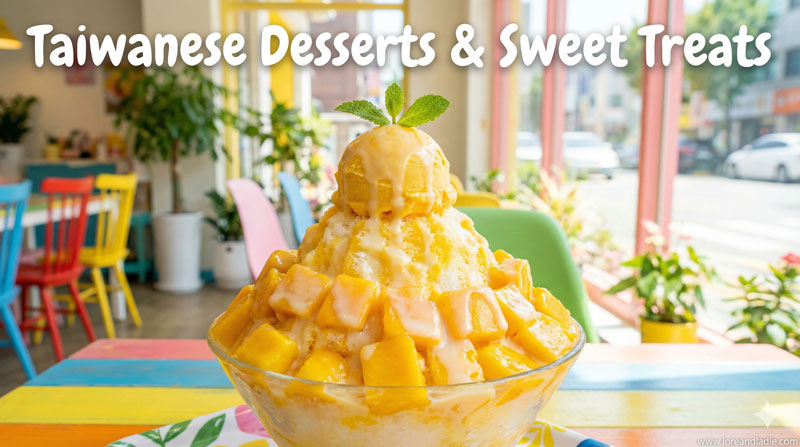
Mango Shaved Ice (Mango Bao Bing). In summer, ripe mangoes crown a snow of finely shaved ice. Condensed milk adds creaminess, while a drizzle of syrup completes the balance between sweet and fresh. The result is a cooling bowl that invites shared moments and easy conversation.
-
Douhua (Tofu Pudding) with toppings. A silky, almost wobbly pudding sits on the table. People add toppings such as red beans, peanuts, or sesame seeds and pour sweet syrup over it. Douhua emphasizes texture and harmony—soft, smooth, and lightly sweet.
-
Taro Balls in Brown Sugar Syrup. Chewy taro spheres swim in a warm, caramel-like syrup. The rounds carry a gentle earthiness that pairs with the syrup’s depth. They feel comforting and celebratory at once.
-
Grass Jelly with Syrup and Fruit. A cool, dark jelly meets bright fruit and a touch of syrup. It offers contrast—cool and refreshing in each bite. Grass jelly is a staple that evokes quiet, sunlit afternoons and thoughtful preparation.
-
Pineapple Cake (Fengli Su). This crumbly, aromatic pastry embodies Taiwan’s love of bright fruit flavors. Pineapple cake travels well and appears in gift boxes with care. Its balance of crumb and jam reveals a thoughtful approach to pastry.
-
Eight Treasure Rice (Ba Bao Fan) or a similar sweet rice dessert. A gentle, fragrant rice dish with mixed ingredients often appears at gatherings. It reminds us that dessert can be a tapestry of textures and colors, woven from household staples and seasonal additions.
Each of these desserts shows how texture, aroma, and balance carry cultural meaning. They live in markets, homes, and tea houses, where people share and savor together.
Techniques and Craft: From Texture to Aroma
Culinary craft matters as much as ingredients in Taiwanese desserts. The techniques emphasize harmony and balance.
-
Texture layering. Chewy taro balls meet silky tofu, or icy crunch joins creamy toppings. The best desserts invite a pleasant contrast.
-
Fresh, seasonal ingredients. Mangoes in season, bright lychee or crisp pineapples, and tender beans appear at their peak. Seasonality guides sweetness and aroma.
-
Gel and jelly work. Agar-gan or gelatin set jellies with light syrups. These gels hold shape yet deliver a smooth bite, a signature of many Taiwanese sweets.
-
Shaved ice technique. High-quality ice that melts slowly provides a clean, cold canvas for toppings. The ice should feel like a gentle snowfall on the tongue.
-
Syrups and toppings. Syrups balance sweetness with fragrance from ingredients like pandan, pandan leaf, or simple brown sugar syrup. Toppings add crunch, creaminess, or fruit brightness.
-
Home-friendly methods. Many desserts can be made with readily available ingredients. With a few substitutions, you can honor the spirit of Taiwanese sweets without special equipment.
These craft elements matter because they connect home cooks with centuries of gathering, sharing, and caring around desserts. The textures tell stories, and the flavors invite a sense of place.
Cultural Value: Shared Moments, Shared Flavors
Desserts in Taiwan are more than tasty endings. They are social glue.
-
Markets and street stalls. Night markets and daytime stalls turn desserts into conversations. People sample, compare, and decide together. The act of choosing a dessert becomes a small social ritual.
-
Family and daily life. at Home, a bowl of douhua or a cup of shaved ice often marks a moment of rest and connection. Desserts are ways to say welcome, thank you, or simple togetherness.
-
Seasonal celebrations. Desserts appear in seasonal calendars and festive meals. Fresh fruit desserts celebrate harvests; warm, spiced sweets welcome cooler months. Each season brings its own flavors to the table.
-
Regional flavor stories. Taiwan’s regions contribute distinct touches—local fruit accents, particular syrups, and house-made toppings. Those differences add depth and a sense of place to every bite.
-
Hospitality and gifting. Many pastries—like pineapple cake—travel with care as gifts. They carry good wishes and reflect a culture that values thoughtful presentation.
The cultural value of Taiwanese desserts lies in their ability to nourish more than the body. They nourish connection, memory, and curiosity about flavor. They invite people to pause, share, and appreciate small moments of sweetness.
Getting Creative: Bringing Taiwan’s Flavors Home
You can bring a taste of Taiwan into your kitchen with careful choices and simple steps.
-
Start with a small pantry. Stock fresh mangoes or seasonal fruit, canned coconut milk, red beans, taro paste, grass jelly, and an all-purpose syrups. These basics open many doors for at-home desserts.
-
Use high-quality ice and fresh toppings. For shaved ice, a good ice freezer or ice machine helps. Fresh fruit pieces, nuts, seeds, and a splash of condensed milk elevate every bowl.
-
Embrace texture. Chewy taro balls, silky tofu pudding, or crisp pastry layers create a multi-sensory dessert. Aim for at least two contrasting textures in each recipe.
-
Substitute thoughtfully. If you cannot find taro, pumpkin or sweet potato can offer a similar sweetness and color. If fresh mango is scarce, canned mango in syrup can be a reasonable stand-in.
-
Try simple at-home recipes:
-
Mango Shaved Ice at home: Freeze ice until very hard, shave into thin wisps, place in a serving bowl, add diced mango, and drizzle condensed milk or a touch of honey.
-
Grass Jelly with Fruit: Slice grass jelly, add sliced fruit, pour a light syrup, and finish with a splash of lime or lemon juice for brightness.
-
Taro Balls in Brown Sugar Syrup: Mix taro powder or mashed taro with a small amount of starch. Shape into small balls and boil until they float. Serve in brown sugar syrup with a sprinkle of sesame seeds.
-
Douhua-inspired Quick Cream: If you cannot find douhua, use soft silken tofu and top with sweet syrup, roasted peanuts, and a drizzle of black sesame paste for a close likeness of the traditional texture.
-
Pair with tea or milk tea. A cup of jasmine or oolong tea complements the sweetness of Taiwanese desserts. Milk tea can stand alongside as a cultural companion.
These ideas invite you to explore Taiwan’s flavors with warmth and curiosity. By starting with accessible ingredients and clear steps, you can recreate the feeling of a Taiwanese dessert in your own kitchen.
Pairings and Serving: Enhancing the Dessert Experience
Pairing helps desserts resonate even more.
-
Tea as a companion. Light, fragrant teas such as jasmine or tieguanyin balance sweetness and refresh the palate between bites.
-
Fresh fruit accents. A squeeze of citrus or a few mint leaves can brighten a dessert, echoing the fruit-forward approach of many Taiwanese sweets.
-
Creamy contrasts. A light drizzle of condensed milk or coconut cream adds depth without overpowering the dessert’s subtle flavors.
-
Texture harmony. Add a crunchy topping like roasted sesame seeds or crushed nuts to introduce a new crunch right where you want it.
-
Serving tempo. Serve quickly after assembly when ice is present to maintain the refreshing feel. If you prepare components ahead, assemble just before serving for best texture.
Through thoughtful pairings, Taiwanese desserts become more than dishes—they become shared experiences that fit easily into everyday life.
Practical Tips for Home Chefs
-
Shop smart. Look for fresh fruit at markets or in season. For ready-made jellies, grass jelly, and taro paste, check local Asian grocers or reputable online stores.
-
Plan ahead. Prepare syrups and toppings in advance. Store them in clean containers in the fridge for up to a week.
-
Respect the texture. Don’t rush the freezing or chilling steps. The success of these treats hinges on achieving the right melt-in-your-mouth or chewy texture.
-
Respect cultural value. When you make a Taiwanese dessert, you honor a tradition that values care, sharing, and seasonality. A respectful approach invites curiosity and appreciation.
-
Personalize with care. Add your favorite fruits or nuts. Keep the core flavors intact, and you’ll preserve the dessert’s essence while making it your own.
Conclusion: Embracing Taiwan’s Sweet Traditions
Best Taiwanese Desserts And Sweet Treats Ideas That Bring Taiwan’s Flavors to Your Kitchen is an invitation. It invites you to explore how texture, aroma, and seasonality come together in Taiwanese desserts. It shows how markets, homes, and tea rooms shape a shared love for sweetness. By approaching these treats with reverence and curiosity, you can discover the beauty of Taiwan’s culinary language—and bring its flavors to your kitchen, one comforting bite at a time.