
Introduction
The dish Best Taiwanese Desserts And Sweet Treats Favorites That Are Trending Right Now offers a welcoming taste of Taiwan’s dessert world. It’s more than a lineup of sweets; it is a portrait of how flavor, texture, and craft come together in everyday life. In this post, we explore its cultural value and culinary significance. You will see how local ingredients, time-honored techniques, and modern creativity shape these favorites. The result is a dessert tradition that feels intimate, generous, and endlessly inventive.
The Cultural Heart of Taiwanese Desserts
Taiwan’s dessert scene centers on balance. Chefs and Home Cooks seek harmony between sweetness and restraint, between soft and crisp textures, and between simple fruit notes and richer fillings. This balance mirrors a broader cultural preference for hospitality and sharing. A bowl or a cup becomes a small gathering: a moment to slow down, savor, and connect with others. The dishes in this trending collection reflect those values. They are crafted to please different palates, from light fruit-forward bowls to deeply comforting soy or bean-based puddings. In every bite, you sense a respect for tradition paired with a curiosity for new ideas. This is how dessert can feel like a conversation—between the past and the present, between farmer, producer, and diner.
Signature Flavors and Techniques
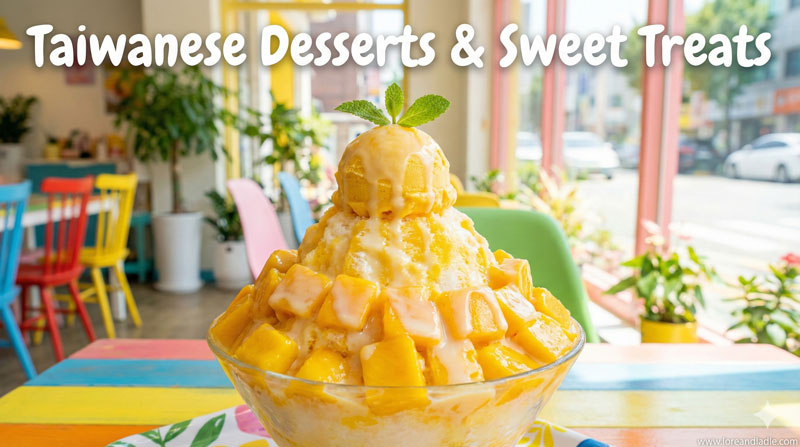
At the core of these favorites is a toolkit that blends regional ingredients with universal appeal. Shaved ice stands out as a signature technique, producing velvety, snow-like textures that pair beautifully with fruit, syrups, and chewy add-ins. Taro, red bean, and mung bean paste offer creamy, earthy sweetness that feels grounded and comforting. Grass jelly gives a cool, slightly herbal counterpoint that refreshes, especially on warm days. Mango, pineapple, and other seasonal fruits bring bright, sunny notes and a natural sweetness that many guests recognize from local markets.
Mochi-like balls, tapioca pearls, and chewy astellated bits—these textures provide contrast and fun within a single serving. A silky douhua (soy milk pudding) topped with syrup or sesame seeds can feel soothing and elegant at once. Finally, a drizzle of premium honey or a light coconut milk finish can elevate a bowl without overpowering the core flavors. Together, these techniques demonstrate how Taiwanese desserts master texture as a form of taste—soft, chewy, crunchy, and smooth all in one experience.
Iconic Ingredients That Define the Dish
Several ingredients recur across the favorites in this dish, creating a recognizable flavor map of Taiwan’s dessert culture:
– Taro and purple sweet potato provide a creamy, comforting foundation.
– Red bean and mung bean bring gentle sweetness and a smooth, hearty body.
– Grass jelly offers a refreshing, slightly herbal note.
– Mango and other fresh fruits contribute vibrant acidity and brightness.
– Tapioca pearls and mochi-like bits add chewy, playful textures.
– Sesame, coconut, and toasted nuts supply warm, nutty undertones.
– Soy-based puddings and dairy-free creams reflect a versatile approach to flavor and dietary needs.
This constellation of ingredients makes the dish feel familiar to many while inviting curiosity about new combinations.
The Role of Seasonality and Fresh Fruit
Seasonal fruit season is a central driver for many of these desserts. Summers in Taiwan bring mangoes that are sweet, fragrant, and lush; winter fruit brings a different mood and accompanying toppings. Chefs balance fruit notes with restrained sweetness to honor the fruit’s natural character. This seasonal approach keeps the dish feeling alive, relevant, and deeply rooted in the rhythms of the year. The practice seen in these desserts—choosing ingredients at their peak and arranging them with care—reflects a commitment to quality and a respect for the fruit’s story.
How to Experience the Dish: From Street Stalls to Modern Cafés
These desserts invite immediate enjoyment in a range of settings. At a night market or street stall, you may see a bowl assembled before your eyes: shaved ice, a scoop of taro paste, a handful of mango cubes, and a drizzle of fragrant syrup. In a modern café, the same flavors might appear as a refined parfait, a layered shaved-ice creation, or a delicate tofu-pudding cup with elegant toppings. The experience emphasizes accessibility: everyone can enjoy a satisfying treat that feels both familiar and novel. Pair these desserts with a fragrant cup of tea, such as a light oolong or a creamy jasmine blend, to enhance the session of tasting and conversation. The result is a comforting ritual that welcomes both locals and visitors.
Culinary Significance in Contemporary Taiwanese Cuisine
The dish showcases how Taiwanese cuisine honors tradition while inviting innovation. Chefs preserve recognizable forms—shaved ice, bean fillings, jellies—yet they experiment with textures, colors, and presentations. This openness fosters a dialogue between home kitchens and professional kitchens, allowing everyday cooks to influence restaurant menus and vice versa. Dessert, in this context, becomes a showcase of regional imagination: it highlights local crops, reflects the skill of small producers, and celebrates the artistry of plating and composition. In sum, these desserts serve as a bridge between comfort and curiosity, between time-honored techniques and today’s creative expressions.
Craft, Craftsmanship, and Community
Beyond flavor, the dish reflects craftsmanship. Each component is chosen and prepared with care: the ice is shaved to a fluffiness that melts gently; the fillings are smooth yet lively; toppings are added with a light touch to balance sweetness and texture. This attention to detail speaks to a communal value—sharing a dish that invites conversation, appreciation, and mutual enjoyment. The social aspect is a quiet but important element: a dessert becomes a small celebration of togetherness, a moment to pause and savor with friends and family. The resulting experience is welcoming, respectful, and inclusive, which is a meaningful part of Taiwan’s culinary culture.
Tips for Exploring the Dish
- Look for harmony: choose bowls or cups where the balance of fruit, beans, and textures feels seamless rather than overpowering any single component.
- Notice the textures: in this cuisine, texture matters as much as flavor. A well-composed dessert will combine smooth, chewy, and crunchy elements.
- Try seasonal variations: when mango is in season, expect a brighter, fruit-forward presentation; in cooler months, you may find comforting sesame or tofu-based options.
- Pair thoughtfully: a light tea or a mild herbal infusion can elevate the tasting experience without masking the delicate flavors.
Final Thoughts
Best Taiwanese Desserts And Sweet Treats Favorites That Are Trending Right Now captures a moment in Taiwan’s dessert culture that is both rooted and evolving. It honors simple ingredients, clever techniques, and the joy of sharing a bowl or a cup with others. The dish stands as a testament to how food can reflect hospitality, curiosity, and a deep respect for the pleasures of texture and taste. Whether you’re sampling at a street stall, a café, or a dedicated dessert shop, these favorites offer a warm invitation into Taiwan’s rich culinary landscape. As you explore, you’ll likely discover new favorites while appreciating the timeless appeal of classic flavors.