
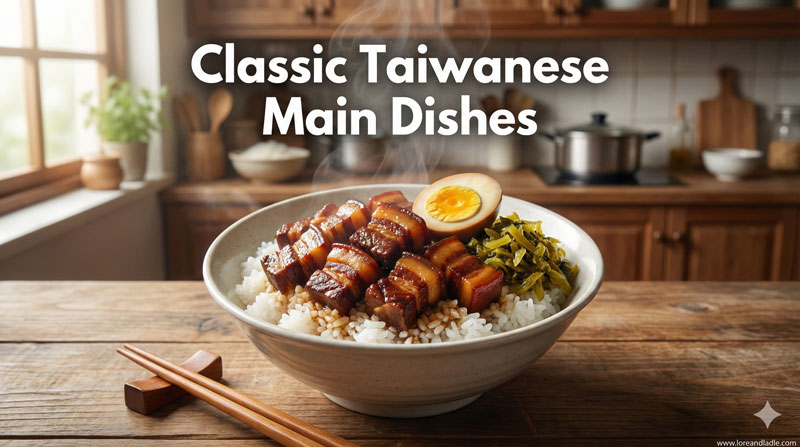
In this post, we explore the idea behind the dish concept titled “Best Classic Taiwanese Main Dishes Dishes for New Home Cooks in the U.S.” It is a warmly curated guide to the core flavors, techniques, and cultural heart of Taiwanese home cooking. The aim is to help new home cooks in the United States discover dishes that are comforting, respectful of tradition, and wonderfully adaptable to everyday life.
The Cultural Value of Taiwanese Main Dishes
Taiwanese main dishes tell stories of daily life around the table. They center on shared meals, careful preparation, and seasonal ingredients that arrive fresh from markets. Each dish invites cooks to develop intuition for balance: sweet, savory, and a hint of brightness from aromatics. These dishes honor family routines, seasonal celebrations, and the simple joy of gathering. By learning them, new home cooks gain access to a living tradition that welcomes experimentation while preserving a spirit of care and patience.
Core Techniques That Shape These Dishes
These dishes rely on a few reliable techniques that every new home cook can master. Braising in soy and a touch of sugar builds deep, glossy richness. Aromatics—garlic, ginger, green onions—present the backbone of flavor, while a splash of rice wine or a splash of Shaoxing wine lifts the dish with gentle aroma. A well-timed simmer dissolves tough cuts into tender bites. A quick, honest wok stir-fry heightens aromas without dulling the ingredients. Finally, a light starch or egg-based element can create a pleasing, cohesive texture. The beauty lies in technique that welcomes soulful cooking without overcomplication.
Iconic Dishes and the Lessons They Teach New Cooks
- Bewe Niu Rou Mian (Beef Noodle Soup): This dish teaches patience and balance. Braised beef, a clear yet flavorful broth, and chewy noodles combine into a comforting bowl. It celebrates fragrant herbs and a carefully built stock, reminding new cooks how time and layering create depth.
- San Bei Ji (Three-Cup Chicken): The name hints at the harmony of sesame oil, soy sauce, and a touch of sugar. This dish shows how technique and a simple ratio can produce a dish that feels both homey and special. Crispy skin, tender meat, and a linger of garlic round out the lesson in texture.
- Lu Rou Fan (Braised Pork Over Rice): Slow braising with soy, five-spice, and a touch of sweetness yields a glossy, savory pork that rests atop steaming rice. It teaches the art of layering flavors and letting braise time unlock tenderness and aroma.
- Oysters with Egg Omelette (Oyster Omelette): A regional favorite that blends briny oysters with a silky egg and a starchy coat for a soft-chewy bite. This dish demonstrates how texture contrasts can elevate a simple ingredient into a memorable main course.
- Fresh Fish or Vegetable Stir-Fry with Savory Sauce: A lighter option that still carries the essential balance of flavors. It highlights the importance of quick sizzling technique and seasonings that brighten without overpowering.
These dishes collectively reveal a philosophy: good home cooking values approachable steps, clear flavor hierarchies, and meals that invite sharing. They encourage new cooks to focus on technique first, then on adapting flavors to personal taste and local ingredient availability.
Planning a Taiwanese Main Dish Menu for the New Home Kitchen
A practical approach helps new cooks build confidence. Start with one dish per week, then gradually add more components as you gain rhythm.
- Week plan idea: Monday beef noodle soup night for a hearty start; Wednesday lu rou fan for comforting weekday warmth; Friday three-cup chicken for a fragrant, crowd-pleasing finish.
- Build a pantry around essentials: soy sauce varieties, sesame oil, a small bottle of Shaoxing wine or a good substitute, five-spice powder, dried shiitake or mushrooms, green onions, garlic, and ginger.
- Pair with simple sides that complement the flavors, such as pickled vegetables, steamed greens, or plain rice.
- Keep notes on flavors you enjoy and adjust the sweetness or saltiness to taste. This practice turns cooking into a joyful, personal tradition.
Sourcing and Substitutions in the U.S.
New home cooks in the U.S. can build authentic flavors with thoughtful substitutions when needed. Consider these ideas:
- Soy sauces: a regular soy and a darker, richer variety add depth.
- Shaoxing wine or substitutes: if unavailable, dry sherry or dry white wine can work in a pinch.
- Five-spice powder: a staple for meat braises; if you don’t have it, a pinch of star anise, cinnamon, and cloves can approximate the profile.
- Sesame oil: a little goes a long way for aroma without overpowering the dish.
- Fresh herbs and aromatics: ginger and garlic are essential; scallions brighten almost every dish.
- Starch for texture: a small amount of potato or sweet potato starch helps create a glossy finish in sauces or omelets.
This flexibility makes Taiwanese cooking accessible anywhere. The core principle remains: cook with intention, taste often, and adapt to what’s fresh in your market.
The Joy of Sharing
These dishes shine when shared with family and friends. They invite conversation about flavors, memories, and daily routines. A pot of Lu Rou Fan or a warming bowl of beef noodle soup becomes a gathering point where cooks learn from one another, swap tips, and celebrate the simple beauty of a well-made meal. Through these dishes, new home cooks discover how Taiwanese cuisine, at its heart, honors nourishment, care, and hospitality.
Final Thoughts
The Best Classic Taiwanese Main Dishes for New Home Cooks in the U.S. is more than a recipe list. It is a celebration of techniques, ingredients, and the everyday rituals that shape food culture in Taiwan. By embracing these dishes, new home cooks cultivate confidence, respect for tradition, and a joyful path toward flavorful, comforting meals. Start with one dish, savor the process, and let the table become a warm, welcoming space where flavors tell a gentle, enduring story.