
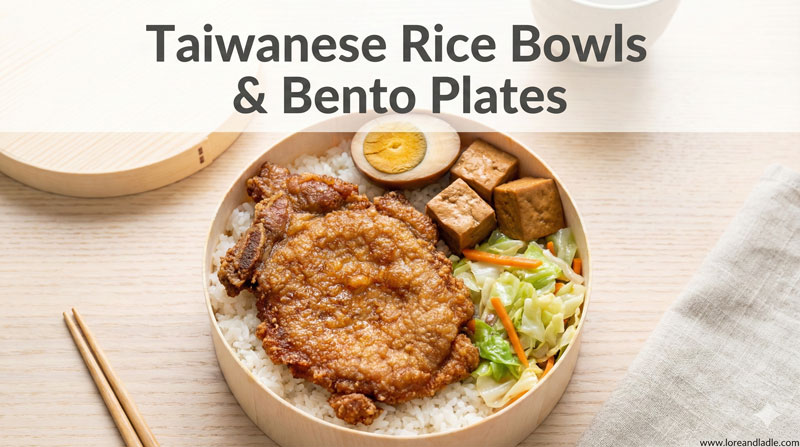
Discovering Best Taiwanese Rice Bowls And Bento Plates Recipes to Brighten Up Your Weeknights
Taiwanese rice bowls and bento plates offer a warm invitation to everyday cooking. They celebrate ingredients that are easy to find, prepared with care, and shared with family and friends. This article explores the cultural value and culinary significance of these dishes. It shows how a simple bowl can reflect tradition, skill, and a joyful approach to weeknight meals.
The heart of Taiwanese home cooking
In Taiwan, meals are often centered around a well-balanced plate of starch, protein, and vegetables. The rice bowl and the bento plate format supports this balance beautifully. First, rice is the anchor. It grounds flavors and provides a comforting texture. Then comes a protein that has been gently prepared to become both flavorful and tender. Finally, vegetables or pickles add color, crunch, and brightness. This combination creates a complete, satisfying meal in one attractive package.
These bowls are more than food. They embody a practical philosophy: quick, nourishing meals that can travel from kitchen to desk, school bag, or small dining table. They encourage mindful prep, because a well-made bowl tastes better when every component aligns in texture and seasoning. In Taiwan, this approach to weekly meals supports routine, health, and a sense of culinary pride.
Core components and cultural roles
A typical Taiwanese rice bowl or biandang (lunch box) mixes several key elements:
- Rice as the foundation: steamed, fragrant, slightly glossy when done right.
- A savory protein: braised pork, soy-marinated chicken, or a simple stir-fry beef. Each protein carries its own regional or family story.
- Vegetables and pickles: blanched greens, crunchy cabbage, or bright pickled mustard greens provide color and contrast.
- A glossy sauce or glaze: soy-based sauces, a touch of sweetness, sesame oil, and sometimes a citrus note.
- A finishing touch: a soft-boiled egg, a marinated egg, or a small amount of chili oil for warmth.
These components reflect a culture that values balance, texture, and harmony. They also mirror daily life: ingredients are chosen for availability, seasonality, and ease of preparation. The result is a dish that feels intimate and universally appealing at once.
Techniques that shape the style
Taiwanese bowls fuse tenderness with brightness through simple techniques:
- Slow braising and soy-glazing create depth in proteins, making flavors linger without heaviness.
- Quick stir-frying preserves the snap of vegetables, preserving color and aroma.
- Light pickling or kimchi-like condiments brighten the plate and invite a refreshing tang.
- Egg preparation ranges from a silky soft-boiled yolk to a firm, sliced topping, adding creaminess or bite.
- Finishing oils, sesame, and citrus lift the dish with a final aromatic note.
These techniques are accessible to Home Cooks. They encourage experimenting with local produce and family favorites while preserving the essential character of Taiwanese bowls: approachable, flavorful, and nourishing.
The bento plate culture and social flavor
Biandang culture blends practicality with care. Lunch boxes in Taiwan are more than meals; they are daily rituals. Parents prepare them for children, coworkers share similar boxes in office rooms, and street vendors offer ready-to-go versions for busy days. This culture values:
- Thoughtful portioning: each component has a place, contributing to a visually appealing plate.
- Freshness and aroma: meals are designed to be enjoyed soon after preparation, preserving texture and scent.
- Variety within balance: a single box often combines protein, greens, and pickles, creating a small, complete feast.
The bento plate format also teaches modular cooking. Cooks learn how a protein can pair with multiple vegetables, how sauces can unify different elements, and How to reuse leftovers creatively. In this way, the dish becomes a living tradition, adaptable and personal.
Seasonal and regional nuances
Taiwan’s climate and regions influence flavor choices. In the north, you might find lighter seasoning and a preference for milder greens. In the south, bolder garlic notes and richer sauces appear. Across towns, families swap notes about which vegetables are freshest, which soy sauces are preferred, and how long to braise a meat for maximum tenderness. This regional variety enriches the dish without breaking its core concept: a nourishing, balanced meal in a single plate.
Brightening weeknights with simplicity and care
Weeknights demand efficiency without sacrificing taste. These bowls meet that need with:
- Simple pantry staples: rice, soy sauce, sesame oil, and a few vegetables.
- Flexible proteins: swap pork for chicken or beef, depending on appetite and availability.
- Quick assembly: a fast sauce, a short braise, and a few cut vegetables come together in minutes.
- Comfort and welcome: the familiar aroma of soy and sesame invites calm and togetherness.
Cooking this way supports busy schedules while preserving the joy of home cooking. It also invites you to adapt recipes to your pantry, making the dishes truly your own.
Practical tips for home cooks
To recreate these bowls at Home with ease, try:
- Cook rice in batches and refrigerate for quick reheat. A little steam before serving helps restore fluffiness.
- Marinate protein ahead of time. A few hours or overnight can deepen flavor without extra effort.
- Prepare a small jar of pickles or quick pickled vegetables in advance for color and brightness.
- Keep a few go-to sauces on hand: a soy-sugar glaze, a chili-garlic oil, and a sesame-wasabi blend for finishing.
- Balance every box with a pop of green, a touch of acidity, and a protein that carries its sauce well.
These small steps help you assemble restaurant-like bowls at home, every night of the week.
Respecting tradition and sharing the craft
Delighting in Taiwanese bowls is about respect for technique and simple beauty. By honoring the traditional balance of ingredients and the careful preparation that goes into each box, you keep a living culture alive. At the same time, sharing your adaptations—whether a new vegetable, a different protein, or a personal spice level—enriches the dish for everyone. The goal is a warm, inclusive culinary experience that anyone can enjoy.
A closing invitation
Best Taiwanese Rice Bowls And Bento Plates Recipes to Brighten Up Your Weeknights offer more than flavor. They present a straightforward, thoughtful approach to everyday cooking. They remind us that nourishment, comfort, and cultural pride can come together in a few well-chosen ingredients and careful technique. Start with a favorite protein, add crisp greens, and finish with a bright sauce. Then share the result with loved ones. You will taste tradition, learn with pleasure, and brighten your weeknights with a delightful, culturally rich meal.