
Introduction
Welcome to a careful exploration of Best Taiwanese Rice Bowls And Bento Plates Favorites for Family Dinners in America. This guide celebrates the cultural value and culinary significance of these beloved dishes. Each bowl and plate speaks to home cooking, family rituals, and the joy of sharing a meal. The focus here is on flavor, technique, and the beauty of balance that these meals bring to American dining tables.
The Canvas: Rice as a Cultural Center
Rice serves as a generous canvas in Taiwanese cooking. It carries aroma, texture, and resinous comfort. When the grains are steamed to just the right fluff, they become a warm stage for toppings, braises, and seasonal vegetables. The rice bowl format invites variety: a protein, a handful of greens, a bright pickle, and a glossy sauce. In America, this structure adapts easily to different kitchens while preserving its core identity. The result is a dish that feels both familiar and distinct, inviting families to gather around a shared, colorful meal.
Classic Staples: The Core Flavors of Taiwan
A few staples anchor most Taiwanese rice bowls and bento plates. Braised pork over rice offers a deep, caramelized sauce with tender meat and velvety fat that clings to every grain. Soy-braised chicken with garlic and ginger presents a fragrant, lighter counterpoint, finished with a kiss of sesame. Beefeater-style beef shank or sliced beef with greens provides a savory, satisfying heart. Vegetables—braised greens, pickled carrots, or seasoned cabbage—bring brightness and crunch. The interplay of salty, sweet, and aromatic notes creates a harmonious flavor profile that remains comforting and distinct.
Bento Plates: Structure, Color, and Convenience
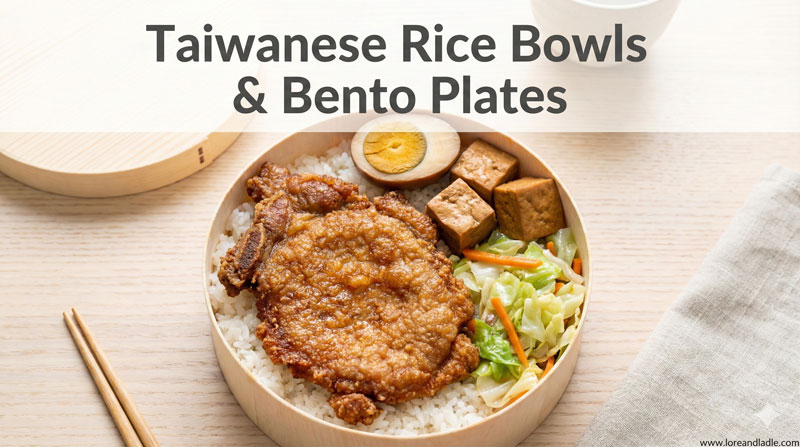
Bento plates translate well to family dinners at Home. A well-composed plate organizes protein, vegetables, and a small portion of starch into clean, colorful sections. The visual balance matters as much as the taste. Colorful vegetables, glossy sauces, and carefully placed pickles create an inviting scene that stimulates the appetite. In America, these plates fit into busy evenings, marketing a sense of care and order. The portable nature of bento arrangements also makes them ideal for sharing, picnics, or casual family meals.
Techniques That Elevate Everyday Dishes
Several techniques elevate Taiwanese rice bowls and bento plates. Slow braising builds deep, rounded flavors in pork and beef. Properly steamed rice achieves a light, pearly texture that holds sauces without becoming mushy. Quick stir-fries preserve color and crunch while folding in garlic, ginger, and scallions for freshness. A touch of sesame oil or a sprinkle of sesame seeds adds aroma and depth. Pickling vegetables introduces tang and brightness that cut through richer components. Together, these methods create dishes that feel thoughtfully prepared and deeply satisfying.
Regional Rhythms Within a Unified Style
Taiwanese home cooking embraces regional influences in flavor ladders and ingredient choices. Some kitchens emphasize braised soy, star anise, and five-spice notes for a warm, comforting bowl. Others favor lighter soy reductions, fresh herbs, and crisp vegetables for a brighter plate. Whether the bowl leans toward a heartier, darker profile or a lighter, citrusy finish, the guiding principle remains: balance, harmony, and a clear sense of place in each bite. This adaptability is part of the appeal for families in America, where cooks may lean into what’s seasonal and locally available while honoring tradition.
Serving with Heart: The Social Value of Family Dinners
Sharing a Taiwanese rice bowl or bento plate brings people together around a table. The act of serving, passing dishes, and savoring together strengthens daily rituals. The meals honor effort and care, from selecting ingredients to plating the final dish. In American homes, these bowls become a bridge between flavors and memories, inviting conversations about taste, technique, and the stories behind favorite ingredients. The result is a comforting social ritual rooted in food.
Sourcing and Seasons: Freshness as a Guide
Fresh ingredients illuminate these dishes. Crisp vegetables, bright herbs, and well-balanced proteins shine when prepared with respect for seasonality. In a home kitchen, choosing produce that looks vibrant and smells fresh helps every bowl feel lively and alive. Simple pantry staples—soy sauce, garlic, ginger, rice, and a touch of sugar—often tie the components together, letting the natural flavors of the ingredients lead the way.
Crafting Your Best Bowls: Practical Tips
- Start with good rice: rinse thoroughly, soak if possible, and steam to a soft, individual grain.
- Build in layers: protein first, then a bright vegetable or pickle, finishing with a glossy sauce.
- Aim for color contrast: greens, oranges, and browns create an inviting plate.
- Use a cohesive sauce: a lightly thickened glaze or braise that clings to rice makes each bite satisfying.
- Finish with aroma: a light drizzle of sesame oil or a scattering of sesame seeds elevates the dish.
A Respectful, Neutral Expression of Culinary Beauty
These dishes are celebrated for their beauty and balance. They invite curiosity about technique, ingredients, and traditions without dwelling on politics. The emphasis remains on flavor, texture, and the joy of sharing a well-prepared meal. The cultural value lies in how these bowls teach care, patience, and attention to detail, while the culinary significance emerges from their capacity to showcase a complete, satisfying meal in a single, well-composed plate.
Conclusion: A Warm Invitation to Explore
Best Taiwanese Rice Bowls And Bento Plates Favorites for Family Dinners in America offers a window into a thoughtful culinary language. By focusing on the craft of rice, braises, vegetables, and aesthetic plating, the dishes reveal a culture that loves balance, flavor, and family mealtime. Whether you cook at home or share these plates with friends, you invite a tradition that honors both technique and heart. Welcome to the experience of Taiwan’s rice bowls and bento plates, where every bite tells a story of flavor, family, and food done well.