
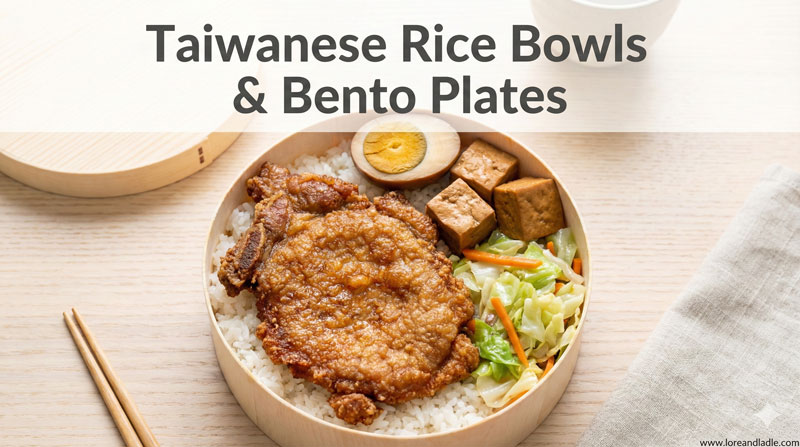
Welcome to Taiwanese Rice Bowls and Bento Plates
This post celebrates the beauty and culture behind Taiwanese rice bowls and bento plates. These dishes center on simplicity, balance, and seasonality. They honor generous textures, warm aromas, and inviting presentation. For new Home Cooks in the U.S., this collection offers approachable flavors that feel both timeless and fresh. The result is a table that welcomes conversation and shared bites.
Core elements that make the bowls sing
Rice forms the heart. A small, glossy mound of rice anchors each bowl, inviting the other flavors to rise in harmony. Proteins provide depth, from savory braises to tender, pan-seared cuts. Vegetables bring color, crunch, and brightness. Sauces tie everything together with a gentle sweetness, a salty edge, and a rich umami. A hint of pickled greens or a soft-cooked egg often finishes the plate. Together, these parts create a complete meal that is comforting, satisfying, and increasingly refined with every bite.
Flavor profiles and techniques you’ll encounter
Taiwanese bowls rely on a few reliable techniques. Braising slowly in soy, aromatics, and a touch of sugar yields tender meat and a glossy sauce. Searing first adds depth, then a splash of stock or wine builds a silky finish. Fresh vegetables are crisped or lightly blanched to keep color and bite. Sesame oil, ginger, garlic, and a kiss of pepper bring warmth without overwhelming the plate. The balance is key: salty, sweet, and savory notes rise and retreat in turn, guided by the natural sweetness of the ingredients and the glow of the rice beneath.
Classic bowls to try at home
- Braised pork over rice (lu rou fan): Tender pork in a soy-sugar glaze, slow-simmered until silky, spooned over steaming rice. Simple, deeply comforting, and endlessly customizable with a touch of star anise or cinnamon.
- Three-cup chicken: Chicken braised in equal parts soy sauce, sesame oil, and rice wine, with garlic and a handful of basil. The result is fragrant, glossy, and bright with herb notes.
- Beef and mushroom over rice: Sliced beef or brisket with mushrooms, finished in a savory sauce that clings to every grain of rice. A quick stir-fry finish keeps textures lively.
- Egg and pickle balance: Soft-cooked eggs and crisp pickled vegetables add a gentle tang and creamy richness, completing the bowl with contrast.
These bowls are forgiving and scalable. Start with one favorite and layer in vegetables or a lighter protein as you grow more confident.
The biandang: Taiwan’s thoughtful lunch plate
Biandang, or the lunch box, is a beloved form that blends protein, greens, and grains in a neat, portable package. In a well-made biandang, you’ll find a protein, a pickled or fresh vegetable, a small savory side, and a well-cooked grain. This arrangement highlights balance, color, and texture, inviting mindful eating. For new cooks, it’s a friendly way to practice timing, portioning, and the art of appealing plating. A well-composed biandang is not hurried; it is a small, edible story of a day’s work and care.
Practical kitchen guide for new home cooks in the U.S.
- Rice: Choose short-grain or medium-grain rice for a slightly sticky bite that holds sauces well. A rice cooker makes this easy, steady work.
- Proteins: Common options include pork, chicken, and beef. Look for cuts with natural tenderness and avoid over-frying to keep the dish light.
- Aromatics and sauces: Stock your pantry with soy sauce, a dash of dark soy for depth, a little sugar, rice wine or sherry, garlic, and ginger. Sesame oil adds a warm finish.
- Vegetables: Pickled greens, leafy greens, mushrooms, and carrots provide color and texture. Quick pickles brighten the plate and offer contrast.
- Eggs and toppings: Soft-boiled eggs or marinated eggs add richness. Fresh herbs, scallions, or chili oil can brighten the finish.
- Substitutions: If a specific ingredient isn’t available, swap X for Y while keeping the balance. For example, use chicken thighs instead of pork if you prefer a leaner texture, or substitute kale for mustard greens for a different green note.
- Equipment tips: A sturdy skillet or wok, a steamer basket for greens, and the rice cooker’s steady heat make the process easier. A sharp knife helps with even slices of meat and vegetables.
Plating, balance, and seasonal joy
Aim for color and contrast. Place a neat mound of rice, then arrange protein slices, vegetables, and a small garnish with care. A glossy sauce brushed lightly over the meat creates visual appeal without soaking the rice. Seasonal produce—thinly sliced radish in spring, pickled cucumber in summer, roasted squash in autumn—brings freshness and relevance to the plate. The goal is a bowl that looks as inviting as it tastes, a small celebration of everyday cooking.
A gentle conclusion: sharing taste and craft
Best Taiwanese rice bowls and bento plates invite exploration, patience, and joy. They honor a simple truth: a well-prepared bowl can be both comforting and elegant. For new home cooks in the U.S., these dishes offer a welcoming pathway to mastering balance, technique, and presentation. With careful timing and a little curiosity, you can bring the warmth and charm of Taiwan’s street-to-table flavors into your own kitchen, one delicious bowl at a time.