
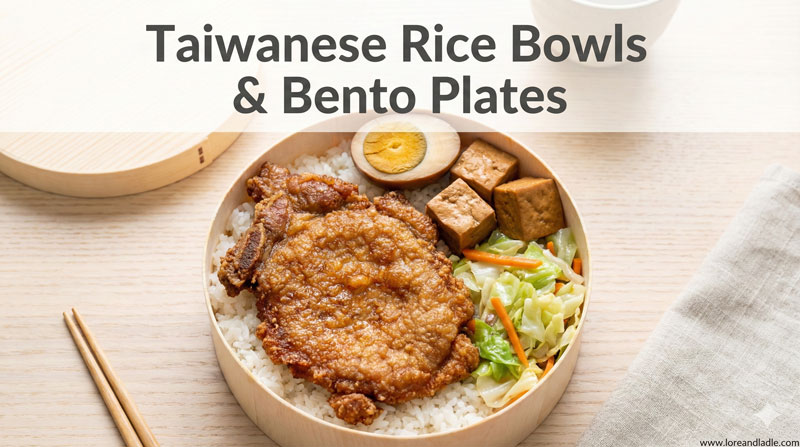
Introduction: Best Taiwanese Rice Bowls And Bento Plates Dishes for Family Dinners in America
This post celebrates a beloved theme in many kitchens: Taiwanese rice bowls and biandang plates. These dishes offer warmth, color, and balance to Family Dinners in America. They showcase how simple ingredients can become comforting, shareable meals. You will discover how these bowls and boxes express culture through flavor, texture, and care. The focus here is on cultural value and culinary significance, not on politics. Welcome to a journey of aroma, technique, and togetherness.
Cultural value: The heart of shared meals
Taiwanese rice bowls and biandang are built for sharing. Each bowl presents a compact story of how flavors meet at the table. The rice anchors the plate, while meat, vegetables, and pickles arrive in harmony. Families gather around the table, pass bowls, and smile at the colorful layers. The act of packing a biandang or ladling a bowl becomes a small ritual—an everyday ceremony that honors hospitality. In America, these meals fit naturally into weekly dinners, potlucks, and Sunday gatherings. They invite conversation about favorite ingredients, family favorites, and seasonal produce. The culture behind these dishes is one of care, balance, and welcoming plenty for everyone.
Culinary significance: Techniques that elevate everyday cooking
The beauty of Taiwanese rice bowls lies in technique as much as in taste. Gentle braising softens meat and infuses sauce with depth. Quick stir-fries deliver bright greens and crisp textures. Steamed eggs, marinated tofu, and pickles add layers of nuance. A key idea is balance: salty, sweet, sour, and umami mingle without shouting. The rice acts as a neutral canvas, ready to absorb sauce and aroma. Aromatics like garlic, ginger, scallion, and sesame bring warmth. A final kiss of sesame oil or roasted sesame seeds finishes the dish with fragrance. This approach makes humble ingredients feel refined and purposeful.
Core components: Building blocks of a complete bowl or biandang
A Taiwanese rice bowl or biandang often relies on these essential parts:
– Rice: Short- to medium-grain rice provides a soft, slightly sticky base.
– Protein: Braised pork, soy-marinated chicken, or beef are common favorites.
– Vegetables: Greens, mushrooms, or pickled cucumbers add color and crunch.
– Sauce or braising liquid: Soy, sugar, rice wine, and sometimes five-spice create depth.
– Pickles and quick salads: A bright pickle or cucumber salad lightens the plate.
– Garnishes: Chopped scallions and sesame seeds finish with aroma and sparkle.
In biandang, these components are arranged with care in compartments. The presentation itself becomes part of the experience, inviting curiosity and anticipation.
Popular dishes and variations: A few timeless ideas
- Lu rou fan (braised pork over rice): Pork is slowly braised in soy and aromatics, then spooned over soft rice. The result is tender meat with a glossy sauce that coats every grain.
- Niu rou fan (beef over rice): Tender beef slices mingle with braised mushrooms and greens. A touch of soy glaze brings harmony to the bowl.
- Three-cup chicken over rice: Chicken braised in equal parts soy, rice wine, and sesame oil with garlic and ginger. The aroma fills the kitchen and invites a second helping.
- Egg and greens bowls: Fluffy eggs layered with greens and a touch of pickled cucumber offer a lighter, comforting option.
These variations show how adaptable the format is. Each version keeps the core idea: a complete, satisfying meal centered on rice.
Bringing this tradition to American family dinners
In American homes, these dishes travel well. They adapt to familiar pantry items, making them easy to prepare after work. Families can tailor spice levels, add favorite vegetables, or swap proteins to suit preferences. The concept remains the same: a set of flavors and textures that come together in one comforting meal. The bowls and biandang become a way to celebrate everyday life, with a nod to Taiwanese cooking methods and seasonal ingredients.
Plating and table presence: How to present a Taiwanese table
To create an inviting table, consider these tips:
– Use a variety of bowls: contrast textures and colors with different bowls for rice, protein, and vegetables.
– Layer color: bright greens, warm browns, and ruby reds catch the eye and invite tasting.
– Keep it modular: smaller portions allow guests to mix and match their favorite components.
– Add a bright finish: a drizzle of sesame oil, a sprinkle of sesame seeds, or chopped scallions adds aroma at the moment of serving.
– Create a mini biandang experience: small compartments for each component can echo the lunchbox tradition in a modern home.
Ingredient spotlight: Simple choices with big impact
- Rice: Choose good-quality short- or medium-grain rice for a tender bite that holds sauce.
- Protein options: Pork belly or lean pork for a rich braise; chicken thigh for juiciness; beef slices for depth.
- Vegetables: Leafy greens, mushrooms, carrots, and cucumbers provide crunch and color.
- Flavor boosters: Garlic, ginger, soy sauce, a touch of sugar, and a splash of rice wine add character.
- Garnishes: Scallions and sesame seeds finish with fragrance and texture.
These choices keep the meals accessible while preserving authentic flavor. They also allow cooks to use what’s on hand, which makes the dishes practical for weeknight dinners.
Nutritional balance and family-friendly appeal
Taiwanese rice bowls emphasize balance: protein, vegetables, and rice combine to create a satisfying meal. The technique of braising or quick stir-frying preserves nutrients and flavor. The result is a nutrient-dense option that fits well into many dietary patterns. For families, these bowls offer flexibility and comfort, making it easy to share a warm meal without heavy preparation.
Final thoughts: A celebration of flavor, technique, and togetherness
Best Taiwanese Rice Bowls And Bento Plates Dishes for Family Dinners in America highlights how culture and craft meet at the table. The bowls and biandang are more than meals; they are expressions of care, balance, and seasonal joy. By embracing accessible technique and thoughtful plating, families can create meals that feel both authentic and welcoming. The result is a living tradition that guests and hosts can enjoy together, meal after meal.