
Introduction
Welcome to a celebration of flavors and culture in the dish collection titled Best Taiwanese Rice Bowls And Bento Plates Favorites to Brighten Up Your Weeknights. This post highlights the cultural value and culinary significance of Taiwanese rice bowls and biandang (bento) plates. These meals are more than sustenance; they are daily rituals that honor balance, hospitality, and seasonal produce. When weeknights feel long, these bowls offer warmth, color, and a comforting aroma that proverbially says “you are cared for.” Join me as we explore how these dishes reflect a rich food culture and why they matter in kitchens around Taiwan and beyond.
The Heart of Taiwanese Rice Bowls
Rice sits at the center of these bowls. It is the steady base that carries a chorus of flavors. A protein, such as braised pork, soy-marinated chicken, or tender tofu, provides depth. Bright vegetables add crunch and freshness, while pickles or a glossy sauce tie the elements together. The result is a compact harmony: warmth from the starch, savor from the protein, and brightness from the vegetables. The technique often blends slow braising with quick stir-frying, a rhythm that honors patience and efficiency in daily cooking. In short, these bowls illustrate how simple ingredients can sing when balanced with care.
Biandang: The Taiwanese Bento Experience
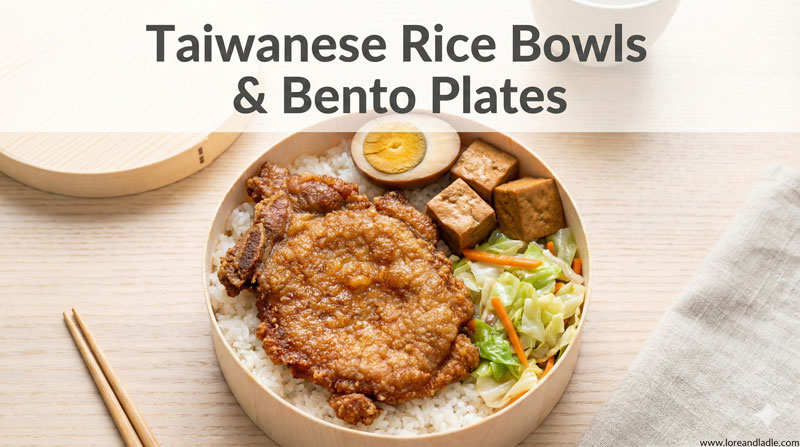
Biandang, the Taiwanese lunchbox tradition, is a daily expression of thoughtfulness and practicality. A well-composed biandang blends multiple textures: silky rice, juicy protein, crisp pickles, and a delicate smear or glaze. Typical plates feature three to four thoughtfully arranged components that travel well and reheat cleanly. The presentation matters because the box invites curiosity and anticipation. In homes, schools, and workplaces, biandang is a small ceremony: a favorite dish carried with respect into a busy day, then enjoyed slowly over a short break. This tradition highlights the value placed on nourishment, order, and sharing in everyday life.
Flavor, Texture, and Balance
The culinary signature of these bowls is balance. Sweet meets savory; soft meets crisp; rich sauces mingle with bright vinegars or pickles. Umami threads run through soy-based glazes, mushroom accents, and cured meats, while citrus zest or pickled vegetables brighten the plate. Texture plays a starring role: the tender meet of braised meat, the bite of blanched greens, the snap of fresh cucumber or pickles. This balance is not accidental; it reflects a philosophy of harmony in food that many home cooks aim to achieve with every bowl.
Seasonal Inspirations and Core Ingredients
Seasonality shapes the menu. In spring, fresh greens and aromatic herbs brighten rice bowls. Summer brings lighter sauces and crisp vegetables. Autumn favors mushrooms and heartier proteins for depth, while winter leans on warming braises and comforting textures. Core ingredients often include short-grain or medium-grain rice, soy or miso-based sauces, garlic and ginger, and a careful mix of vegetables like bok choy, pickled mustard greens, daikon, and cucumber. These elements travel well in a biandang, too, making the plates practical as well as flavorful.
Regional Echoes in a Bowl
Taiwan’s culinary map offers a spectrum of flavors that find a home in rice bowls and biandang. Expect soy-tender braises, subtle five-spice notes, and occasional sweet soy glazes. Some bowls showcase sesame oil and roasted garlic for a toasty finish. Regional touches appear through pickles and greens that echo local markets. The result is a comforting snapshot of a place where Home Cooking and street food sit side by side, each enriching the other with shared techniques and familiar tastes.
Preparation Rhythm for Weeknights
These dishes shine when you can plan a little ahead. Start with a protein that braises well or a sauce that can be reheated smoothly. Meanwhile, steam or simmer vegetables to keep colors vibrant. Assemble rice bowls by layering warm rice, protein, vegetables, and a bright finishing drizzle. Biandang thrive on contrast: a gentle protein with a bold pickle or a crisp vegetable. The rhythm is practical, inviting, and repeatable, which is why these bowls brighten weeknights with predictability and delight.
A Note on Craft and Respect
Craft in Taiwanese bowls honors both technique and seasonality. It recognizes that a good bowl rises from well-chosen ingredients, clean knife work, measured heat, and a patient hand. Respect for the dish means preserving its balance and letting each component speak. The result is food that feels familiar yet distinctly expressive of its place.
Conclusion
Best Taiwanese Rice Bowls And Bento Plates Favorites to Brighten Up Your Weeknights invites you to savor a culinary tradition built on balance, practicality, and care. These bowls and biandang plates offer more than nourishment; they offer a window into everyday life, family rituals, and the artistry of a well-composed meal. By embracing this collection, you honor a vibrant food culture that celebrates color, texture, and the joyful act of sharing a well-made bowl at the end of the day.