
Introduction: A Dish That Brings Taiwan’s Flavors Home
Top 10 Taiwanese Street Food And Night Market Snacks Recipes That Bring Taiwan’s Flavors to Your Kitchen is more than a list. It is a doorway to the heart of Taiwan’s food culture. Each snack carries memory, craft, and care. These bites travel from bustling night markets to your stove, inviting you to taste a shared tradition. The flavors are bright, comforting, and true to the land that nurtures them. In this post, we explore why these dishes matter and how their culinary craft can enrich your kitchen.
The Night Market as a Cultural Stage
Taiwan’s night markets are lively theaters of sound, scent, and texture. Vendors mix humor with skill, turning simple ingredients into signature bites. The same ethos guides Home Cooks who recreate these flavors. Precision matters: the heat, the seasoning, the balance of sweet, sour, and savory. Yet the spirit stays friendly and welcoming. A night market snack is more than food; it is a small ritual of sharing. This article highlights ten snacks that showcase that culture, while giving you practical ideas to cook with pride.
1) Gua Bao: The Folded Dream of Pork and Pepper
Gua Bao is a soft steamed bun cradling fragrant pork, pickles, cilantro, and crushed peanuts. The texture plays a dance between tender filling and pillowy bread. Culturally, it evokes street markets where vendors craft each bun by hand. In the kitchen, you can recreate that balance with a light steam, a savory pork filling, and a crisp topping. The dish teaches restraint in seasoning and joy in contrast—the creamy pork against crisp toppings.
2) Oyster Omelette: Sea Sweetness in a Pan
Oyster Omelette merges briny oyster, fluffy eggs, and a starch batter. The result is a glossy, chewy bite with a slightly caramelized edge. In Taiwan, this dish illustrates sea-to-table thinking and homegrown technique. It celebrates the land’s shorelines and the vendor’s quick hand. at Home, a quick stir-fry and a lightly thickened sauce capture the texture and bright flavor. It reminds us how simple components can sing together when cooked with care.
3) Stinky Tofu: Fermentation as Flavorful Craft
Stinky Tofu teaches patience and balance. Fermented tofu is far more than aroma; it is a depth of flavor shaped by time and temperature. The crisp exterior contrasts with a creamy, savory center, often served with a tangy sauce and herbs. Culturally, it reflects a tradition of fermentation used to preserve and elevate ingredients. In your kitchen, you can experiment with a mild version and a quick-fry finish to appreciate the textural journey and the clean, peppery aftertaste.
4) Salted Crispy Chicken: Crunch, Juiciness, and Comfort
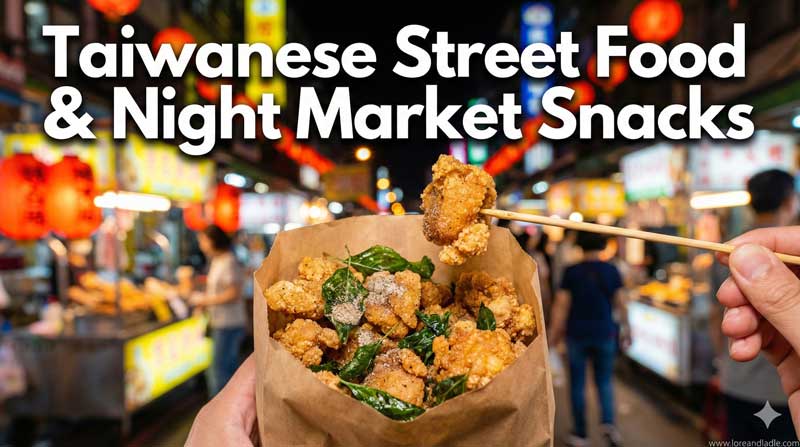
Salted Crispy Chicken offers a crunchy crust and juicy meat. The spice mix and the careful dusting create a bite that feels both familiar and distinctly Taiwanese. In night markets, the aroma invites crowds and becomes a social moment. For home cooking, you can achieve the same effect with a light marinade, a dry rub, and a hot oil finish. This dish highlights how texture—crisp outside, tender inside—anchors flavor in a snack.
5) Scallion Pancake: Layered Warmth in a Flat Cake
Scallion Pancake is a savory, flaky bread that blends simple dough with fresh green onion. The cooking method—pan-frying to a crisp, then layering—creates a toasty surface and a springy interior. The pancake represents everyday ingenuity: turning a few staples into a comforting bite. In your kitchen, use a hot skillet, gentle folding, and a final sear to bring out the onion sweetness and the dough’s chew.
6) Beef Noodle Soup: Slow Sizzle and Deep Comfort
Beef Noodle Soup is a bowl that invites slow simmer and careful seasoning. Tender beef, fragrant broth, and chewy noodles come together in a harmony that tells a long story of regional markets and home kitchens. The cultural value lies in shared bowls and family recipes passed across cooks. Home cooks can honor this tradition by simmering bones and spices with patience, adjusting salt, and finishing with fresh herbs for brightness.
7) Iron Egg: A Small, Aged Treasure
Iron Eggs are shelved and dried eggs that deepen with time. The technique—repeated simmering and drying—creates a chewy, intensely flavored snack. The dish embodies resourcefulness and the joy of turning pantry staples into a lasting treat. In your kitchen, you can mimic the concept with dried eggs or a small test batch of well-seasoned, slow-dried bites. The result is a reminder that aging can refine texture and taste.
8) Mango Shaved Ice: Sunshine in a Bowl
Mango Shaved Ice brightens the palate with tropical fruit and icy sweetness. It captures Taiwan’s love of cool desserts in warm weather and the artistry of layering fruit, syrup, and ice. The cultural value is clear: a shared treat that invites conversation and smiles. At home, shave ice finely, layer ripe mango, and finish with a light drizzle of syrup to recreate that joyful, refreshing finish.
9) Taro Balls with Grass Jelly: Comfort in Gentle Texture
Taro Balls and Grass Jelly combine soft taro-tasted spheres with cool grass jelly. The dish feels gentle on the tongue and comforting to the soul. It reflects the preference for rounded textures and balanced sweetness in Taiwanese desserts. In the kitchen, you can make taro paste, roll into small balls, and pair with chilled grass jelly for a soothing, easy-to-make dessert that still carries a street-market charm.
10) Grilled Squid Skewers: Char, Sea, and Social Heat
Grilled squid skewers bring a smoky aroma and a chewy bite. The skill lies in quick, high-heat grilling and a bright finishing sauce. In night markets, these skewers are a social ritual: friends share a skewer, swap stories, and savor the moment. At home, a hot grill or grill-pan, a simple glaze, and a squeeze of citrus capture that social, coastal memory in a single bite.
Bringing Taiwan’s Flavors to Your Kitchen: A Quick Note on Craft and Care
Each snack above carries a method that respects its origin. Keep your kitchen ready for experimentation, but let the balance of flavors guide you. Start with modest amounts of salts and sugars, then adjust as you taste. Use fresh herbs and bright condiments to mirror the market’s lively palate. When you plate, remember that presentation matters as much as technique. A neat arrangement, a drizzle of sauce, and a sprinkle of herbs can elevate a home dish to a market memory.
Conclusion: A Tasteful Journey Across Flavors
These ten snacks invite you to honor Taiwan’s street food culture without leaving your kitchen. The dishes reveal how tradition, technique, and taste travel together. They show that culture is edible, accessible, and welcoming. By cooking with care and curiosity, you keep a living link to Taiwan’s night markets and the people who craft these bites every day. Let these recipes be your gateway to a richer, more flavorful kitchen.