
Welcome to Taiwanese Street Food: Culture on a Plate
Taiwan’s night markets are celebrated for more than great bites. They’re living classrooms where flavor, craft, and care meet. Each snack carries a story of seasonal produce, regional techniques, and shared moments with friends and family. For new Home Cooks in the U.S., these dishes offer approachable ways to explore Taiwan’s food culture at Home. The goal is to honor the beauty of the dishes while mastering practical kitchen skills.
Core Dishes: Signatures of Texture and Balance
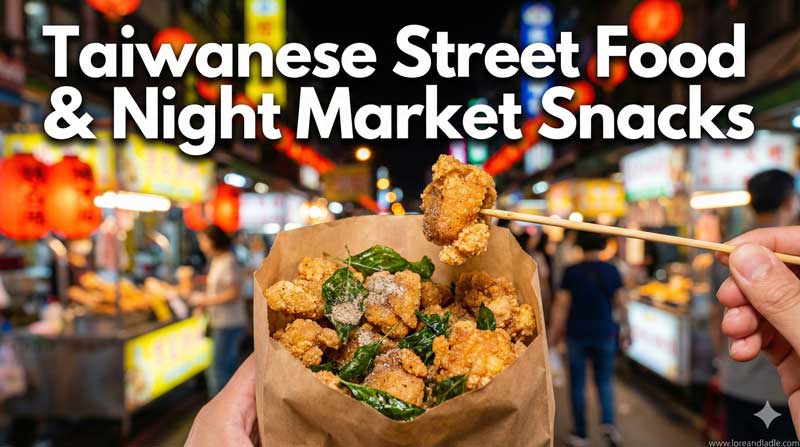
Taiwanese street food shines through a handful of iconic bites. Gua bao, the fluffy steamed bun sandwich, pairs tender braised pork with crisp pickles, herbs, and crushed peanuts. The contrast of soft bun and savory filling makes a memorable first impression. Lu rou fan, a braised pork rice dish, teaches balance—the sweetness of caramelized pork meeting a savory soy glaze over warm rice. Taiwanese popcorn chicken delivers a playful crunch: bite-sized meat, seasoned and fried until golden, finished with a hint of garlic salt. The oyster omelette blends eggs, tender oysters, and a starchy batter into a creamy-saucy bite with a bright, peppery finish. Finally, scallion pancake, pan-fried to flakey layers, invites you to savor warmth, scallions, and a touch of toasty crust. Each dish emphasizes texture and harmony, inviting cooks to layer seasonings, adjust salt, and time the elements just right.
Techniques That Travel Well to Your Kitchen
The heart of Taiwanese street food lies in technique as much as flavor. Braising creates deep, sweet-salty pork for gua bao and lu rou fan. Frying yields crisp, light coatings for popcorn chicken. Steaming forms the soft, cloud-like buns that cradle fillings. Batter work in oyster omelette teaches you how starch can transform texture, turning oysters and eggs into a cohesive bite. Finally, the simple art of pickling or quick pickles adds brightness that lifts rich braises. In your kitchen, you can translate these ideas with familiar tools: a sturdy wok or skillet, a steamer or bamboo rack, a shallow pot for braising, and a thermometer for precise frying. Start with small batches, taste often, and build confidence with each dish.
Tools, Pantries, and Substitutions for U.S. Kitchens
You don’t need a specialty market to enjoy these flavors. Build a flexible pantry first. Stock soy sauce, rice wine or dry sherry, a touch of sesame oil, five-spice powder, garlic, and fresh ginger. Keep a bag of flour or potato starch for light batters. For bao buns, you can buy ready-made bao or steamed buns from many grocery stores; if you prefer, use soft pretzel buns or pita rounds as a close substitute. Pork belly is delicious, but you can substitute chicken thighs, firm tofu, or mushrooms for lighter meals. For gua bao fillings, use a quick marinade of soy, sugar, and a splash of rice wine. For the oyster omelette, if oysters aren’t available, small bay scallops offer a comparable ocean note. A good pantry note: balance sweet, salty, and sour elements to mirror the street market rhythm. With these tools and substitutions, you can craft authentic flavors in a standard home kitchen.
The Night Market Experience in Your Kitchen: Social and Seasonal
Night markets are beacons of community, seasonality, and shared delight. The layout encourages small, varied bites, encouraging tasting and conversation. In your own kitchen, you can recreate that sense of variety by planning a tasting night: small portions of several snacks served family-style. Fresh ingredients shine when you’re close to the source—plan around peak produce, local herbs, and seasonal Asian vegetables available in your area. The aromas—garlic, soy, and sesame—travel through the house, inviting everyone to gather. This experience emphasizes hospitality, balance, and the joy of flavors that evolve with each bite. Recreating the mood with dim lighting, soft music, and a simple, communal layout can make a home-cooked spread feel like a night market in your dining room.
A Quick Start Menu for New Home Cooks in the U.S.
-
Day 1: Gua Bao with Pork Belly or a savory mushroom filling. Prepare the pork braise a day ahead if possible. Steam fluffy buns, assemble with pickles, cilantro, and crushed peanuts. Serve with a simple cucumber pickles to brighten the plate.
-
Day 2: Lu Rou Fan (Braised Pork Rice). Use a gentle braise with soy, sugar, star anise, and a touch of rice wine. Serve over warm rice with steamed greens. This dish builds confidence in slow, layered flavor development.
-
Day 3: Taiwanese Popcorn Chicken. Marinate bite-sized chicken in soy, garlic, and five-spice; coat lightly with cornstarch and fry until crisp. Finish with a pinch of salt or pepper and serve with a zesty dipping sauce.
-
Day 4: Oyster Omelette or a Scallion Pancake night. If oysters aren’t available, try a scallion pancake topped with fried eggs and a light soy glaze. The goal is harmony between crisp edges and tender centers.
-
Quick pairing: Bubble tea-inspired drinks or a simple iced tea with jasmine or oolong to complete the experience.
This simple rotation helps new home cooks build skills gradually while exploring a broad spectrum of textures and flavors. Each dish reinforces fundamentals—braising, steaming, frying, seasoning, and timing—while celebrating Taiwan’s culinary artistry.
Final Thoughts: Cultural Value and Culinary Significance
Taiwanese street food offers more than taste. It reflects a community ethic: sharing, seasonality, and the pleasure of good conversation over great food. For new home cooks in the U.S., these dishes provide an inviting pathway into a rich culinary culture. They teach balance, technique, and the joy of cooking with intention. By embracing these snacks and small plates, you invite a sense of place into your kitchen and celebrate the artistry that makes street food beloved around the world. Enjoy the process, honor the flavors, and savor the connection between food, memory, and everyday life.