
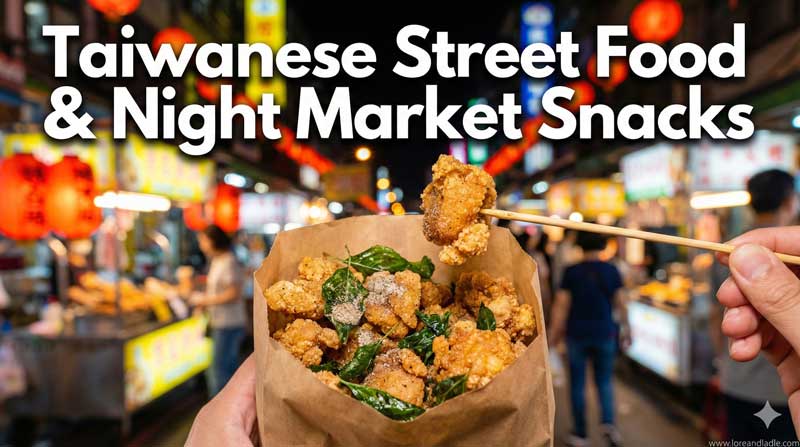
Best Taiwanese Street Food And Night Market Snacks Ideas That Bring Taiwan’s Flavors to Your Kitchen
Introduction
Taiwanese street food is a living celebration of everyday craft and seasonal ingredients. This collection—Best Taiwanese Street Food And Night Market Snacks Ideas That Bring Taiwan’s Flavors to Your Kitchen—invites you to explore flavors, textures, and aromas that define Taiwan’s food culture. The idea is simple: take the heart of the night market, the careful technique of the home kitchen, and create meals that feel both festive and familiar. The result is warmth, curiosity, and a deeper appreciation for how a few bites can carry a place’s story.
The Pulse of Taiwan: Market Culture and Community
Night markets are social hubs where neighbors meet and vendors share tips with happy regulars. The air carries the scent of sizzling oil, grilled meat, and citrusy sauces. Stalls open at dusk, turning quiet streets into lively corridors of aroma and color. Food here is more than sustenance; it’s a ritual of gathering, testing new tastes, and passing down small family recipes. Each stall specializes in a signature technique or ingredient, and that expertise becomes part of Taiwan’s culinary language. When you try these snacks, you taste a tradition of skill, patience, and joy in sharing food with friends and family.
Signature Flavors and Techniques
What makes Taiwanese street food unique begins with balance. The best bites blend salty, sweet, sour, and umami in careful harmony. Texture plays an equally important role: crackly crusts, tender fillings, and crisp edges create a lively mouthfeel. Two cornerstones recur across many snacks: wok hei and thoughtful pickling. Wok hei describes that smoky, high-heat aroma that comes from quick, precise tossing in a very hot pan. Pickling adds brightness and acts as a counterpoint to richer fried items. Common seasonings—soy sauce, rice wine, a touch of sugar, garlic, and chili—merge with sesame and peanuts to create depth rather than heaviness. This culinary language is what you’ll encounter in the ideas below, and it serves as a bridge from stall to stove.
Snack Highlights You Can Recreate at Home
Here are representative ideas you can adapt in your kitchen, each paired with a home-friendly note:
-
Stinky tofu with pickled cabbage and chili sauce. This iconic bite balances potent aroma with crisp exterior and a tangy pickle. at Home, try a quick batter for a light crust and serve with a bright, vinegary slaw to soften the intensity.
-
Oyster omelette. A golden, slightly chewy omelette studded with oysters and a starch slurry gives structure and gloss. The key is a hot pan and a quick, confident flip to seal in moisture and create a delicate veil of sauce.
-
Gua bao (Taiwanese pork belly bun). Imagine a fluffy steamed bun hugging braised pork, crisp pickles, herbs, and a touch of crushed peanuts. Home version: use pre-steamed buns, a quick braise, and fresh toppings to capture the balance of textures.
-
Scallion pancake or fried pancake with savory fillings. A crisp, layered pancake offers a satisfying bite with a fragrant onion note. A simple green onion glaze or sesame oil finish seals the flavor.
-
Bubble milk tea (pearl tea). A refreshing partner to any snack, brewed strong tea with milk and chewy pearls is both comforting and iconic. Make it at home with a strong tea base, a touch of vanilla or milk, served over ice.
-
Grilled squid skewers or fried tofu skewers. These items bring a smoky or crisp bite and pair beautifully with citrus, chili, or cilantro to brighten the palate.
-
Sweet potato or taro balls. Soft inside, with a shimmery sugar crust, these bites celebrate root vegetables with gentle sweetness and warmth.
Each of these ideas is a doorway to Taiwan’s flavors. They emphasize balance, texture, and the joy of sharing food that travels well from stall to kitchen.
From Stall to Stove: Bringing Taiwan Home
Bringing Taiwan’s street flavors into your home is less about replicating a stall and more about honoring the technique and seasonal ingredients. Start with a plan:
-
Use high heat and quick methods when possible to emulate wok hei. A well-seasoned skillet can mimic that sear when you toss ingredients rapidly.
-
Build a simple pantry of Taiwan-friendly staples: soy sauce, rice vinegar, sesame oil, a touch of sugar, and a bright pickling mix. Fresh herbs like cilantro and scallions lift every dish.
-
Focus on balance. If a dish feels heavy, add a pickle or a splash of vinegar. If it’s too sharp, a small spoon of sugar can mellow it.
-
Prepare components in advance. Many night-market bites rely on a crisp exterior and a tender interior. Crisp edges stay better when components finish separately and are combined at the end.
-
Respect texture. A good bite delivers at least two contrasting textures—crisp on the outside and tender inside, or sticky and smooth in harmony.
This approach makes the experience of Taiwan’s street food accessible, even in a home kitchen. It also invites you to experiment while staying faithful to core flavors and techniques.
A Sensory Map: Texture, Aroma, and Color
Taiwanese snacks are a sensory celebration. The aroma of sizzling oil, the crisp crackle under a chop, the gleam of glaze, and the pop of a pearl milk tea—all work together to invite curiosity. Color plays a role, too: the deep brown of a soy glaze, the pale green of scallions, the amber glow of fried coatings, and the vivid orange of a spicy sauce. Texture is the thread that ties everything together—whether it’s a bite that yields to a gentle bite or a crust that shatters with a satisfying crunch. When you look at the plate, you should see a mosaic of shapes and tones that communicate both craft and care.
Cultural Value and Culinary Significance
This collection honors Taiwan’s culinary heritage without claiming it as a single tradition. It highlights how street food mirrors daily life: gatherings after work, family snacks on a weekend stroll, and the simple joy of sharing something delicious. The culinary significance lies in how each bite reflects techniques developed over generations, the use of local ingredients, and a culture that values hospitality. It also shows the artistry in combining flavors to achieve balance, seasonality, and a sense of place. By exploring these ideas, you connect with a culinary map that many people in Taiwan recognize and cherish, then translate it into your own kitchen with respect and curiosity.
Final Thoughts
Best Taiwanese Street Food And Night Market Snacks Ideas That Bring Taiwan’s Flavors to Your Kitchen invites you to celebrate flavor, community, and skill. The dishes are more than food—they’re stories told through texture, aroma, and sweetness. Whether you recreate a stinky tofu bite or a gua bao at home, you’re honoring a tradition built on shared meals and thoughtful preparation. Enjoy the process, savor the outcomes, and let Taiwan’s vibrant street-food culture enrich your cooking and your table.