
A Window Into Uzbek Culinary Culture
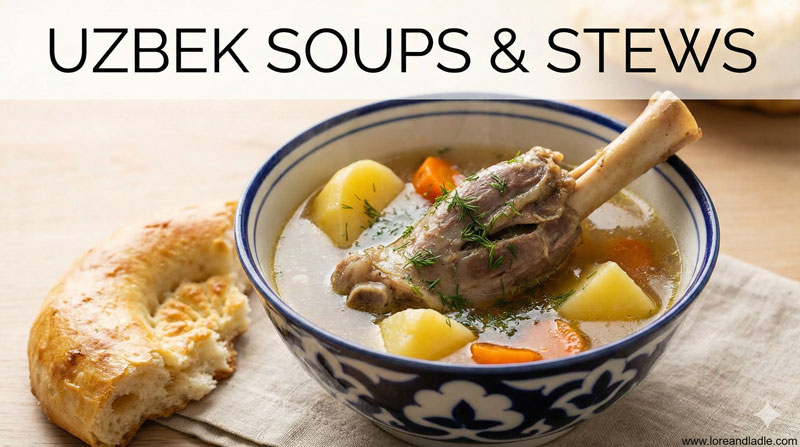
Tandoor bread stands at the heart of Uzbek cuisine. It is more than a loaf; it is a symbol of warmth, welcome, and shared meals. Baked in a clay oven called a tandyr, the bread carries the aroma of wood and flame into the kitchen. The moment the dough meets the hot walls, a blistered crust forms and the soft interior comes alive. In every village and city, this bread makes the table feel complete, especially when paired with hearty soups and stews.
The Craft of Tandoor Bread
This bread begins with simple ingredients: flour, water, salt, and a touch of yeast. The dough rests, then gently stretched and shaped into a round, high-edged loaf. Bakers press the dough to cling to the inside of the tandyr, turning it into a yellow-gold disc with a delicate char on the bottom. The baking is swift, precise, and full of skill. Each loaf bears the mark of its maker and the heat of its oven. The result is a bread that is crisp at the edges, soft in the center, and wonderfully aromatic.
Flavor Harmony With Soups and Stews
Uzbek soups and stews gain fullness when they meet tandoor bread. Shurpa, a comforting meat-and-vegetable broth, becomes richer as the bread soaks up its clear, savory depth. The bread can be torn into chewy shards to dip into the broth, or used to scoop up tender chunks of meat and vegetables. In other dishes, the bread acts as a wrap for stews, catching every drop of sauce and every spice note. The combination is balanced: the bread’s gentle sweetness and blistered crust contrast with the savory, simmered flavors of the soups and stews.
Cultural Significance of Shared Meals
In Uzbek dining, food is a bridge between people. Tandoor bread invites conversation and connection. It is often placed at the center of the table, easy to reach and easy to share. Families gather around warm loaves, break them by hand, and pass them along with smiles. The bread becomes a vehicle for hospitality, a tangible sign of care and generosity. This simple loaf reveals the patience and joy embedded in everyday cooking, turning a meal into a moment of togetherness.
Regional Variations and Personal Touches
Across Uzbekistan, bakers add their own touches to nan. Some models feature sesame seeds or nigella seeds on top. Others show a delicate pattern pressed into the dough. The center may be softer in some versions, while the edges stay crisp. Each region and home adds its own rhythm, yet the core experience remains the same: a round, warm bread that welcomes every guest. These subtle differences enrich the language of food and highlight the craft’s versatility.
Tips to Enjoy Tandoor Bread at Home
- If you don’t have a tandyr, you can bake in a very hot oven or on a grill to mimic the high heat.
- Brush the loaf with a touch of water before baking to help form a glossy crust.
- Add sesame or caraway seeds for a fragrant finish.
- Serve warm, with a bowl of shurpa or a comforting meat stew, and let the bread do the lifting of flavors.
A Living Tradition in Modern Kitchens
Tandoor bread remains a vibrant part of Uzbek cooking. It travels gracefully from traditional homes to contemporary kitchens, preserving its role as a reliable companion to soups and stews. The loaf teaches balance: simple ingredients, patient technique, and a final result that tastes of warmth and home. It is a reminder that great flavor often begins with humble basics and a generous spirit at the table.
In Closing
Best Recipes for Tandoor Bread – Uzbekistani Soups & Stews Flavor You’ll Love invites you to savor more than taste. It celebrates a bread that carries memory, community, and care. When you bite into a warm nan and scoop from a fragrant bowl, you taste a culture that honors sharing, craft, and everyday joy.