
Introduction
In this blog post, we explore Best Recipes for Tandoor Bread – Uzbekistani Salads & Appetizers Flavor You’ll Love. This dish highlights the timeless drama of a hot tandoor oven, the soft chew of traditional bread, and the bright freshness of Uzbek salads. The combination speaks to a shared table where hospitality and daily life come together. Expect aromas that invite, textures that delight, and a sense of place that comes from generations of bakers, farmers, and Home Cooks. The focus here is cultural value and culinary significance, not trends alone. You will feel how tandoor bread anchors meals, how salads sing beside it, and how the whole spread shows love for seasonal ingredients and careful technique.
The Central Role of Tandoor Bread in Uzbek Cuisine
Bread is the anchor of Uzbek meals. Non, the round, blistered bread baked in a hot oven, accompanies soups, stews, and simple plates alike. It acts as a natural utensil and a shared offering, passing from hand to hand as conversations begin. The bread’s aroma—slightly smoky, toasty, and comforting—signals welcome and care. Its texture offers a soft interior and a crisp crust that holds up to juicy salads and tangy dressings. In Uzbek dining culture, bread is more than sustenance; it is a symbol of generosity, patience, and skill. The simple act of tearing a piece and sharing a moment around the table embodies the warmth of community and the beauty of everyday life.
A Craft Carried by Generations
Making tandoor bread is a craft that travels through families and communities. The dough rests, rises, and becomes pliable enough to shape into a round disc. Bakers press patterns into the surface, a ringing detail that reflects regional taste and artistry. The tandyr oven, loaded with heat and flame, gives the bread its signature lift and smoky whisper. The baker’s hands move with confidence, listening for the dough’s texture and the oven’s breath. This kitchen wisdom passes from elder to apprentice, keeping a living tradition vibrant. When bread emerges, it is not just food; it is a small work of culture, crafted with patience and pride.
Salads and Appetizers that Complement Naan
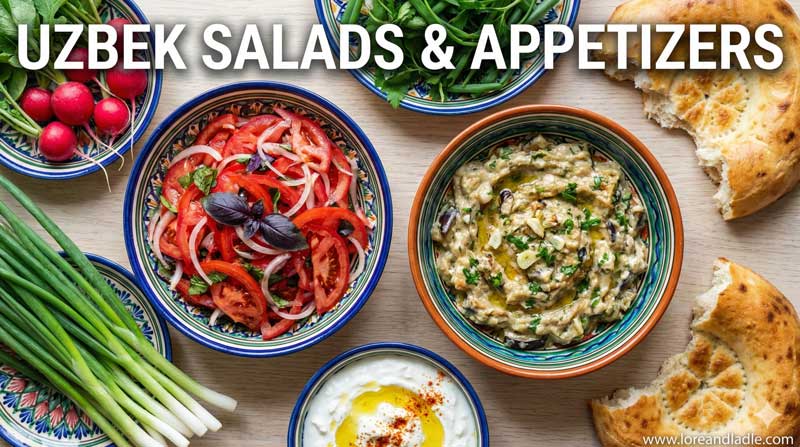
Uzbek salads brighten the table beside tandoor bread. A tomato-onion-cucumber salad brings freshness, acidity, and crunch. A carrot and herb salad offers sweetness offset by tangy dressing and dill or cilantro. Pickled vegetables add a vinegary snap that slices through rich, warm bread. Green salads with cucumbers, peppers, and fresh herbs balance the meal with color and aroma. Each salad is simple, yet its combination with non creates a harmony that defines Uzbek eating. Together, they form a complete starter course that prepares the palate for the bold Flavors in main dishes and the comforting bite of bread.
Regional Variations and Techniques
The way tandoor bread is shaped and seasoned reflects local textures and preferences. Some regions favor thicker rounds, others lean toward a thinner, crisper finish. Seeds such as sesame or cumin, or a light sprinkle of salt, can crown the surface, offering aromatic clues about a village or market. The pattern pressed into the dough’s surface carries local identity, and the dough itself may include small regional tweaks to water or flour. These subtleties matter: they connect bakers to their landscape and to seasonal cycles, enriching every bite with story and place.
A Festival of Flavor: Serving and Social Context
In Uzbek households, bread and salads are often shared during gatherings, tea breaks, and family meals. The moment of serving is a social ritual—placing the bread on a cloth, breaking it into pieces, and offering portions to guests with a smile. The interplay of warm bread, cool salads, and hot tea creates a rhythm of hospitality that makes meals feel ceremonial yet welcoming. The experience emphasizes balance: the bread’s comforting warmth, the salads’ bright acidity and herbaceous lift, and the tea’s soothing finish. This balance reflects a broader cultural focus on generosity, harmony, and mindful eating.
Cooking at Home: Tips to Capture Authentic Flavor
You can bring this experience into your own kitchen, even without a traditional tandoor. First, preheat a heavy oven to a high temperature, or use a robust pizza stone to mimic the searing heat. Second, prepare a simple dough with flour, water, salt, and a touch of yeast; let it rise, then shape it into a round disc. Third, press a light pattern into the surface and bake on a hot stone or directly on a preheated pan until the crust is blistered and the interior remains soft. Fourth, craft fresh salads with tomatoes, cucumbers, onions, and herbs; dress lightly so the bread remains the star. Finally, serve the bread hot with the salads on the side, inviting everyone to tear, dip, and share.
Final Reflections
This exploration of Best Recipes for Tandoor Bread – Uzbekistani Salads & Appetizers Flavor You’ll Love emphasizes cultural value and culinary significance. The tandoor bread is a living thread in Uzbek food culture, tying meals to tradition, craft, and hospitality. The salads that accompany it illuminate the region’s love of fresh produce, bright flavors, and balance. Together, they offer more than nourishment; they offer a doorway into daily life, seasonal rhythms, and a generous spirit. Whether you are sampling in a bustling kitchen or honoring a family tradition, this combination reveals how food can celebrate beauty, craft, and community with grace and simplicity.