
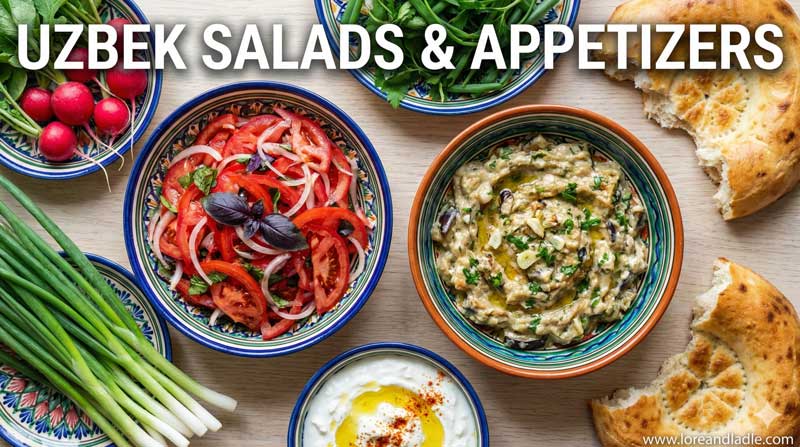
Must-Try Tandoor Bread – Uzbekistani Salads & Appetizers Flavor You’ll Love
This dish name opens a doorway to a warm, living cuisine. Uzbektandoor bread, baked in a clay oven, carries a quiet strength that mirrors the culture it comes from. Its presence at meals signals hospitality, care, and a moment to gather. The aroma of the bread lifting from the hot stone is a welcome that invites conversation, laughter, and shared bites. In Uzbekistan, bread is more than sustenance; it is a daily ritual that honors guests and family alike. The flavor sings with a subtle smokiness, a gentle sweetness from wheat, and a hint of salt that wakes the palate. This bread connects generations, passing from hands to hands, from kitchen to table, with every fold and tear.
The Heart of Uzbek Meals: Tandoor Bread in Daily Life
In many Uzbek homes, the tandoor oven stands as a cornerstone of daily life. The bread baked there travels from the oven with a warm glow, ready to accompany soups, salads, and savory appetizers. The bread’s round shape mirrors harmony and balance found in Central Asian dining rooms. It is often shared among friends and family in a single gathering. The practice of breaking bread together reinforces values of generosity and unity. Every bite carries a sense of place: a kitchen on a street corner, a neighborhood market, a family table where stories are told as easily as the bread is torn.
Crafting the Bread: Technique and Tradition
Making tandoor bread begins with simple dough—flour, water, salt, and sometimes a touch of yeast. The dough is worked with steady hands, allowed to rise, then shaped into rounds. The baker’s skill shows in the way the dough kisses the oven’s heat and clings to the inner walls, creating those signature blistered spots and a blistered crust. The oven’s high temperature cooks quickly, sealing moisture inside and forming a crisp exterior. The result is a bread that holds its softness, even as the crust carries a smoky depth. The technique travels across generations, taught by mentors and perfected through practice, keeping a quiet rhythm of tradition alive.
Cultural Value: Hospitality, Ritual, and Shared Meals
Bread in Uzbek culture carries a spiritual simplicity. It stands at the center of hospitality: a guest is offered a piece, and the host’s generosity is measured by how freely bread is shared. The act of offering, tearing, and dipping meals becomes a small ceremony that honors guests and friends. This reverence for bread translates into everyday life—families toiling together in kitchens, neighbors exchanging loaves, and communities celebrating harvests with tables full of warm rounds. The bread’s presence elevates ordinary meals into occasions of connection and warmth, reinforcing respect for craft, family history, and communal joy.
Flavor, Texture, and Pairings with Uzbek Salads & Appetizers
Tandoor bread offers a delicate balance of textures. The crust offers a satisfying crisp, while the interior stays soft and chewy. A touch of sesame seeds or nigella seeds can add a gentle aroma and a subtle nutty note. The bread shines when paired with fresh Uzbek salads—bright cucumber and tomato combinations, onion accents, and herbs that enliven the palate. It also pairs beautifully with yogurt-based sauces, tangy tomato relishes, or herb chutneys. Together, the bread and these accompaniments create a harmony of scent, texture, and brightness that defines the meal. Each bite invites you to slow down, savor, and savor again.
Regional Variations: From Samarkand to Tashkent
Across Uzbekistan, small differences shape the loaf. Some regions yield bread with a slightly thicker crust, while others favor a thinner, crisper edge. Seeds and toppings vary, offering a gentle variation in aroma and texture. In markets and bakeries, you may notice the bread bearing marks of the baker’s hand—each imprint a sign of care. Yet the shared thread remains intact: bread that invites sharing, comforts at Home, and travels well with many dishes. This regional diversity enriches the dish, highlighting local grains, climates, and practices while preserving a uniform sense of hospitality.
The Experience: Aroma, Color, and Serving Moments
The sensory experience is a key part of the dish’s charm. The moment the bread emerges, you breathe in smoky, toasty notes that promise warmth. The color—golden, blistered, and inviting—signals freshness and skill. Serving is simple: torn pieces passed around, with dips, salads, and small bites placed nearby. The social rhythm of passing, tasting, and commenting creates a rhythm of conversation that feels natural and welcoming. This is where culture and cuisine meet: in the shared bite, in the friendly exchange, in the small ritual that makes every meal memorable.
Tips for Home Bakers: Recreating the Essence
If you don’t have a tandoor, you can still capture the essence at home. Preheat a heavy baking stone or an inverted cast-iron skillet in a hot oven. Shape the dough quickly, then slide it onto the stone to bake at a high temperature. Steam from the oven helps create a crisper crust and softer interior, echoing the tandoor’s moisture and heat. Finish with a light brush of oil or a sprinkle of sesame seeds if you like. Pair the bread with simple salads and yogurt sauces to experience the full cultural flavor. With practice, you’ll recreate a warm, inviting loaf that honors tradition and delights the senses.
A Living Tradition in Every Bite
Must-Try Tandoor Bread – Uzbekistani Salads & Appetizers Flavor You’ll Love invites you to taste more than bread. It invites you to taste a culture of hospitality, family, and shared meals. The bread’s subtle complexity, its pairing versatility, and its everyday significance make it a meaningful centerpiece in Uzbek culinary heritage. Enjoy it as a warm greeting to your table, a bridge between courses, and a reminder of the joy found in good company and thoughtful cooking.