
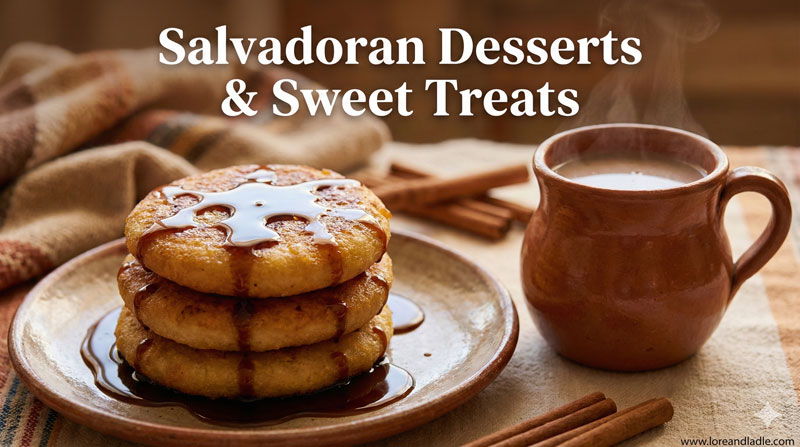
Bring a Taste of El Salvador to the Table with Salvadoran semita dulce sweet bread
Semita dulce is more than a pastry; it Is a warm invitation to gather, share, and celebrate everyday sweetness. In El Salvador, this soft, golden bread sits at the heart of many breakfasts and special moments. Its name—semita dulce—speaks to a gentle sweetness that feels like a hug in a crust. When you bite into it, you taste a tradition that values care, craft, and the simple joy of good company.
A Sweet Symbol at the Table
Semita dulce carries a quiet dignity. It arrives at the table in small, pillow-soft loaves that hold a comforting aroma. The bread’s sweetness is balanced, not overpowering, so it pairs beautifully with savory toppings or a cup of coffee. This balance makes semita dulce a versatile companion for morning rituals and mid-day treats alike. The bread invites conversation, encouraging you to slow down and enjoy the moment.
The Craft Behind the Dough
The heart of semita dulce lies in its enriched dough. Bakers blend flour with butter or a similar fat, milk, eggs, and a touch of sugar. Yeast brings the dough to life, while a note of vanilla, citrus zest, or a hint of anise may appear to brighten the aroma. The texture is key: a tender crumb that remains soft and slightly springy, with a delicate crumb that melts on the palate. A light glaze or a dusting of sugar on top adds a final touch of charm. Some bakers finish the loaf with sesame seeds, which offer a warm, nutty contrast to the sweetness.
The Bake: Technique and Texture
The baking process emphasizes even heat and patience. The dough rests to relax its gluten and to develop a soft, airy structure. When it bakes, the surface becomes a gentle golden color, signaling a perfect interior. The crust is tender rather than crisp, allowing the bread to yield with a small press of the finger. The aroma fills the kitchen, inviting everyone to gather near and anticipate the first slice. A well-made semita dulce remains moist inside, with a cloudlike interior that stays fresh for the day.
Flavor Profile and Pairings
Semita dulce offers a comforting sweetness with subtle depth. The richness from the dairy and fat carries a creamy note, while the egg adds a gentle, fudgy quality. If citrus zest is used, you’ll notice a bright, citrusy lift that keeps the sweetness from feeling heavy. Sesame adds a gentle warmth and a soft crunch at the crust. Pair it with coffee, milk, or hot chocolate for a classic experience. For a savory contrast, a light spread of cheese or a dollop of cream cheese can highlight the bread’s tenderness.
Serving Traditions and Everyday Joy
In Salvadoran homes, semita dulce often marks everyday moments and simple celebrations. People enjoy it as part of a hearty breakfast or as a snack with afternoon coffee. It travels well for a picnic or a family gathering, delivering a sense of home wherever it appears. The bread’s universal appeal lies in its balance: it satisfies without overwhelming, offering a comforting taste that can anchor a table and spark conversation.
Variations Across Homes
Every family adds a personal touch to semita dulce. Some recipes call for a whisper of cinnamon or vanilla for depth. Others incorporate citrus zest for brightness. Sesame seeds on top are a popular finish, adding a subtle crunch and a toasty aroma. Shaping varies as well. Some bakers form small rounds, while others create elongated loaves that slice cleanly for shareable pieces. These small differences—like a signature scent in a kitchen—demonstrate how a single bread can carry a family’s warmth and style.
Cultural Value: Craft, Care, and Community
Semita dulce embodies a culture of craft and care. Its making requires attention to dough handling, timing, and heat, yet the result is approachable and comforting. The bread invites participation—parents teaching children, friends sharing a bake, neighbors exchanging a loaf. This everyday culinary act builds a sense of belonging and shared delight. The bread’s presence in morning rituals and gatherings reinforces values of hospitality and generosity, reminding us that a simple loaf can bring people together with grace and ease.
Preservation and Fresh Enjoyment
To enjoy semita dulce at its best, store it in a cool, dry place or wrap it gently to preserve its softness. It remains fragrant for the day and can be refreshed by a short warm-up in the oven or toaster. If you bake extras, the bread freezes well and can be thawed for a quick, comforting bite later on. Proper storage helps the tenderness endure, so each slice feels like a fresh greeting when you share it again.
Why Semita Dulce Deserves a Place on Your Table
This sweet bread stands out for its balance, texture, and comforting aroma. It offers a quiet celebration of everyday life—the small acts of baking, sharing, and savoring a moment together. By inviting semita dulce to your table, you welcome a piece of Salvadoran culinary spirit: warm, thoughtful, and hospitable. It is a reminder that food can be a gentle bridge between meals and memories.
A Small Invitation, A Big Welcome
If you are looking to explore a new flavor with depth and charm, semita dulce welcomes you with soft sweetness and gracious presence. It pairs well with many traditions and settings, from a quiet morning at Home to a lively table with friends. The bread invites curiosity, invites conversation, and invites you to slow down—if only for a little while—and savor the beauty of a well-made bite.