
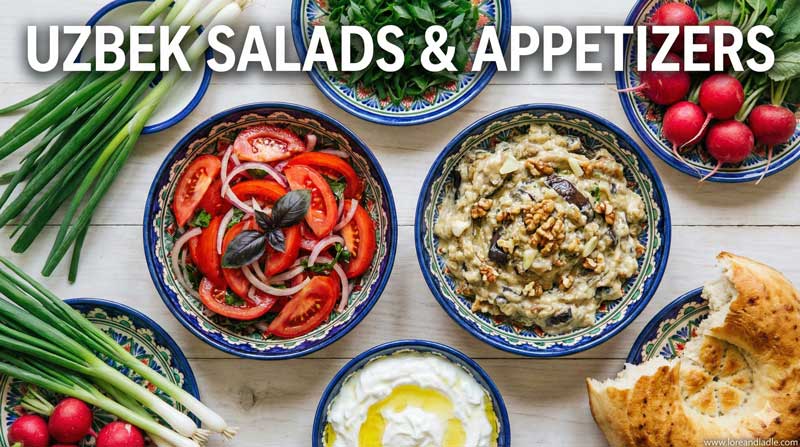
A Taste of Ganfan: Uzbekistani Vegetarian & Vegan Dishes Flavor You’ll Love
A Taste of Ganfan is a celebration of Uzbek flavors presented in a vegetarian and vegan form. It honors the land, the seasons, and the skilled hands that transform simple produce into a dish with soul. This dish invites you to explore the harmony between vegetables, grains, and aromatics. It shows how plant-based food can carry depth, warmth, and memory in every bite.
The Cultural Value at Uzbek Tables
In Uzbek kitchens, meals are more than sustenance. They are gatherings that honor family, neighbors, and tradition. A Taste of Ganfan fits this spirit by inviting shared enjoyment and mindful preparation. The dish reflects a long-standing Love for vegetables grown in gardens and markets. It also echoes the Uzbek talent for building complex flavors from humble ingredients. When families prepare this dish, they pass along techniques and tastes that help younger cooks understand balance, patience, and care in cooking. The result is a plate that feels familiar and welcoming, no matter the season.
Core Ingredients and Their Stories
- Vegetables: Carrots, peppers, onions, and tomatoes often form the bright backbone, offering sweetness, acidity, and texture.
- Legumes and grains: Chickpeas or lentils provide body, while rice or millet adds nourishment and a satisfying bite.
- Herbs and spices: Dill, cilantro, cumin, and coriander seeds lend warmth and brightness.
- Aromatics: Garlic and a touch of paprika or red pepper bring gentle heat without overpowering the dish.
- Fats and accents: A light drizzle of healthy oil and a sprinkle of sesame or seeds can highlight textures.
Each ingredient is chosen not only for flavor but for curve and color on the plate. The mix shows how Uzbek cooking blends earthiness with fresh herbaceous notes, creating a dish that feels both rustic and refined.
Techniques That Elevate Plant-Based Dishes
The magic of A Taste of Ganfan comes from simple techniques done well:
– Sautéing vegetables to unlock sweetness and deepen color.
– Layering flavors by adding herbs at different moments.
– Simmering to integrate spices and soften textures without losing brightness.
– Roasting or toasting spices briefly to awaken their aroma.
These steps bring a depth that plant-forward cuisine can offer, making the dish rich and satisfying while staying gentle on the palate.
Seasonal Patterns and Everyday Joy
Uzbek cooking thrives on seasonal abundance. In spring and summer, the dish glows with tender vegetables and fresh herbs. In autumn, fuller flavors emerge from roasted vegetables and heartier grains. A Taste of Ganfan adapts with the market’s bounty, inviting Home Cooks to swap ingredients while preserving the dish’s core balance. This flexibility keeps the recipe inviting for everyday meals and special gatherings alike.
Serving, Etiquette, and Shared Pleasure
Traditionally, Uzbek meals emphasize hospitality. Serve A Taste of Ganfan in generous portions and pair it with warm bread, a crisp salad, and a dollop of dairy-free yogurt or cultured dairy alternative for those who enjoy it. A simple tea or fruit drink can accompany the dish, enhancing the sense of conviviality. The experience is about savoring each bite slowly, appreciating the textures, colors, and aroma, and sharing the moment with others.
A Gateway to Uzbek Culinary Language
This dish introduces eaters to the sensibilities of Uzbek cooking: freshness, subtle spice, and a balance of soft and crisp textures. It invites both beginners and seasoned cooks to explore how plant-based ingredients can express regional identity. By focusing on vegetables, grains, and herbs, A Taste of Ganfan becomes a bridge to a broader appreciation of Central Asian flavors and cooking styles.
Final Thoughts: Why You’ll Love This Dish
A Taste of Ganfan carries cultural value through its emphasis on community, seasonal ingredients, and thoughtful technique. It showcases how vegetarian and vegan dishes can be deeply comforting and culturally expressive. The dish invites curiosity, respect, and joy in cooking—an enduring invitation to savor Uzbek flavors in a modern, plant-forward form. If you seek a dish that blends tradition with fresh, humane ingredients, this is a flavorful place to begin.