
A Taste of Ganfan – Uzbekistani Soups & Stews Flavor You’ll Love
Ganfan is more than a dish. It Is a window into Uzbek warmth. In a single pot, cooks blend meat, vegetables, and grain into a harmonized broth. The aroma tells a story of markets, family kitchens, and shared tables. This is a dish you savor slowly, with the people who matter. Through every bite, you feel the rhythm of Uzbek life — patient, generous, and grounded in good company.
The Heart Behind the Bowl: Cultural Value of Ganfan
In Uzbek culture, hospitality centers every meal. A shared bowl invites conversation and time together. Ganfan appears during family gatherings, after a long day, or on special weekends. The act of ladling from a pot to many bowls is a simple ritual that builds bonds. The broth carries the warmth of home. Fresh herbs finish the dish at the table, brightening flavors and signaling gratitude. This is not just nourishment; it is a bridge between cooks and guests, a scene where stories rise with steam and smiles widen with every passing bowl.
Core Ingredients and Techniques That Define Ganfan
Ganfan relies on a few sturdy ingredients: tender meat, root vegetables, and a comforting broth. Common choices include lamb or beef, potatoes, carrots, onions, and sometimes chickpeas. Spices like cumin and coriander carry earth notes, while garlic and fresh dill lift the aroma. The dish often uses barley or rice for texture. The technique is patient simmering: brown the meat for depth, then add vegetables, and keep a steady simmer until everything is tender. The result is a clear, nourishing broth with robust heartiness. Each step builds layers of flavor, and each layer honors the craft of slow cooking.
The Texture and Color That Define Its Appeal
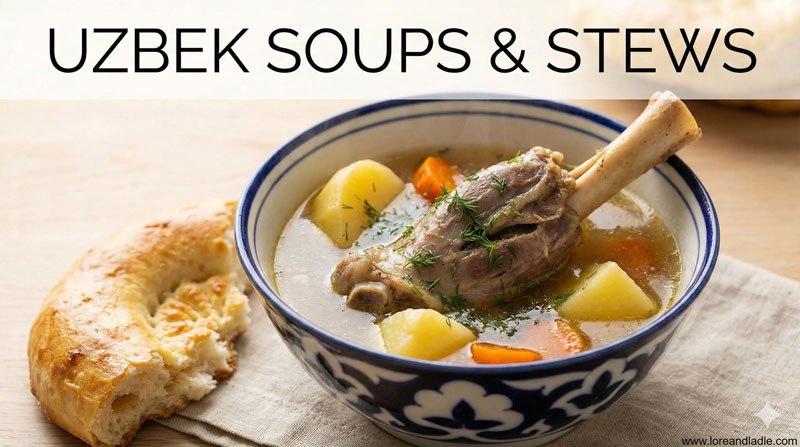
Ganfan presents a warm, inviting color palette. The broth gleams softly, colored by tomatoes or peppers and enriched by meat juices. Chunky pieces of potato and carrot contrast with tender meat. Fresh herbs light up the surface with green specks of dill or parsley. The texture is comforting: silky broth, yielding vegetables, and satisfying bites of meat. The balance of savoriness, sweetness from vegetables, and bright herb notes creates a rounded, memorable mouthfeel.
Bread, Tea, and the Ritual of Serving
No Uzbek meal is complete without bread and tea. A round, soft non accompanies Ganfan. Tear a piece and dip into the broth to savor every drop. Tea follows, served in small cups to pace the meal. The table becomes a stage for conversation, stories, and shared laughter. This ritual emphasizes generosity and respect for the cook and guests alike. The simple act of breaking bread together adds a subtle sweetness to the experience of the dish.
Regional Variations and Seasonal Notes
Across Uzbekistan, Ganfan adapts with the season and local ingredients. In one region, extra peppers give a gentle tang and color. In another, barley adds a nutty texture that pleases the palate. Some cooks add tomatoes for brightness; others rely on a tomato-free broth to highlight the meat’s flavor. These variations celebrate local farms and harvests while keeping the core spirit intact: a communal pot that welcomes diverse tastes. The result is a dish that feels both familiar and gently adventurous, depending on the market’s offerings.
Ganfan Beyond the Home: Everyday Comfort and Special Occasions
Ganfan shines in daily meals and in gatherings when family and friends come together. It suits a Sunday kitchen with a bustling stove, a cozy winter evening, or a bright spring table when the first greens appear. The dish is both comforting and celebratory, capable of brightening a quiet afternoon and enriching a lively feast. In every setting, Ganfan invites participants to slow down, share, and appreciate the care that goes into preparing a meal for loved ones.
Culinary Significance in Uzbek Food Culture
Ganfan embodies core Uzbek cooking values: balance, patience, and generosity. It is a dish built on technique and memory, encouraging cooks to layer flavors, maintain a gentle simmer, and honor ingredients. It teaches how a single pot can sustain many voices at the table. The dish blends meat, vegetables, and grains into a harmonious whole, mirroring the care shown to family and guests. In this way, Ganfan is not only a recipe but a cultural practice — a reminder that cooking is an act of welcome, nourishment, and shared joy.
A Conclusion: The Timeless Appeal of Ganfan
Tasting Ganfan is like reading a vivid chapter of Uzbek life. The flavors are grounded in land, season, and the people who tend them. The dish offers nourishment, connection, and beauty. For cooks and diners alike, Ganfan reveals how food can celebrate craft, invite curiosity, and honor tradition. It invites you to slow down, breathe in the aroma, and share a meaningful meal with others. In every pot, Ganfan keeps alive a heritage of hospitality and the joy of communal eating.