
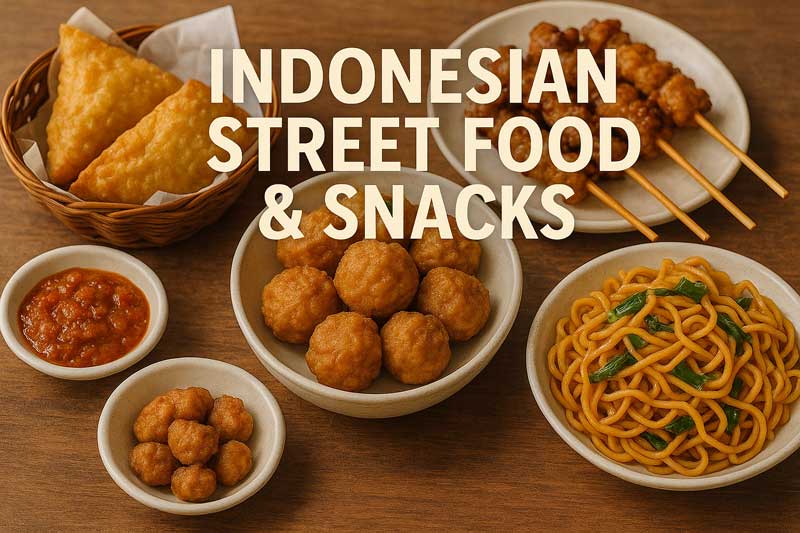
Introduction: A flavorful bridge to Indonesian cuisine
Tempeh Satay and Other Restaurant-style Indonesian Dishes Loved in America offer a welcoming entry to a vibrant culinary world. This post celebrates cultural value and culinary significance without politics or distance. The dishes invite long, slow smiles at the table, where shared plates become conversations. Tempeh Satay shines with plant-based freshness, while other Indonesian favorites show a balance of aroma, texture, and bright flavors. Together, they enrich the dining scene with color, technique, and care.
Tempeh Satay: Craft, texture, and flame
First, tempeh satay speaks with a crisp, caramelized edge and a tender heart. The marinating stage invites soy-pearled tempeh to drink in garlic, ginger, and a whisper of kecap manis. Then skewers go to the grill, where smoke and heat wake nutty notes and a gentle chew. The result feels both simple and refined, suitable for everyday meals and special gatherings alike. The peanut sauce anchors the dish with depth: roasted peanuts mingling with coconut milk, chili, lime, and a touch of palm sugar. This sauce is more than a dip; it is a memory of communal meals and careful technique.
Culinary significance: Plant-based deliciousness that travels well
Next, the dish demonstrates how plant-based ingredients can carry bold personality. Tempeh brings protein, depth, and a nutty fragrance without overpowering the palate. In American restaurant settings, tempeh satay offers a satisfying alternative to meat skewers, inviting vegetarians and curious diners to explore Indonesian flavors with confidence. The balance of sweet, salty, and savory notes creates a versatile profile that pairs well with vegetables, rice, or noodles. The method—marinade, grill, sauce—is approachable yet expressive, making it a gateway to a broader Indonesian pantry.
Other restaurant-style Indonesian dishes loved in America: Variety and grace
Additionally, several dishes stand out in eateries and home kitchens alike. Nasi goreng, a fragrant fried rice, showcases caramelized onions, garlic, and a kiss of sweet soy. Gado-gado blends vegetables with a creamy peanut sauce, celebrating color, crunch, and harmony. Rendang offers slow-cooked richness with a complex perfume of spices, while mie goreng presents a comforting, savory noodle dish with crisp edges. Each dish carries a distinct personality, yet all honor balance—hot, sweet, sour, and fragrant notes working together. In American dining rooms, these flavors read as both exotic and approachable, inviting guests to savor a story told through steam, sizzling pans, and bright sauces.
Shared techniques and ingredients: Craft that travels well
Moreover, Indonesian dishes in America rely on accessible building blocks. Peanut sauce appears repeatedly, offering a creamy, crunchy texture and a familiar richness. Kecap manis adds a gentle sweetness that prevents heat from overpowering the dish. Fresh herbs like lemongrass, kaffir lime leaves, and lime zest brighten sauces and stocks. Coconut milk softens spice and adds a silky mouthfeel. The use of chilies is thoughtful, providing warmth without overwhelming the dish. These elements travel well to restaurants across the country, maintaining their charm even when served in modern, contemporary kitchens.
Cultural value: Hospitality, sharing, and culinary craft
Furthermore, these dishes embody hospitality and careful craft. They bring people together around a table, inviting conversation and discovery. The presentation—colorful skewers, vibrant sauces, and artful plating—speaks to a culture that values generosity and attention to detail. Home cooks and chefs alike learn from this tradition: select ingredients with care, respect the season, and balance texture and aroma. The result is food that feels inviting, comforting, and inspiring. In American dining spaces, Indonesian flavors offer a new menu of textures to explore, from crisp and smoky to soft and creamy.
The role of texture, aroma, and color in dining experiences
Additionally, texture matters as much as taste. The crackle of tempeh, the silkiness of peanut sauce, the chew of noodles or vegetables, and the freshness of herbs all contribute to a memorable bite. Aroma guides the senses before the first bite, with lemongrass, garlic, turmeric, and chili guiding expectations. Color adds appetite and joy, turning a plate into a small landscape of warmth and brightness. These sensory elements help Indonesian-inspired dishes fit gracefully into American dining, whether in casual restaurants or refined eateries.
Conclusion: A lasting, delicious liaison
Finally, Tempeh Satay and Other Restaurant-style Indonesian Dishes Loved in America celebrate flavor, technique, and cultural storytelling through food. They show how Indonesian cuisine can be both rooted in tradition and flexible enough to shine in diverse dining scenes. The dishes invite cooks to experiment with ingredients, to respect balance, and to share every delicious bite with friends and family. In this way, they remain a bright, ongoing chapter in the story of global cuisine—welcoming, delicious, and endlessly readable on the plate.