
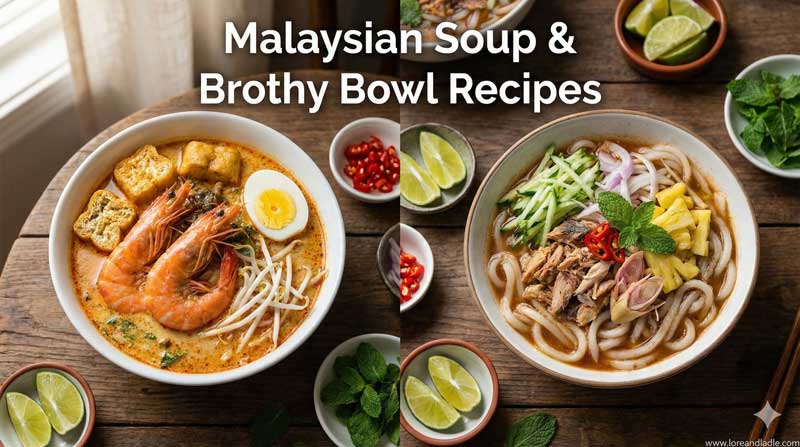
Step-by-Step Seafood Tom Yum-Inspired Soup for First-Time Malaysian Home Cooks
This dish brings bright coastal flavors into the heart of a Malaysian kitchen. It invites beginners to explore a vibrant, comforting soup. The name promises guidance, respect for ingredients, and a gentle path to confidence in the pot.
Cultural Value: A Bridge Between Fresh Markets and Home Tables
In Malaysian homes, soups carry the memory of family meals and daily gatherings. Fresh seafood from nearby markets becomes the star, while herbs from the garden or market stall bring scent and color. This Tom Yum-inspired soup embodies that everyday magic: a simple pot, bright aromatics, and a sense of place. Cooks learn to read the market’s rhythm—what is in season, what is flavorful today—and to translate that into a nourishing bowl. The dish also celebrates sharing. A warm soup invites voices, stories, and mutual tasting. In this way, the dish serves as a cultural touchstone: a reminder that kitchen moments connect people, tradition, and place.
Culinary Significance: Flavor Balance and Gentle Technique
Tom Yum-inspired soups treasure balance. The sour note often comes from lime juice or a touch of tangy fruit; the heat arises from fresh chilies; the savory depth from fish sauce or a light stock; and a hint of sweetness from the natural sweetness of seafood and aromatics. The beauty lies in layering these flavors without overwhelming the palate. Technique matters here: aromatics are heated to release essential oils, then simmered to perfume the broth. Seafood is added at the right moment so it stays tender and fragrant. Beginners can feel progress with each step: the broth grows clearer, the aroma brightens, and the taste harmonizes. This approach teaches careful heat control, mindful timing, and respect for ingredients.
Ingredients as Cultural Signals: Freshness, Local Pride, and Adaptation
Key ingredients tell a story of coastal life and Malaysian pantry flexibility. Lemongrass, galangal, and kaffir lime leaves power the fragrance base. Fresh chilies provide warmth, while garlic and shallots add depth. Fish sauce brings a savory backbone, and lime balances brightness. Seafood—such as shrimp, pieces of fish, or squid—offers texture and sweetness. Vegetables like mushrooms or tomatoes can appear, depending on the cook’s pantry. The dish invites adaptation, honoring local tastes while preserving a shared flavor philosophy: clear broth, vivid aroma, and a clean finish. That openness reflects a culture that treasures fresh ideas as much as time-honored methods.
Step-by-Step Journey: A Guided Path for Beginners
- First, prepare the aromatics: slice shallots, garlic, and lemongrass.
- Next, heat a pot and briefly bloom the aromatics in a little oil.
- Then add a simple broth or water, and bring it to a gentle simmer.
- Add lime leaves or a small amount of lime zest to perfume the soup.
- Introduce seafood gradually, timing it so the flesh stays tender.
- Balance the flavors with lime juice and fish sauce, tasting along the way.
- Finish with fresh herbs or a final squeeze of lime.
This sequence teaches patience, rhythm, and the joy of tasting as you go. It also shows how a single pot can carry a family’s welcome.
Serving Tradition: A Moment to Share
Serving this soup becomes a small ceremony of hospitality. A bright bowl, a moments-long aroma, and a chorus of happy murmurs as spoons circle the table. Fresh herbs sprinkled on top invite a visual and fragrant finish. Pairing it with plain rice or a side of greens keeps the focus on the soup’s clarity and balance. The act of sharing reinforces community, reminding us that food is a daily gift that connects cooks to their neighborhood, markets, and loved ones.
Conclusion: A Dish that Honors Craft and Culture
Step-by-Step Seafood Tom Yum-Inspired Soup for First-Time Malaysian Home Cooks opens a door to confident cooking through a respectful, flavorful experience. It honors fresh ingredients, teaches balanced flavors, and invites heart-led sharing. For a beginner, it is not just a recipe but a doorway into a living culinary tradition—one pot, many stories, and a enduring love for good soup.