
Welcome to a Taste of Taiwan
Introducing the dish Top 10 Classic Taiwanese Main Dishes Recipes That Bring Taiwan’s Flavors to Your Kitchen invites readers to explore a curated map of Taiwan’s Home Cooking. This collection highlights how everyday meals carry culture, craft, and care. Each dish embodies warmth, technique, and a sense of place that homes and markets have nurtured for generations. With every bite, you can sense the balance of textures, aromas, and familiar tastes that define Taiwan’s culinary language.
The Top 10 Dishes at a Glance
- Beef Noodle Soup (Niu Rou Mian): A comforting, sunlit bowl that blends rich broth with tender meat and springy noodles.
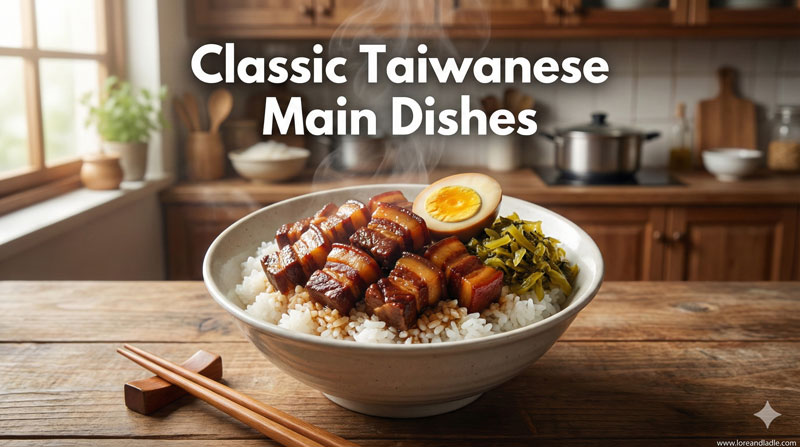
- Lu Rou Fan (Braised Pork over Rice): A fragrant, slow braise that coats rice in savory-sweet gravy.
- Three-Cup Chicken (Sanbeiji): A fragrant wok dish where sesame oil, soy, and rice wine mingle with aromatic herbs.
- Oyster Omelette (O-A-Jian): A savory pancake-like combo of eggs, starch, and plump oysters, finished with a glossy sauce.
- Gua Bao (Taiwanese Pork Belly Buns): A silky filling in a folded steamed bun with crunchy toppings for contrast.
- Taiwanese Fried Chicken (Yan Su Ji): Crispy, seasoned bites that showcase the joy of street-side cooking.
- Sweet and Sour Pork (Gu Lao Rou): A bright, tangy harmony of pork, pineapple, and peppers.
- Mei Cai Kou Rou (Braised Pork with Preserved Vegetables): Pork melded with pickled greens for depth and contrast.
- Three-Cup Tofu (Sanbeiyu Dofu): A tofu champion; tofu soaks up a trio of flavors with a comforting bite.
- Braised Eggs (Lu Dan): Soft, glossy eggs enriched by braising with soy and aromatics, often shared with other dishes.
The Cultural Value of Taiwan’s Main Dishes
Taiwanese main dishes carry more than taste; they carry memory. Each recipe connects family gatherings, seasonal markets, and neighborhood eateries. The dishes reflect a careful balance of sweetness, salt, and umami that mirrors Taiwan’s agricultural cycles and pantry traditions. Home kitchens, steam-filled windows, and busy night markets all contribute to a living culinary culture. Cooking and sharing these dishes reinforces hospitality, respect for ingredients, and the joy of communal meals.
Culinary Significance and Techniques
These classics showcase a spectrum of techniques that define Taiwan’s cooking: braising to deepen flavor, simmering to marry herbs, and quick wok fever that preserves brightness. The Three-Cup method uses equal parts sesame oil, soy sauce, and rice wine to crown aromatics. Oyster Omelette relies on a light batter and starch to create a crispy edge and tender center. Gua Bao relies on a soft steamed bun and a contrastive crunch from toppings. Each technique is practical, accessible, and rooted in everyday cooking.
Flavor Profiles that Tell a Story
- Rich and comforting broths in Beef Noodle Soup speak to family warmth.
- Deep, glossy sauces in Lu Rou Fan reveal home-slowed patience.
- Aromatic herbs and simmered proteins in Sanbeiji tell of kitchen balance.
- Fresh seafood and a savory glaze in Oyster Omelette celebrate sea-to-table flavors.
- The crisp, fried finish of Yan Su Ji captures street-food charm with home-friendly spice.
These profiles are not just recipes; they are conversations about place, season, and the care that goes into preparing a meal for someone you love.
How to Bring Taiwan’s Flavors to Your Kitchen
- Start with core pantry staples: soy sauce, rice wine, sesame oil, and a good stock. They unlock many flavors with minimal effort.
- Embrace technique over complexity. A well-timed stir-fry or proper braise makes the dish sing.
- Use fresh, local produce to echo Taiwan’s seasonal approach. Pick herbs and vegetables that align with the dish’s sweet-salty balance.
- Adapt heat and salt to your taste. These dishes are forgiving and rewarding to customize.
- Build a small menu around the top ten. A weekly rotation keeps flavors fresh and interesting.
A Gentle Invitation to Explore
This collection invites curious cooks to approach Taiwanese cuisine with curiosity and respect. Each Dish Is approachable, yet rich with cultural significance. With simple steps, you can recreate the warmth of a Taiwanese table and savor the beauty of its flavors in your own kitchen.
Final Thoughts
Top 10 Classic Taiwanese Main Dishes Recipes That Bring Taiwan’s Flavors to Your Kitchen is more than a list. It’s a doorway to everyday culture—where family, markets, and home chefs meet in a shared love of good food. By exploring these dishes, you celebrate Taiwan’s culinary spirit in a way that is welcoming, balanced, and deeply human. Enjoy the journey, one plate at a time.