
Introduction
Welcome to a flavorful journey through Taiwan’s beloved main dishes. This guide centers on the cultural value and culinary significance of classic Taiwanese flavors. The collection behind the title “Top 15 Classic Taiwanese Main Dishes Recipes for New Home Cooks in the U.S.” invites you to explore warmth, balance, and technique. Each dish reflects how simple ingredients can become meaningful meals shared with family and friends. The tone here is welcoming and respectful, focusing on texture, aroma, and tradition.
Beef Noodle Soup
Beef Noodle Soup is a comforting emblem of Taiwanese home cooking. Its broth gathers slow-simmered bones, soy, aromatics, and a hint of star anise for depth. Tender beef, springy noodles, and bright greens make every bowl feel complete. Culturally, this dish celebrates patience and skill, revealing how careful simmering can transform humble ingredients into a heartwarming meal. For new home cooks in the U.S., a well-made beef broth is achievable with a simple pot and a few spices, turning weeknights into a restaurant-worthy ritual.
Lu Rou Fan (Braised Pork Over Rice)
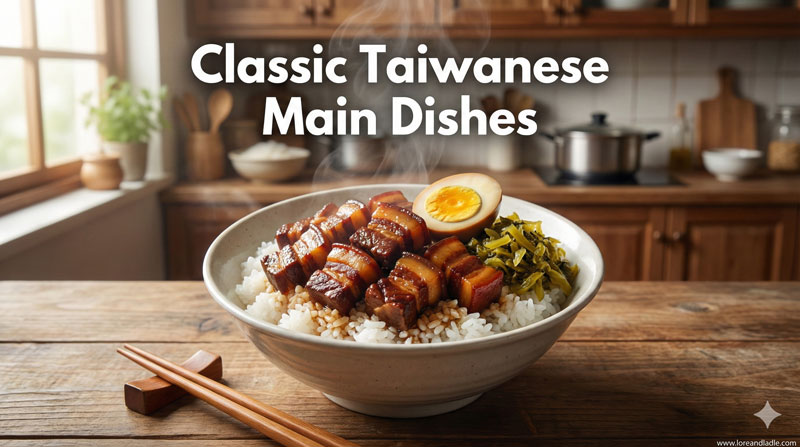
Lu Rou Fan is a pantry-friendly favorite. Small pork pieces braise in a glossy mix of soy, sugar, and aromatics until they melt into the rice below. The dish’s aroma and caramel color tell a story of family dinners and kitchen care. Its significance lies in its balance: savory meat, sweet undertones, and the simplicity of one-pot braising. For newcomers, this dish teaches how slow, gentle braising builds flavor and how a couple of pantry staples can become a satisfying meal.
Three-Cup Chicken
Three-Cup Chicken centers on a fragrant trio: sesame oil, soy sauce, and rice wine. Garlic and ginger bloom in a clay pot as the chicken braises. Fresh basil finishes the dish and lifts the sauce. The result is a dish that feels both rustic and elegant, a staple at gatherings and a reminder that fragrance matters in cooking. For U.S. kitchens, the recipe adapts well to a standard skillet; the key is balancing the three “cups” to taste and letting the sauce glaze the chicken with care.
Oyster Omelette
The Oyster Omelette blends briny seafood with eggs and a tiny starch to create a unique texture—slightly crispy edges with a soft center. It’s a coastal favorite that reflects Taiwan’s seafood bounty and nimble street cooking. The omelette’s sauce adds sweetness and tang, making it bright and satisfying. For new cooks, it’s a friendly way to practice quick pan work and to appreciate how texture and umami work together.
Gua Bao (Taiwanese Pork Belly Bun)
Gua Bao showcases a fluffy steamed bun cradling braised pork, pickled greens, and a touch of crushed peanut. This street-food-inspired sandwich has deep roots in home cooking too, where family cooks adapt fillings to taste. It celebrates layering flavors and contrasts—tender meat, crisp pickles, and soft bread. In a U.S. kitchen, you can prepare a simpler version with ready-made buns and a quick braise, keeping the technique intact while enjoying the comforting result.
Stinky Tofu
Stinky Tofu is a signature night-market memory for many Taiwanese. It’s usually deep-fried and served with a tangy, piquant dipping sauce and pickled vegetables. The dish teaches restraint and daring at the same time: the aroma invites curiosity, while the crisp exterior invites tasting. For beginners, choosing a milder presentation and frying at a safe, controlled temperature helps you appreciate the texture and the balance between crispness and softness inside.
Salt and Pepper Chicken
Salt and Pepper Chicken offers bold, crunchy bites seasoned with five-spice, white pepper, and fresh herbs. Often plated with basil, it’s a crowd-pleasing entry into Taiwanese frying techniques. The dish highlights how a simple coating and quick fry can transform chicken into a festive main. For new cooks, it’s a practical exercise in tempura-like frying, seasoning, and achieving a savory crust without overpowering the meat.
Oyster Vermicelli (Oyster Noodles)
Oyster Vermicelli pairs small oysters with delicate noodles in a savory broth. This dish reflects Taiwan’s coastal flavors and the importance of seafood in everyday meals. The broth’s umami comes from the oysters and simmered stock, delivering a comforting bowl that’s easy to adapt with pantry ingredients. For beginners, you’ll learn to balance sweetness, salt, and seafood notes while keeping the texture light and satisfying.
Dan Bing (Taiwanese Egg Pancake)
Dan Bing is a versatile breakfast-to-meal staple: a crisp-edged pancake folded around eggs, scallions, and optional fillings. Its simple technique—pouring batter, flipping, and finishing with a gentle fold—rewards precision and patience. Culturally, Dan Bing embodies the start-of-day warmth and cheerful common meals. For home cooks in the U.S., it’s a friendly project that yields a flexible base for many fillings.
Sweet and Sour Pork
Sweet and Sour Pork is a bright, balanced dish with a tangy sauce that mingles sweet, sour, and savory notes. The pork is often battered and fried before simmering in the glossy sauce, creating a texture contrast that’s widely loved. This dish showcases how flavor harmony can be achieved with accessible ingredients. For new cooks, it offers a practical path to mastering batter, frying, and sauce balancing without needing complex tools.
Braised Tofu with Mushrooms
Braised Tofu with Mushrooms makes a comforting vegetarian or lighter-meat main. Tofu soaks up rich soy and aromatics, while mushrooms contribute earthiness and depth. This dish honors balance, a core value in Taiwanese cooking. It teaches How to layer flavors and how vegetable-forward meals can still feel substantial and satisfying—an important lesson for cooks seeking flexible, affordable meals.
Clay Pot Rice (Taiwanese Style)
Clay Pot Rice cooks slowly in a heavy pot, creating a fragrant caramelized crust on the bottom. This crust—called the “socarrat” of Taiwanese cooking—provides texture and aroma that elevate the dish. Typically served with tender chicken and vegetables, it’s ideal for family-style meals and gatherings. For new home cooks, the clay pot method teaches patience and heat control, plus the joy of a shared, hearty dish.
Taiwanese Fried Rice with Pork and Eggs
Taiwanese Fried Rice blends diced pork, eggs, and scallions for a quick, savory meal. It celebrates leftovers and pantry ingredients turned into something comforting and complete. The key is wok heat and fast tossing to keep each ingredient distinct yet harmonious. This Dish Is a practical entry point for beginners and a reminder that flavor can come together quickly with the right technique.
Bitter Melon with Pork
Bitter Melon with Pork pairs the bright bite of bitter melon with savory pork for a lively contrast. The bitterness is tamed by the pork’s richness and a balanced seasoning, making the dish both refreshing and comforting. This dish highlights how Taiwanese cooks use vegetables to balance flavors and add nutritional variety. For new cooks in the U.S., it offers a light, clean option that still delivers depth and satisfaction.
Conclusion
These Top 15 Classic Taiwanese Main Dishes reveal a cuisine built on balance, technique, and warmth. Each dish offers a window into Taiwan’s home kitchens, where family meals foster community and flavor. As you cook in your own kitchen in the U.S., you’ll discover that these recipes are not just steps in a cookbook. They are ways to honor heritage, enjoy thoughtful preparation, and share delicious moments with loved ones. Whether you’re testing a noodles broth or perfecting a braise, you’re participating in a long tradition of care, curiosity, and celebration through food.