
Introduction
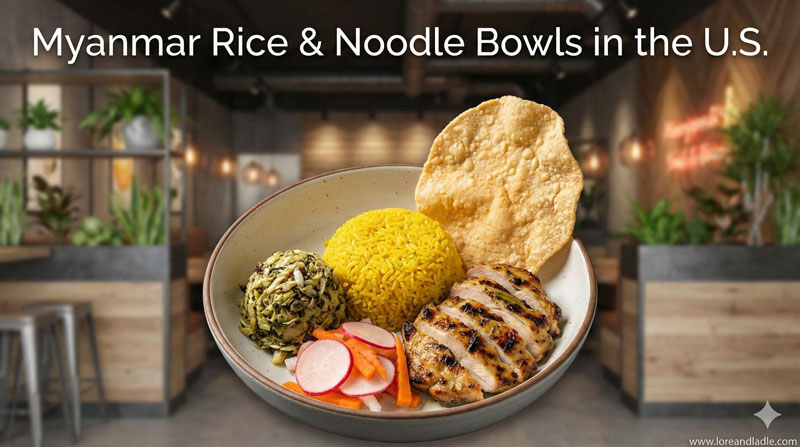
Myanmar bowls invite the senses to a gentle celebration of color, aroma, and balance. in the United States, these bowls become welcoming bridges between home flavors and new textures. Each spoonful reveals a careful harmony of noodles or rice, smoky broth, fresh herbs, and a touch of fermentation or citrus. For first-time Myanmar food fans, these bowls offer a friendly way to taste a culture known for warmth, hospitality, and a reverence for shared meals. This post highlights the cultural value and culinary significance of Top 15 Myanmar Rice & Noodle Bowls you can explore in the U.S.
What makes Myanmar bowls culturally rich
Myanmar bowls tell stories of everyday life. They often start with a base of rice noodles or steamed rice, then layer in savory broths, tangy lime, garlic oil, and a chorus of toppings. Fresh herbs, crunchy beans, sesame seeds, and sometimes a hint of ngapi (fermented fish paste) or chili create a delicate interplay of flavors. Techniques travel from village markets to city kitchens, producing bowls that feel both comforting and bright. In these bowls, care for texture—slippery noodles, tender meat, crisp toppings—speaks to a beloved dining approach: eat with heart, eat together, savor balance.
The top bowls and what they reveal about Myanmar cooking
Below is a curated list of 15 bowls you’re likely to encounter in Myanmar-inspired spots across the U.S. Each item emphasizes the restaurant-drawn beauty of the dish and its cultural meaning.
Top 15 Myanmar Rice & Noodle Bowls in the U.S. for First-Time Myanmar Food Fans
1) Mohinga Bowl
A classic fish-noodle soup. The broth carries lemongrass, garlic, and a citrus brightness that opens the day for many in Myanmar. It shows how broth can be comforting, deeply flavorful, and elegant in its simplicity.
2) Ohn No Kauk Swe Bowl
A coconut-chicken noodle soup with chickpea noodles. The creamy broth frames bright notes of lime and coriander. This bowl embodies how coconut milk can enrich a savory noodle dish without heaviness.
3) Nan Gyi Thoke Bowl
Thick rice noodles crowned with a tangy meat sauce, sliced egg, tomato, and sesame seeds. It’s a colorful, textural reminder that dry-style noodle bowls can be deeply satisfying and balanced.
4) Meeshay Bowl
Rice noodles with a savory meat sauce, herbs, and crisp toppings. Meeshay highlights the art of layering flavors and textures to create a complete, satisfying meal in one bowl.
5) Meeshay Thoke Bowl
A drier, topping-forward version of Meeshay. The emphasis shifts to fresh herbs and crispy elements, showcasing how a single dish can offer two distinct experiences.
6) Kaukswe Bowl
Coconut-chicken noodle soup served with chickpea noodles, often finished with lime and chili. Kaukswe demonstrates how Burma’s use of coconut milk can brighten and unify flavors, even in a noodle-focused dish.
7) Shan Noodle Bowl
Shan-style noodles in a fragrant broth or with a vibrant sauce and toppings. This bowl reveals the regional diversity within Myanmar, where different styles of noodles and seasonings tell different mini-stories.
8) Nga Htamin Bowl
Rice with fish, sometimes garnished with fresh herbs and sesame. Nga Htamin celebrates the simple, nourishing harmony of good rice and well-seasoned fish.
9) Nga Htamin with Greens Bowl
A fresh take on Nga Htamin that adds greens and crisp aromatics. It shows how color and greens contribute to a well-rounded, refreshing bowl.
10) Chicken Curry with Rice Bowl
A comforting curry served over steamed rice. Burmese curries highlight aromatic spices and slow, gentle simmering, turning a meal into a warm, homey experience.
11) Beef Curry with Rice Bowl
A rich, slowly braised beef curry paired with rice. This bowl speaks to patience in cooking and the joy of letting flavors deepen together.
12) Prawn Curry with Rice Bowl
A lighter seafood option where the curry notes dance with the sweetness of shrimp. It demonstrates how Burma’s curry traditions embrace seafood with care.
13) Fish Noodle Bowl with Citrus
Noodles in a bright, citrus-kissed fish broth. The dish celebrates how acidity and fish can lift a noodle bowl into a fresh, uplifting experience.
14) Tofu-Meatless Meeshay Bowl
A vegetarian-friendly Meeshay that centers tofu and mushrooms. It highlights how Myanmar cooking adapts to different diets while preserving depth of flavor.
15) Garden Herb Noodle Bowl
A noodle bowl that leans on fresh herbs, lime, and crisp vegetables. This option shows the importance of herb-forward brightness in Myanmar bowls.
How to savor these bowls with cultural appreciation
- Observe the color and aroma as a first welcome.
- Notice the balance of salty, sour, and fresh notes.
- Taste textures: noodle or rice foundation, tender protein, crisp toppings.
- Share a bowl with friends or family to invite conversation and curiosity.
- Ask for a brief explanation of ingredients if you’re curious; most cooks enjoy sharing.
A few practical tips for first-timers
- Start with Mohinga or Nan Gyi Thoke for a classic introduction.
- Try a coconut-chicken option like Kaukswe to feel how coconut milk softens and rounds flavors.
- Choose a curry-with-rice bowl for heartier comfort and a sense of home-cooked style.
- Pair a noodle bowl with a fresh herb or lime boost to brighten the plate.
Conclusion
Myanmar rice and noodle bowls offer a warm invitation to a culture where care in every bowl reflects a tradition of sharing, balance, and hospitality. In the U.S., these bowls connect diners with flavors that are tender, lively, and nourishing. Whether you arrive through a classic Mohinga or a bright Shan Noodle Bowl, you’ll find a place where food speaks softly of home, craft, and community. Enjoy the journey, one flavorful spoonful at a time.